
What it does
Sulfur is built into protein alongside nitrogen: two of the building blocks the plant strings together into protein carry sulfur. As a rough guide, a cereal takes up about one part sulfur for every ten to fifteen parts nitrogen. Canola takes up far more: nearer one part sulfur for every six parts nitrogen. Short of sulfur, the plant can’t finish the nitrogen it’s taken up. The nitrogen piles up unbuilt: the same backed-up assembly line Steve talks about with nitrogen.
Sulfur is also the bite in onions and garlic and the heat in mustard and the other brassicas, and canola needs plenty of it to set a full crop of seed.
Nitrogen, in a building block. Sulfur.
-
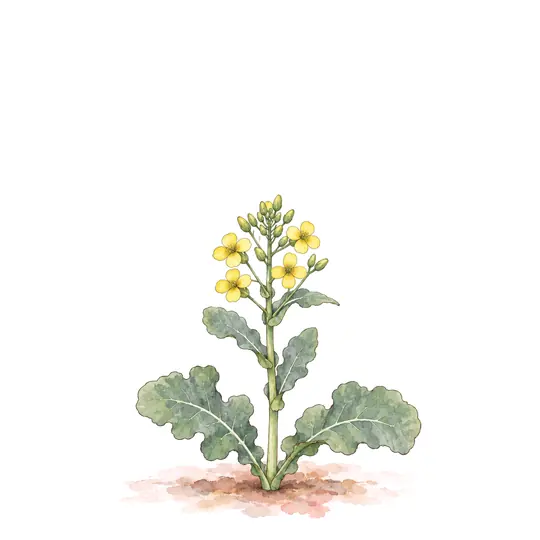
Enough sulfur
the chain finished
every link built, and the young leaves stay green
-
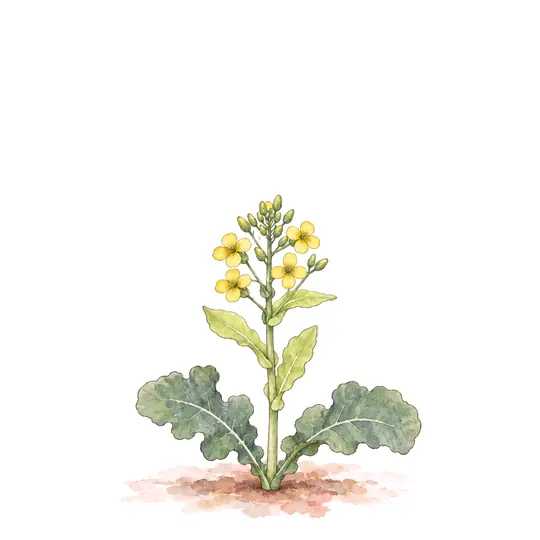
Short of sulfur
the chain stops
no sulfur for the next link: the nitrogen waits, and the young leaves go pale


Young leaves first
Sulfur doesn’t move much once it’s in the plant, so a shortage usually shows first in the young leaves: pale, yellowy green, often all over, veins and all. In canola the young leaves can also cup, rolling inwards, and as the shortage deepens they can go pale between the veins. Young leaves first is the clue that sets it apart from nitrogen. Nitrogen moves, so its shortage yellows the old leaves first. A crop short of sulfur can look hungry for nitrogen even when it’s had plenty.
Sulfur, in the plant. Nitrogen, in the plant. Held: barely moves.
-
Short of sulfur
canola
the young leaves pale first: sulfur barely moves once it’s in the plant
-
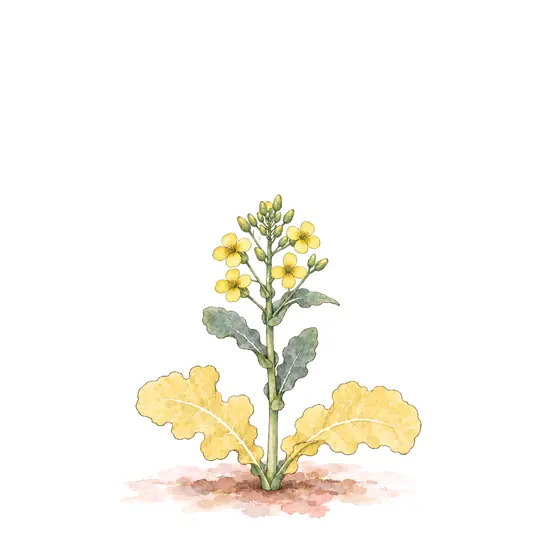
Short of nitrogen
the same canola
the old leaves yellow first: nitrogen moves out of them to the new growth

In the soil
Most of a soil’s sulfur is held in its organic matter. The soil life releases it as sulphate when the soil is warm and moist, and sulphate washes through the soil easily. So crops run short in cold, wet springs, before the soil life gets going, and on sandy soils after heavy rain, even where there’s plenty in the ground.
Sulfur, as sulphate. The soil’s life. Blocked: stays locked up.
-
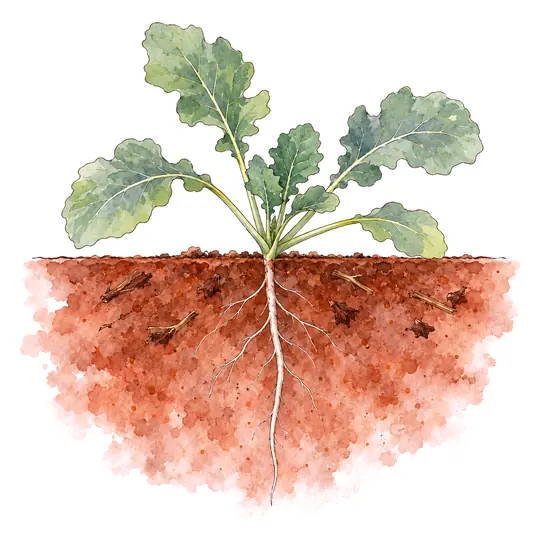
Warm and moist
young canola, in spring
the soil’s life frees the sulfur, and the roots take it in
-
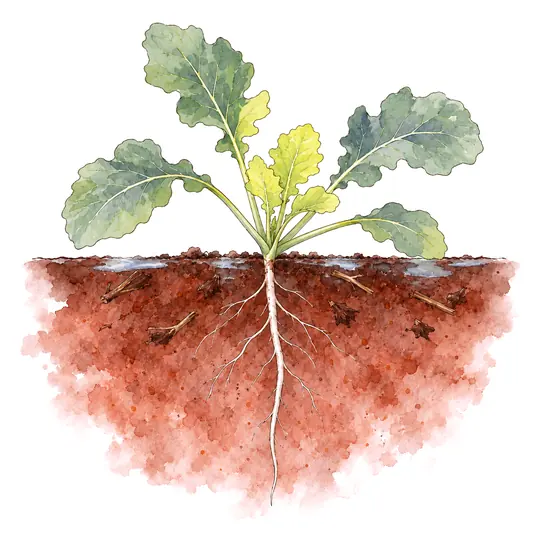
Cold and wet
the same canola, in a cold, wet spring
the life is slow to wake, the sulfur stays locked up, and the crop runs short


Sulphate or elemental
Sulfur goes on in two forms. Sulphate is the form the roots take up, so it works straight away. But it moves with the water, and on a sandy soil a heavy rain can wash it down past the roots.
Elemental sulfur, the yellow kind, can’t be taken up as it is. The soil’s life has to turn it into sulphate first, and that’s slow: faster in warm, moist soil, and when it’s ground fine. So it comes on slowly and lasts longer. And as it’s turned into sulphate, it makes the soil more acid: a help on alkaline ground, a cost on acid ground.
Sulfur, as sulphate. Elemental sulfur. The soil’s life. Rain.
-
Sulphate
young canola, sulphate on
the roots take it up straight away, but a heavy rain can wash it down past them
-
Elemental
the same canola, elemental sulfur on
the soil’s life turns it into sulphate first, so it comes on slowly and lasts longer
When it matters most, crop by crop
The stages where sulfur is one of the minerals that matter most, in the program builder’s seasons. Each bar is a whole season, from sowing or planting to harvest, or a tree’s year. Build yours in the program builder.
Where it fits in a program
- Match it to the nitrogen. When you feed nitrogen, check that sulfur is keeping up.
- Watch the big users: canola and the other brassicas, onions and garlic.
- Plenty of common inputs carry sulfur as sulphate: gypsum, potassium sulphate, ammonium sulphate. Elemental sulfur is slower, because the soil life has to convert it first, and it makes the soil more acid as it does.
- Keep calcium and sulphate out of the same tank. Together they can form gypsum, which drops out and blocks the lines.
- Test the young leaves as well as the old.