
What it does
“What do people think about when they grow?” Steve asks. “Always nitrogen in their heads.”
Nitrogen is what a plant builds protein from: every enzyme (the tiny tools the plant does its work with), every bit of new growth, the green in every leaf.
A liability until it’s a protein
In Steve’s programs, nitrogen is a liability until it becomes a protein. The plant builds it up on an assembly line, and a sap test reads how much of it is finished and how much is still loose.
Here’s the thing: nitrogen out of the sack isn’t protein. The plant takes it in as nitrate or ammonium, and that’s only the raw material. It has to be built up, step by step, into amino acids, the building blocks of protein, and then into protein, like parts moving down an assembly line.
Every step on that line costs energy, paid for in sugar from the leaves. And the line needs its parts: molybdenum for nitrate’s first step, sulfur for two of the amino acids. Short of energy or a part, the line backs up, and the plant fills with nitrogen it hasn’t finished. Until it’s finished, it’s a liability.
Nitrogen. Built into protein. Molybdenum. Sulfur. Sugar.
-
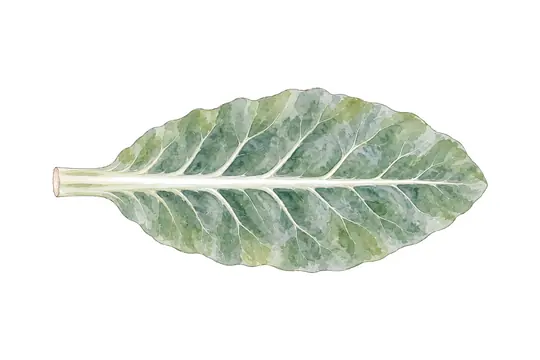
The line running
every part there, sugar to pay
nitrogen built all the way into protein
-
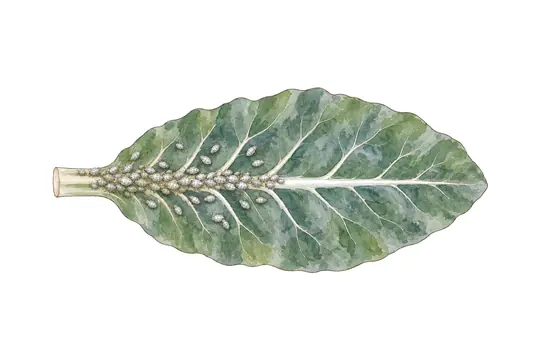
Backed up
short of a part or of sugar
nitrogen the plant hasn’t finished: a liability, and aphids come for it


Unfinished nitrogen shows. Growth goes soft and sappy, with thin walls. And sucking pests, like aphids and mites, do best on a plant full of loose nitrogen: it’s easy food for them in a way finished protein isn’t. That’s a big part of why Steve asks why a pest is there before what to spray.
Too little shows too
Nitrogen moves around the plant, so a plant short of it pulls it out of its old leaves to feed the new growth. The old leaves go pale, then yellow, the whole leaf, veins and all, from the bottom of the plant up. In maize and the other grasses, the yellow starts at the tip of an old leaf and runs back along the midrib in a V. The plant stays small and thin, puts out fewer tillers or branches, and its bottom leaves die off early.
Nitrogen.
-
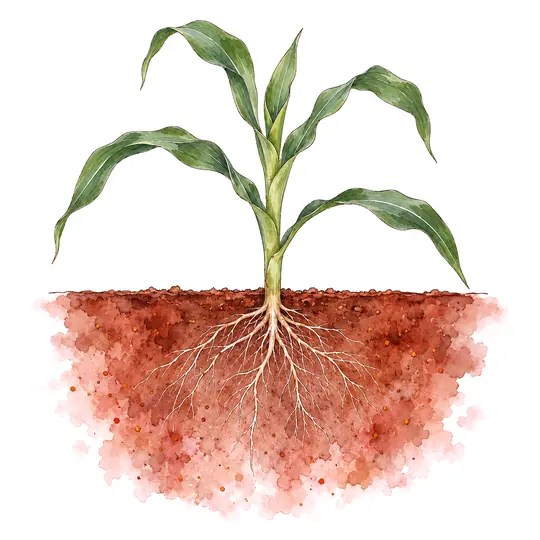
Enough nitrogen
young maize
every leaf keeps its share
-
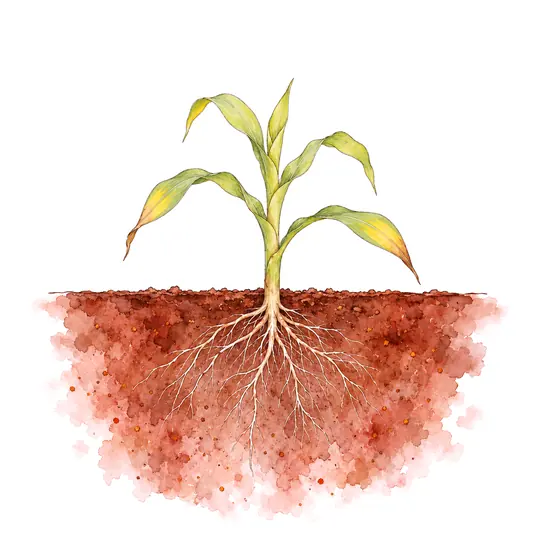
Short of nitrogen
the same maize, smaller and paler
it pulls its nitrogen out of the old, lowest leaves to feed the new growth: they yellow from the bottom up, from the tip, in a V


A pale, hungry-looking crop isn’t always short of nitrogen, though. A crop short of sulfur or molybdenum, or a legume whose nodules have stopped working, looks much the same. The sap test helps here: a crop that’s truly short reads low in nitrate, and one that can’t finish what it has reads high.
Total and free nitrogen
A sap test can show you both. Total nitrogen is all the nitrogen in the sap. Free nitrogen, mostly nitrate, is the part still waiting on the line. When free nitrogen is a big part of the total, the plant has plenty of nitrogen but isn’t finishing it, and more nitrogen won’t help. Find what the line is short of instead. Watch the two together across the season: how they’re shifting tells you more than any one reading.
Nitrogen. Built into protein.
-
Finishing it
a leaf’s sap, tested, magnified
free nitrogen is a small part of the total: the rest is built into protein
-
Not finishing it
another leaf, the same total, magnified
free nitrogen is a big part of it: plenty there, unfinished, and more won’t help
All nitrogen is not equal
Three things decide what a unit of nitrogen does for your crop:
- Its form. Put nitrates in, Steve says, and the root gives off hydroxyls. The pH right around it goes up, and the trace minerals you’ve just put out don’t release.
- Its timing. Nitrogen that arrives at a stage when the crop can use it gets built. Nitrogen that arrives early doesn’t get built: it ends up as soft growth in the plant, or it leaches out of the soil.
- Whether the plant can finish it. That takes energy from the leaves and the parts on the line: molybdenum, sulfur, and the minerals that keep photosynthesis running.
Ammonium works the other way from nitrate: as a root takes it up, the pH right around it goes down. Among the trace minerals a higher pH holds back are manganese and zinc. Ammonium has its own costs, though. Heavy ammonium can crowd potassium, magnesium and calcium at the root, so watch the form either way.
Nitrogen. Zinc. Manganese. Hydroxyls, from a root: the pH goes up. Acid, from a root: the pH goes down. Held back: it can’t reach the root.
-
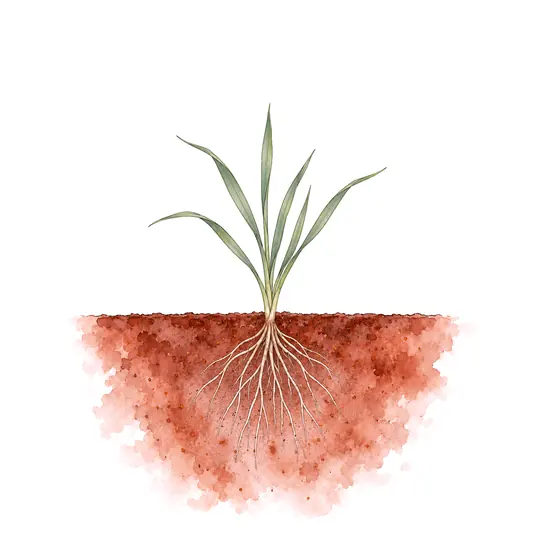
Fed nitrate
young wheat
the root gives off hydroxyls: the pH round it goes up, and zinc and manganese are held back
-
Fed ammonium
the same wheat
the pH round the root goes down, and zinc and manganese get in more easily

When it matters most, crop by crop
The stages where nitrogen is one of the minerals that matter most, in the program builder’s seasons. Each bar is a whole season, from sowing or planting to harvest, or a tree’s year. Build yours in the program builder.
Where it fits in a program
- Ask what the crop can finish, not how much you can put on.
- Feed the line, not just the hopper: keep the leaves making sugar, and check molybdenum and sulfur.
- Little and often, matched to the stage, usually wastes less than one big dose up front.
- Read free nitrogen on your sap tests. Soft growth and aphids can be the plant telling you the line’s backed up.
- Watch the form. A lot of nitrate can push up the pH at the root and lock up your trace minerals.
“All nitrogen is not equal.”