
Four ways in
The program builder asks it of every pass: how does it go on? At planting, onto the soil, through the water, or onto the leaf. Each way in has its job, and a good program uses each one for what it does best.
Fertiliser granules. Water put on, carrying it. A spray’s mist, carrying it.
-
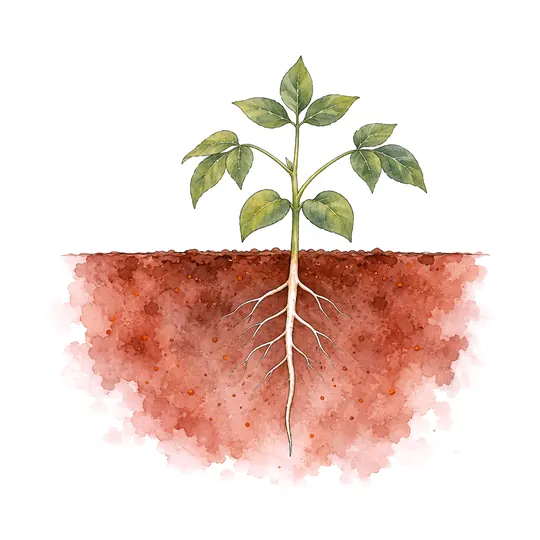
Four ways in
one young plant
at planting, onto the soil, through the water, onto the leaf: each has its job

At planting: there from the start
What goes in with the seed is there before the crop needs it. Steve’s poppy plan starts here: a planting blend with root fungi, to get the tiny seed through its slow first three weeks. The Poppies page has the plan.
But don’t load it up. In potatoes, Steve’s view is that a big load of fertiliser under the seed sets up a fight at the root. Potassium out-competes everything else, and the chloride and nitrate in the same load tell the plant to grow leaf when it should be setting tubers. The Potatoes page has more.
Fertiliser granules. A young tuber. No tuber setting.
-
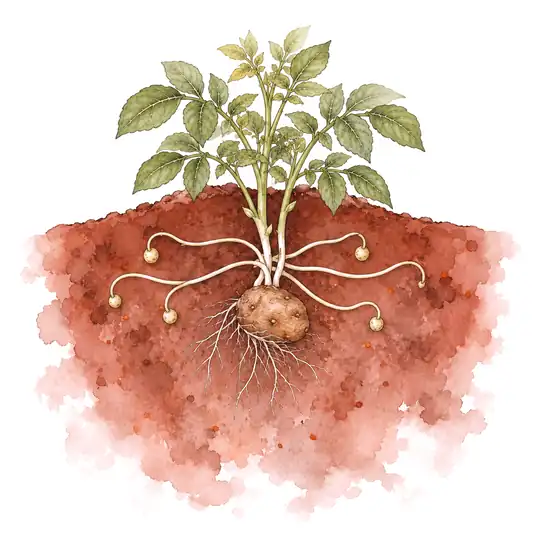
A modest base
a potato plant at tuber set
the stolon tips hook and swell: it’s making tubers
-
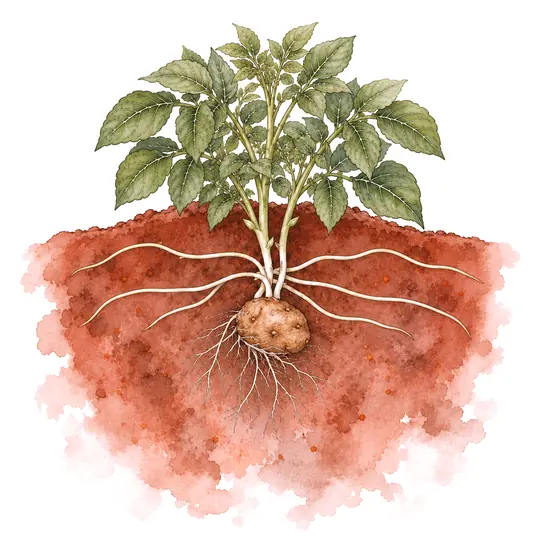
A big load under the seed
the same plant, the same day
the chloride and nitrate in it say grow leaf, when it should be setting tubers


Onto the soil: slow, and it builds
The big amounts go on the soil: lime and gypsum, and much of the nitrogen, phosphorus and potassium. The roots, and the life around them, take them up as the crop grows, and some of what’s left, like the phosphorus and lime, builds up over the seasons. It’s the slow way, and the soil has a say in how much of it the plant gets.
That’s Steve’s point about the root zone. It’s not what’s in the soil that counts, it’s what happens around the root. Put nitrate in, the pH around the root goes up, and the trace minerals you put on aren’t released. The Soil health page has more.
Through the water: little and often
Fertigation feeds through the irrigation, straight to the root zone, a little at a time, all season. It suits what the crop needs steadily while it grows and fills, like potassium through sizing, once the crop has earned it. Whatever’s in the water comes too, so check it for salt.
Fertiliser granules. Water put on, carrying it. Wet soil. Salt.
-
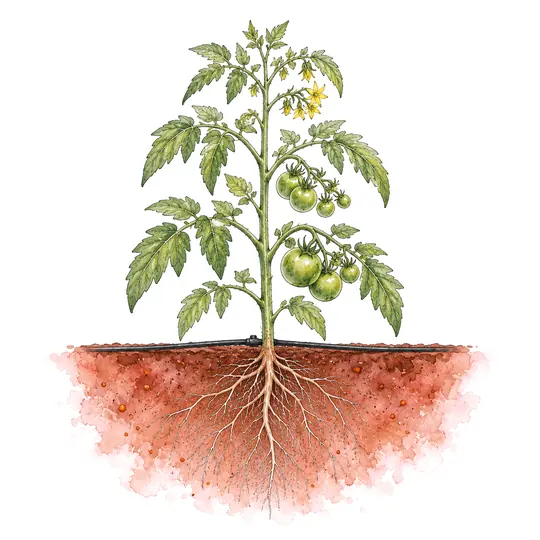
Through the water
a tomato on a drip line, cut away
a little at a time, all season, straight to the root zone, and whatever’s in the water with it

Onto the leaf: on time
A foliar goes on at the stage that needs it. Here’s a bean crop’s sap report, as Steve tells it. Through cell division, calcium dropped hard, so next season a calcium foliar goes in at that stage. The Cell division windows page has it.
“We have to get that calcium up into there. So next time you grow your beans, you know what we’re going to do? When we get to there, we’re going to get calcium foliar spray.”
A foliar spray puts a mineral into the plant at the stage it matters, even when the soil’s holding it back or the roots are struggling. Foliars suit the minerals the plant can’t move around itself, like calcium and boron (in most crops), which have to land on the new growth they’re for. The Mobile and immobile minerals page explains why. They suit the trace minerals a crop needs only a little of, like manganese and zinc. But a leaf takes in only so much at a time. A foliar tops a crop up at the right moment. It doesn’t feed the whole crop.
Why the foliars follow the stages
Each stage is short, and some minerals have to be in the new tissue right then. The soil can’t be counted on to deliver them on the day: a cold snap, a dry spell or the wrong pH, and the roots can’t get them.
Steve’s poppy plan has a first foliar spray to overcome the lag of those slow first weeks. The Poppies page has it.
Getting a foliar to work
- In the cool of the day. Early morning or evening, when it’s cool and the spray dries slowly. Not in the heat: then the spray dries too fast and can burn, and the plant has shut the pores it breathes through. The Stress and salt page has more.
- Not just before rain. Give it time to soak in.
- On the growth it’s for. Calcium and boron (in most crops) barely move once they’re in, so time them to the new growth.
- Weak and often, not strong and once. Too strong a mix scorches the leaf.
- Small and dissolved. A leaf takes a spray in through tiny pores in its waxy skin. What’s dissolved and small gets through most easily: the smaller, the faster. And it goes in best while the spray’s still wet on the leaf. That’s why a small chelate, like a small chelated calcium, gets in better than a big one.
Calcium, small and dissolved. Calcium held in a big molecule. Waxy skin, with tiny pores. Calcium kept out.
-
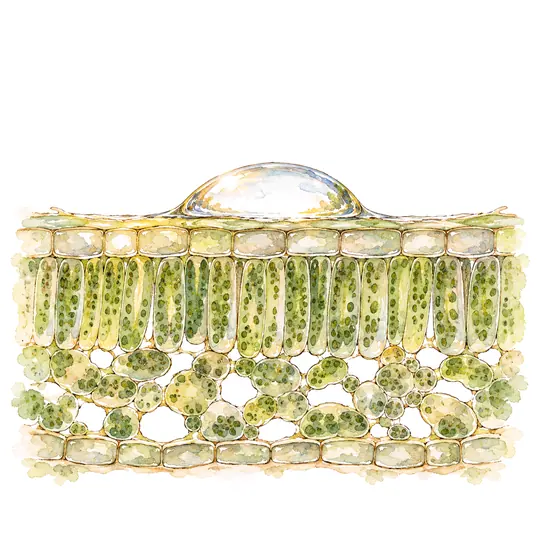
In the cool of the day
a leaf, cut across, magnified
the drop stays wet, and what’s dissolved and small goes through the waxy skin
-
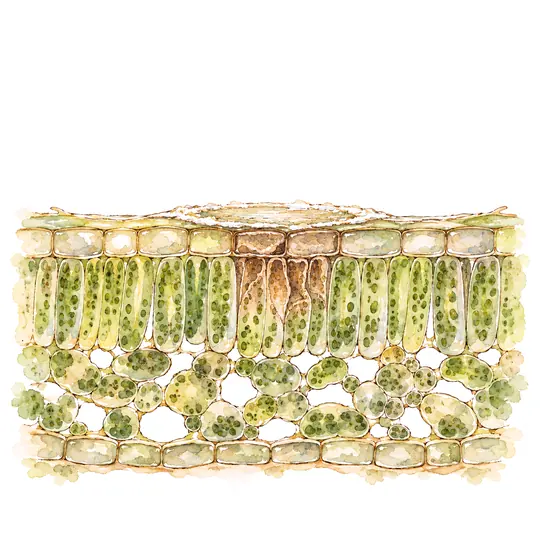
In the heat
the same leaf
the drop dries fast: what’s left sits on top as a crust, and can burn


In the tank
Some products don’t mix. Calcium with a sulphate can drop out of the tank as a solid, and silicates, the silicon products, don’t sit well with most things. Calcium and phosphorus lock up together unless the tank is kept acid. Phosphoric acid keeps it acid, so calcium acetate or calcium nitrate can go in with it and are much less likely to drop out. A chelator, like fulvic acid or amino acids, can keep calcium and a sulphate apart, but not calcium and a phosphate: the phosphate pulls too hard. The Jar tests page has why.
Calcium. Phosphate. Locked together: they drop out. Acid: phosphoric acid keeps the mix acid. Fulvic acid or amino acids, holding calcium.
-
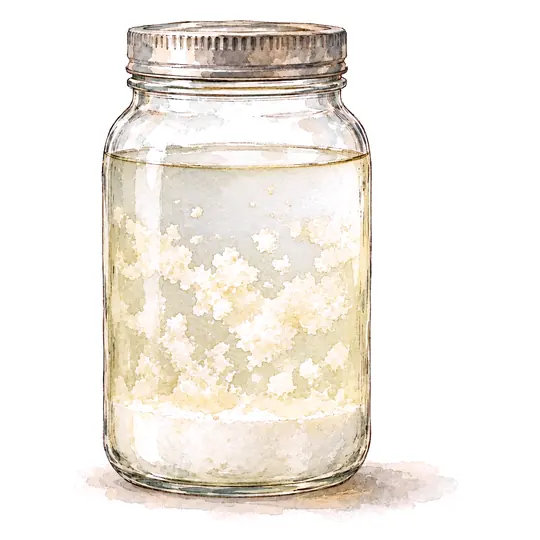
With neither
calcium and a phosphate, in one tank
they lock up together, and drop out
-
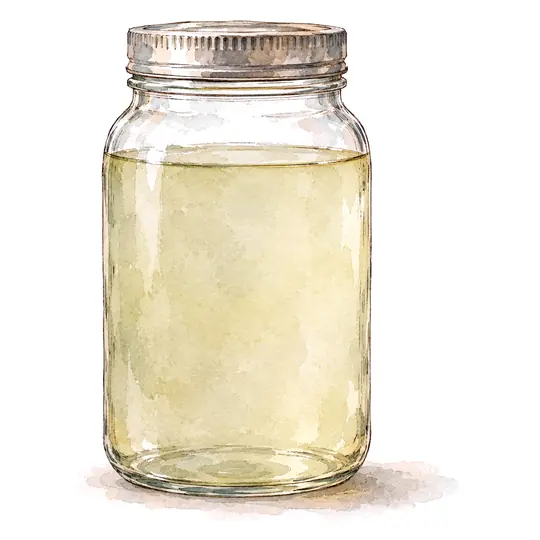
Kept acid
the same, with phosphoric acid
the acid keeps them apart: the calcium is much less likely to drop out
-
A chelator alone
the same, with fulvic acid or amino acids, not kept acid
the phosphate pulls harder than the chelator holds, and they drop out anyway


The program builder flags a pass that mixes what won’t sit together, and notes one kept acid. When it pencils passes in for you, silicon gets a tank of its own, a few days ahead of the rest. Sulphates go on a few days after the calcium. So do phosphates, unless phosphoric acid keeps the tank acid.
Before a new mix goes in the tank, check its pH and jar test it: a litre of the water you’ll spray with, and each product at the tank’s strength, added in the tank’s order. Let it stand half an hour. If it settles out, clots or gels in the jar, it will in the tank. A clear jar is a good sign, not a promise. A bucket test does the same at the farm’s scale, and shows more: whether the mix clumps or settles as it stands, and whether it all runs through a fine filter, as it has to through the sprayer’s. Once your sprayer’s in, the program builder works out the jar’s amounts for each foliar pass. And the label is the law.
Where it fits in a program
- The base goes in at planting and onto the soil. Keep what goes under the seed modest.
- Time the foliars to the stages, for the minerals that have to be in the new growth then.
- Fertigate little and often through sizing, if you have the system.
- Jar test a new mix, and spray in the cool of the day.
- In the program builder, each pass says how it goes on. Its checks flag a mix to jar test, and passes that could share a trip.