
Giving the plant what it needs at each part of the season
Steve builds every program the same way: around the crop’s critical stages of influence. All the stages in a plant’s life are critical stages. At each one the plant needs something different, and it’s critical to understand and respect what it needs then. His programs put it plainly: the right nutrient at the wrong stage does almost as much harm as the wrong nutrient. So a program follows the plant through every stage, from the first to the last.
What are your critical stages?
A poppy grower once asked Steve how much he knew about poppies. Steve told him he didn’t need to know. What are your critical stages? The fundamentals are the same in every crop. Three stages come round in every season:
- Cell division, when the crop makes the cells its quality is built on. The Cell division windows page has more.
- Sizing, bulking or filling, when those cells fill up and the yield piles on. The Sizing and bulking page has more.
- Maturity, when the crop finishes and gets ready to come off. The Maturity page has more.
Each crop names them its own way. In poppies, it’s germination and rosette, stem elongation, flowering and capsule expansion, then maturity. In potatoes, it’s stolon development, cell division, then bulking. In beans, maturity can even be pushed or pulled by a few days, so harvest lands when the machinery is free.
The program builder lays out every stage of the season, one after another, and gives each one what the plant needs then. And in every crop that’s sown or planted, it puts phosphorus first at the start: in many crops, one short of it in its first weeks often never catches up, even when phosphorus reaches it later. It has set itself up for a smaller crop.
Phosphorus.
-
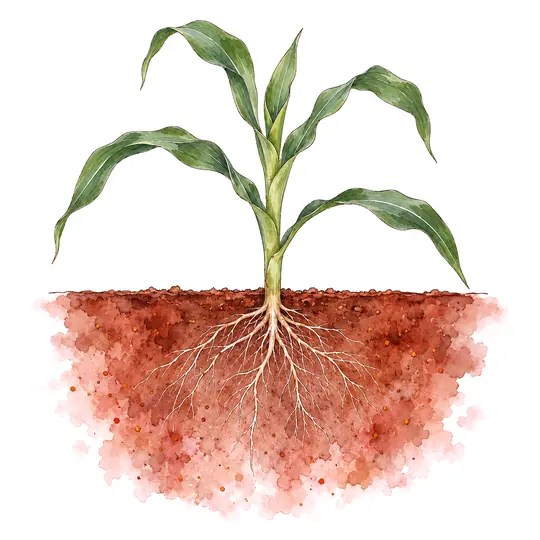
Phosphorus from the start
a young maize plant
phosphorus close to the young roots as the seed’s own store runs out
-
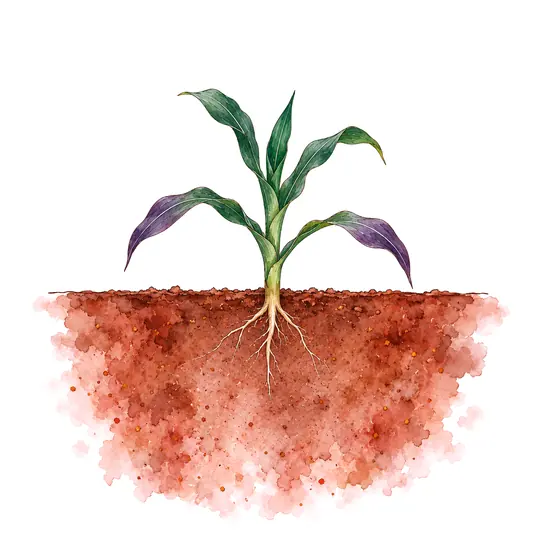
Short in its first weeks
the same maize
stunted and darker green, its old leaves purple
-
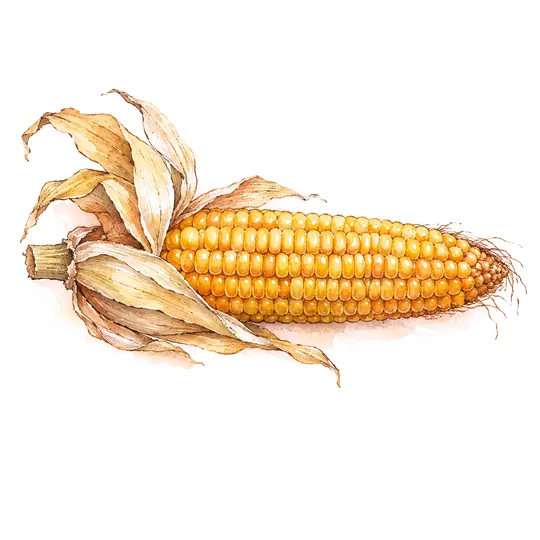
At harvest
the cob of the plant with phosphorus from the start
it set itself up for a full crop
-
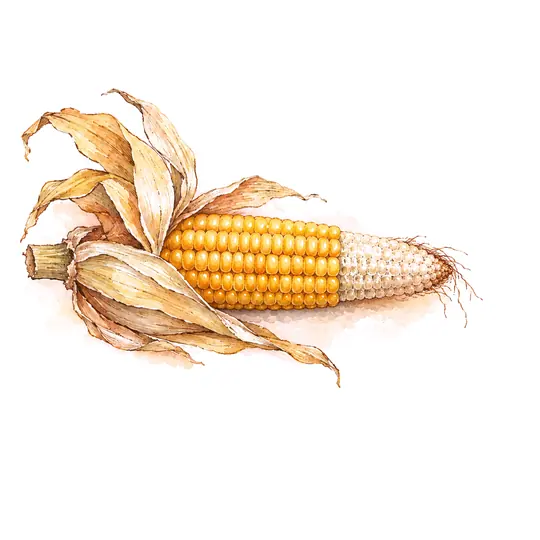
At harvest
the cob of the plant short in its first weeks
phosphorus reached it later, but it had set itself up for a smaller crop


Start from the market
Steve works backwards. “Tell me what your market wants,” he asks. Then he can “reverse engineer that and go all the way back to the front end”: to the stage that sets it. If the market wants even, mid-sized potatoes, the stage that counts is stolon set, and that’s where the program has to be right. It’s the same thinking as on the Recoveries page: count the profit at the packing shed, then find where in the season it’s decided.
A sap test.
-
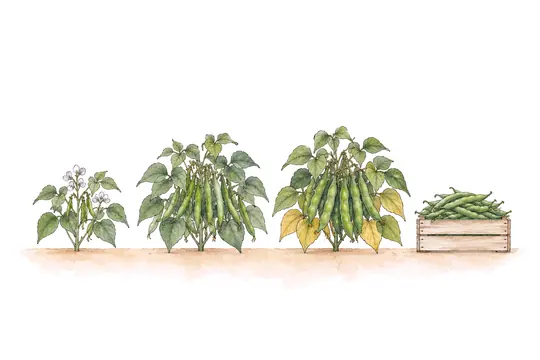
Three of the critical stages
a bean crop, sowing to harvest
a sap test just ahead of each stage, and the plan worked back from what the market wants

The flight plan
The program ends up as a plan for the season: the stages across the season, the days each one runs, the nutrients that matter most at each, and when to take the sap tests. Steve calls it the flight plan. When he showed one to that poppy grower, the grower said it was the first time he understood what he had to do. Before, it had been spray this, spray that, and nothing to do with the plant. He planned to print it big and pin it on the wall, so every morning he could see where he was at.
Stage, not calendar
Seasons don’t keep to dates. A cold start or a hot spell shifts everything. So time every input to what the plant is doing, not to what day it is. The days on the plan are a guide; the plant’s stage is the clock.
-
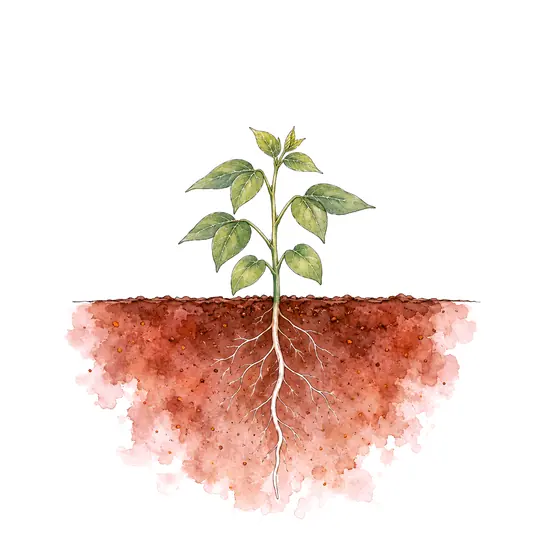
A cold start
bush beans, day 40, a cold spring
still in leaf: what’s planned for flowering waits for the flowers
-
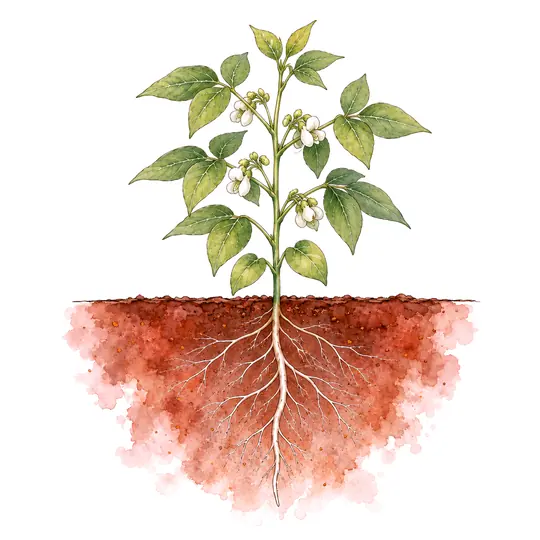
A warm start
the same beans, day 40, a warm spring
already flowering: what’s planned for flowering is due now


The same day on the plan day 40, in two springs: time each input to the plant’s stage, not the date
Don’t run out halfway
Cutting the program, Steve says, is like walking up a mountain without any water: you’ll make it halfway, then keel over. Every stage is critical, so there’s no stage where the plant can go without.
The program: one piece for each stage.
-
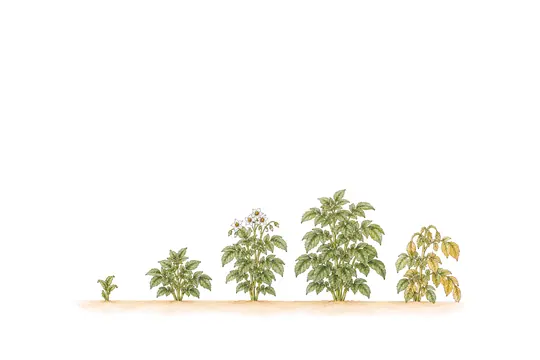
Right through
the program, planting to harvest
every stage gets what it needs, and the crop goes the distance
-
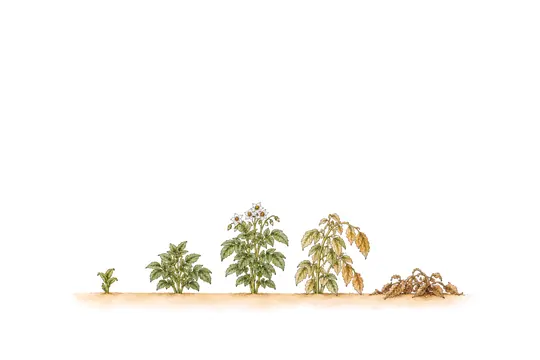
Instead, cut halfway
the same crop, the program stopped
it makes it halfway, then keels over


Where it fits in a program
- List your crop’s stages, start to finish, in your own words. Every one of them is a critical stage.
- Beside each one, write what it sets that the market pays for.
- Sap test through the season, just ahead of each stage where you can, so there’s time to act.
- Pin the plan where you’ll see it every day. The program builder prints yours for the shed wall.
“It’s understanding those critical stages of influence.”