
Two kinds of minerals
Some minerals move around inside the plant. Others mostly stay where they first land. It sounds like a textbook detail, but it tells you two practical things: where on the plant to look for a shortage, and when a mineral has to be there.
Where a shortage shows
When a mobile mineral runs short, the plant robs its older leaves to feed the new growth, so the old leaves show it first. When an immobile one runs short, the plant can’t borrow much of it, so the new growth goes without: the new leaves, the growing tips and the fruit.
the mineral, where it is in the plant.
-
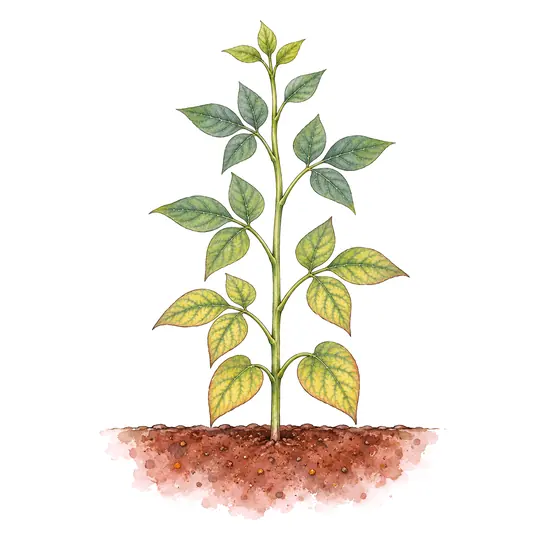
Move around
nitrogen, phosphorus, potassium, magnesium
short of one, the plant robs its old leaves for the new growth
-
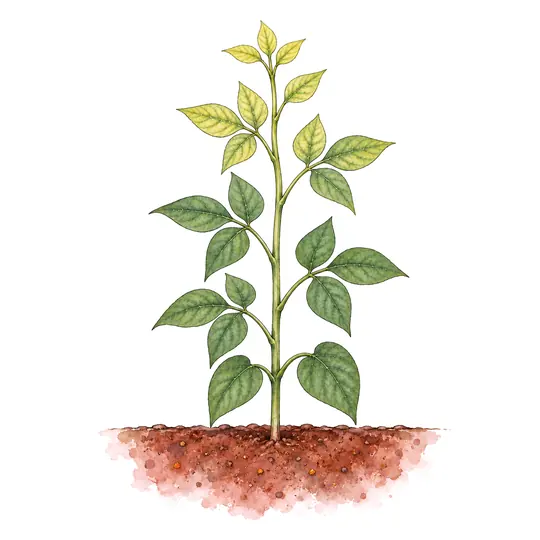
Stay put, or nearly
calcium, boron (in most crops), sulfur, iron, manganese, zinc, copper
short of one, the plant can’t borrow much, so the new growth goes without


- Move around: nitrogen, phosphorus, potassium and magnesium.
- Stay put, or nearly: calcium, boron (in most crops), sulfur, iron, manganese, zinc and copper. A few of these, like sulfur and zinc, move a little, so they can show either way.
A clue, not a verdict
Where a shortage shows is a clue, not a diagnosis. Plenty of things look alike on a leaf: a shortage, a mineral that’s there but locked up, a root problem, a pest, or a hot week. Check it with a test before you spend money on it. That’s where sap tests earn their keep: old leaves and new, side by side, show you what’s moving.
The mineral. Lime. Held back.
-
Short in the soil
a young bean, its new leaves pale
the soil has little of it to give
-
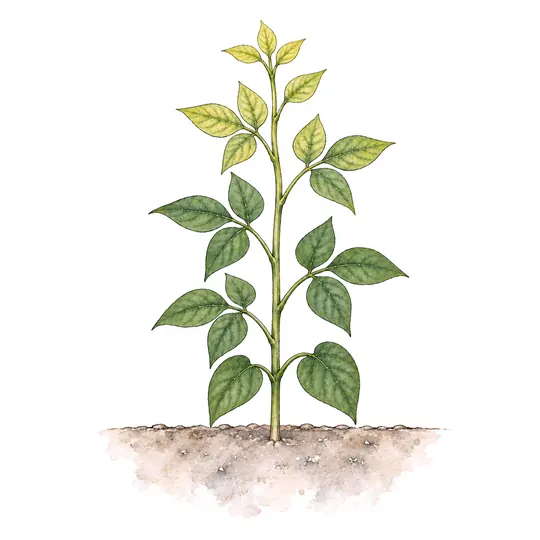
Locked up
the same leaves, in limy soil
plenty in the soil, held back from the roots
-
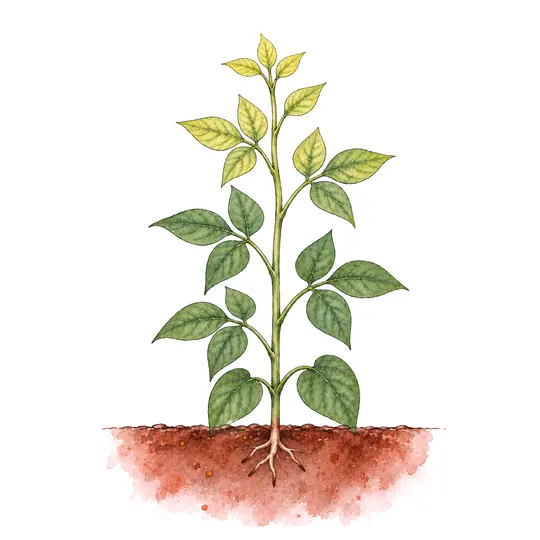
A root problem
the same leaves, poor roots
plenty in the soil, but the roots can’t take it up


What it means for timing
Here’s the part that matters for your program. An immobile mineral can’t be borrowed later: it has to be on hand while the tissue is being built. That’s why calcium and boron, two of the foundation minerals, go in before the cell division window, not after the problem shows. And a foliar spray of an immobile mineral mostly stays in the leaves and fruit it lands on. The new growth that comes after it gets little or none.
A spray’s mist. The mineral, where it is in the plant.
-
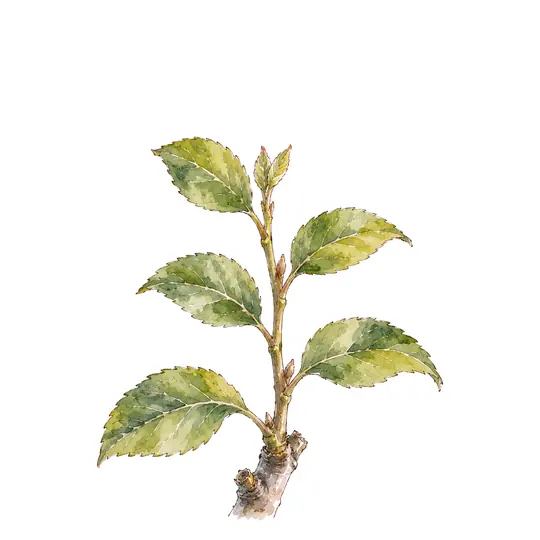
Sprayed
an apple shoot, a mineral that stays put
the spray feeds the leaves it lands on
-
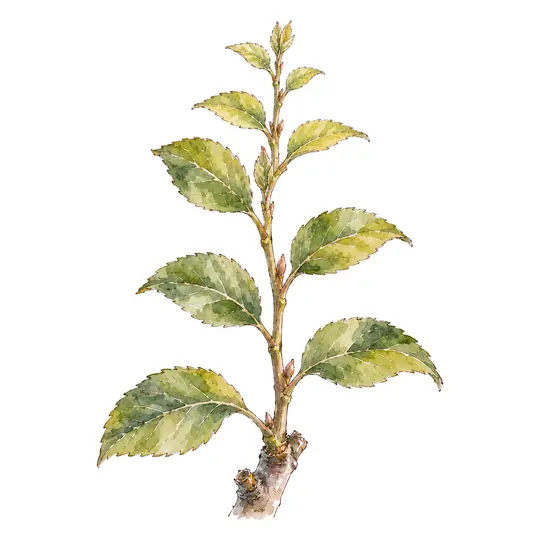
Some weeks later
the same shoot, grown on
the old leaves keep what they got; the new growth gets little or none


How is it shifting?
Steve starts from a grower’s sap tests. A grower shows him a single number, and he asks: how is it shifting? That’s when, he says, you start to understand which minerals are mobile and which aren’t.
Follow the old leaves and the new through a season, and you see it for yourself: some minerals move, and some don’t.
A sap test of the new leaves. A sap test of the old leaves.
-
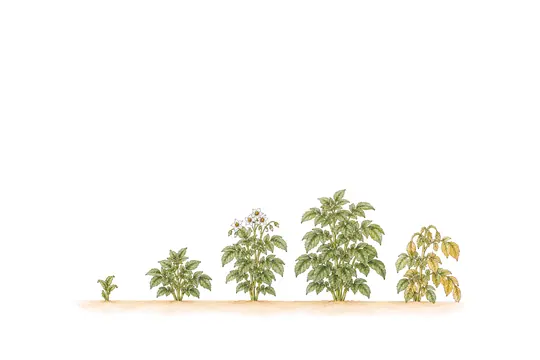
Magnesium: one that moves
sap tests at the potato plant’s five stages, from just up to yellowing, as it runs short of magnesium
the old leaves drop first: the plant moves magnesium out of them, to the new growth
-
Calcium: one that stays put
the same five stages, as the potato plant runs short of calcium
the new growth drops, while the old leaves hold up: calcium stays where it is

“So now you’re starting to understand what minerals are mobile and not.”