
Start with the packhouse, and the cool store
Start where Steve starts: tell me what your market wants. In apples, the packhouse pays for size, colour and a clean skin, and for fruit that’s firm and crisp. Then it has to stay that way through weeks or months in the cool store, because many apples are sold long after the pick.
That’s where apples can hurt the most. Bitter pit often shows up in the cool store, though it can start on the tree. It looks like small, sunken brown spots under the skin, mostly at the bottom of the fruit. By then you’ve paid to grow it, pick it and store it, and it’s graded out anyway. The profit is in what packs out, what Steve calls recoveries, and in apples much of it is decided in the six weeks after bloom.
Bloom
An apple’s flowers come in clusters, five or six to a bud. The one in the middle, the king flower, opens first, and its fruit usually grows the biggest. At bloom, the tree sets its crop. Boron has to be there for the pollen to grow down to where the seed will form, and the bees have to be working. Each seed an apple sets helps it grow, and an apple with few seeds can grow lopsided, or drop.
Pollen. Bee. Boron.
-
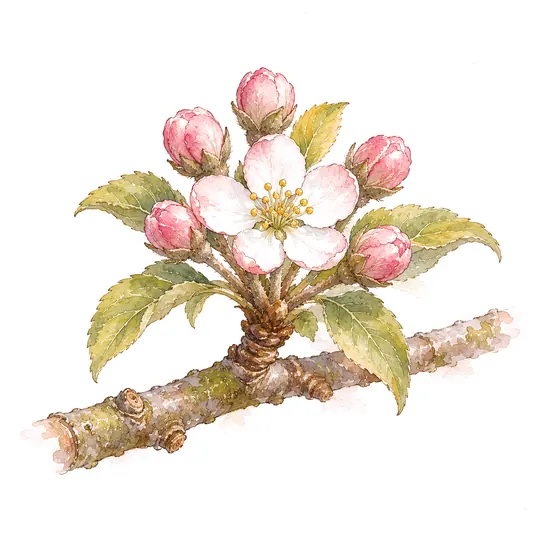
Bloom
one apple spur’s flower cluster
the king flower, in the middle, opens first
-
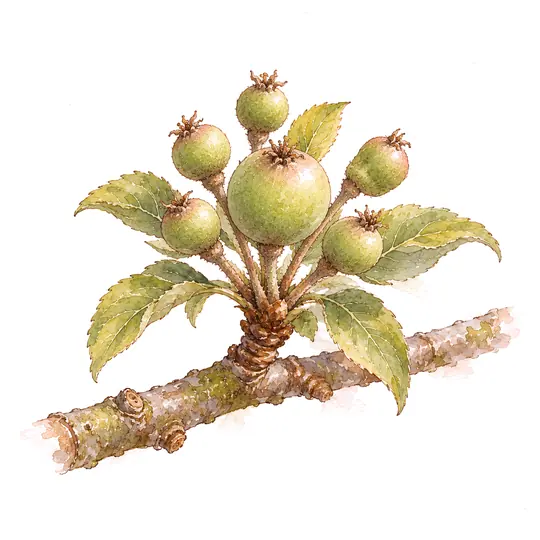
Fruit set
the same cluster, weeks later
the king’s fruit grows biggest; one with few seeds grows lopsided, or drops


The first six weeks
An apple’s cells start dividing in the flower, before it opens, and go on fast through bloom and the first six weeks or so after it, while the fruitlets are small. After that, an apple makes very few new cells: it grows by filling the ones it has. So the cells made in those weeks set how big the apple can grow, and how firm it stays. It’s what Steve means when he says quality is all about cell division. His apple program opens the window early, at green tip, when the first green leaf shows. From that point, the tree is making the cells that set how big the fruit can ever grow. The Cell division windows page has more.
It’s also when calcium gets into an apple fastest. Calcium rides the water, and in those first weeks the young fruit draws water well. As the summer goes on, less and less water reaches the fruit while it keeps on growing, so the calcium it took in early is spread through more and more flesh. That calcium has to be in the tree on time, while the fruit can still take it.
Water, carrying calcium. Calcium. Water, a trickle.
-
The first six weeks
an apple spur, weeks after bloom
the young fruit draws water well, and calcium comes in with it
-
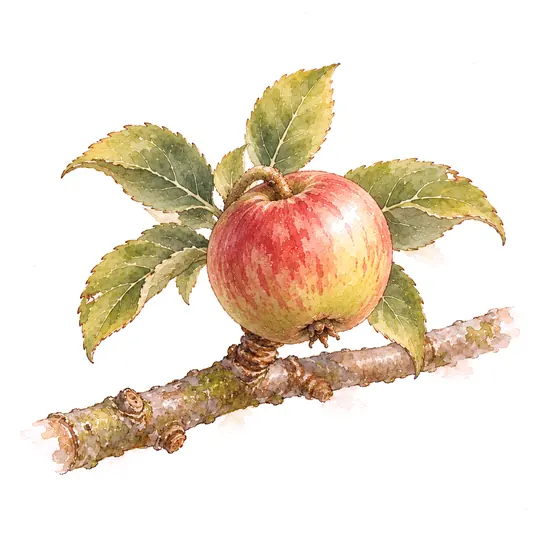
At harvest
the same spur
less water reaches the fruit as it grows, so the calcium it took in early is spread through more flesh

Thinning: one decision, two seasons
An apple tree nearly always sets more fruit than it can carry well, and in those first weeks every fruitlet is drawing on the same sugar to make its cells. Thin a heavy set early, while the cells are still being made, and the fruit left on makes more of them, and grows bigger. Thin it late, after the window has closed, and the fruit left on can only fill the cells it already has. It still swells a little with the extra room, but it won’t catch up with fruit thinned early.
There’s a second season in it too. Next spring’s flower buds start to form in early summer, while this season’s fruit is still small, and a heavy crop holds them back. Leave too many on, and you get small apples this season and few flowers next spring. That’s how an apple tree falls into on years and off years. The Tree crops page has more.
-
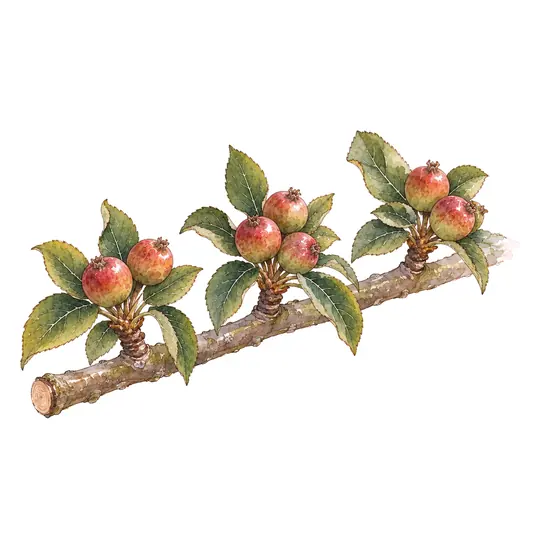
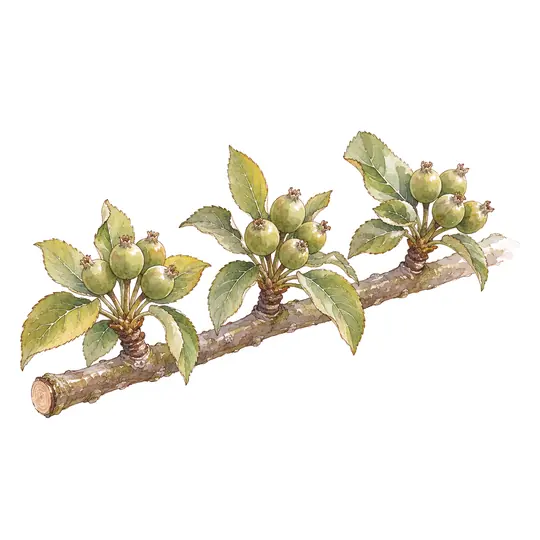
Left as it is
at harvest
in the first weeks, every fruitlet drew on the same sugar to make its cells
-
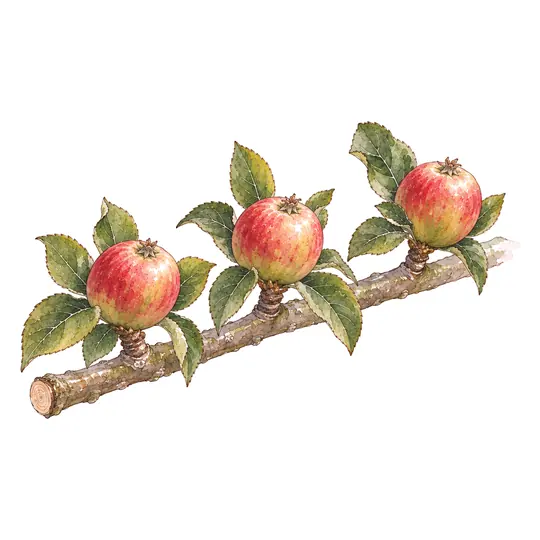
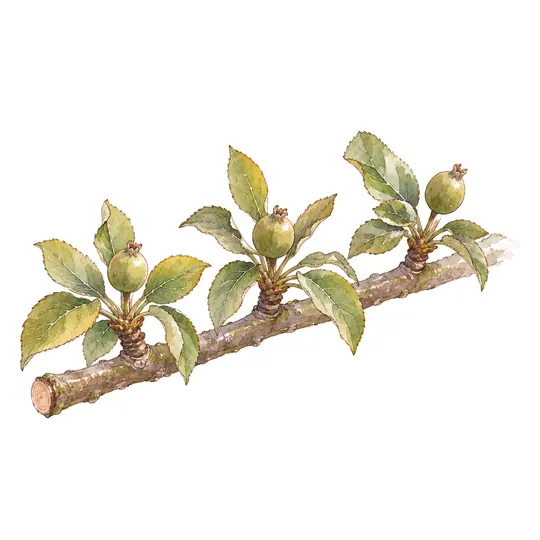
Thinned early
at harvest
the fruit left on made more cells, and grew bigger
-
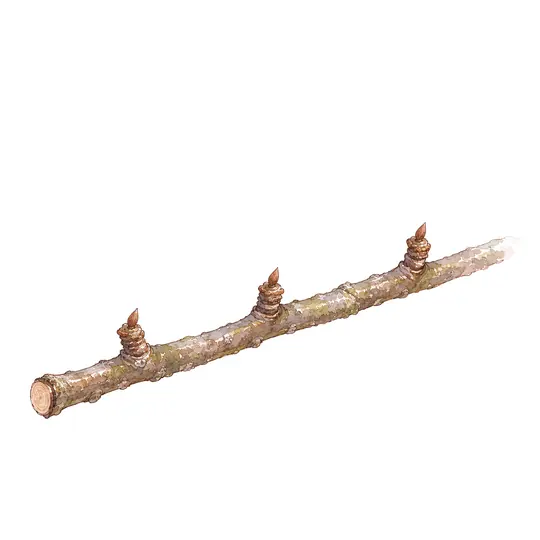
Left as it is
the same branch, next spring
last summer, the heavy crop held back this spring’s flower buds
-
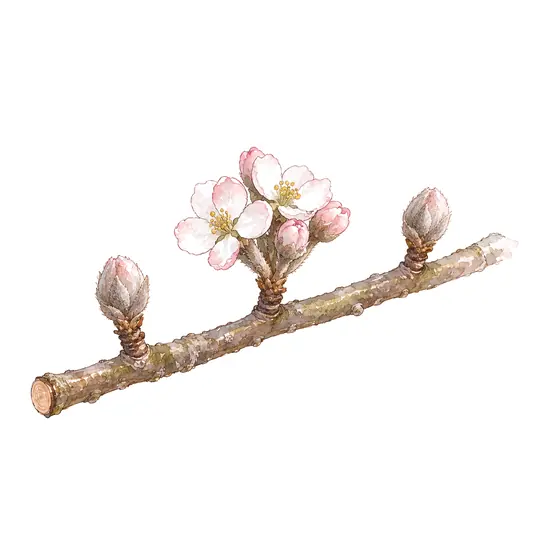
Thinned early
the same branch, next spring
its flower buds formed last summer, and open now


Thin while the cells are being made the first weeks after bloom: bigger apples this season, and flowers next spring
Bitter pit, and earning the potassium
Bitter pit is the apple going short of calcium, and its usual causes follow from everything above. Too little calcium got in while the fruit made its cells. Shoots pushed hard by nitrogen and pruning took the calcium instead. Young leaves lose far more water than the fruit does, and calcium goes where the water goes. A light crop left a few big apples, with their calcium spread thin. Or a dry spell slowed the water that carries it.
And potassium. Potassium, calcium and magnesium compete to get into the root. Put a lot of potassium on early, and less calcium gets in, just as the fruitlets need it most. An apple heavy in potassium and light in calcium is the one that pits in the cool store. That’s Steve’s rule, earn the right to use potassium, seen in one apple. Pour the foundation through the first six weeks, and bring the potassium in once the apples are sizing.
Calcium. Potassium.
-
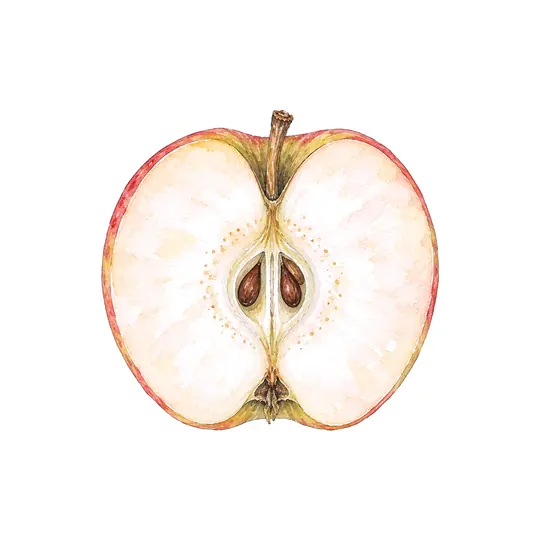
Calcium in first
an apple from the cool store, cut in half
fed the foundation through the first six weeks after bloom, and the potassium once it was sizing
-
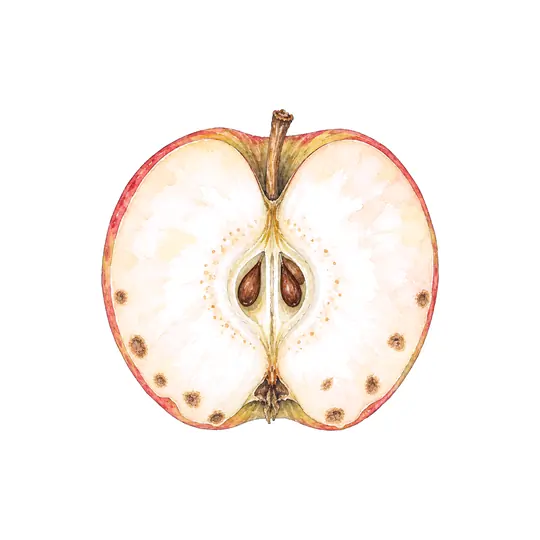
Potassium early
the same kind of apple, fed a lot of potassium early
less calcium got in while it made its cells, and it pits in the store


Calcium sprays through the summer help. They put calcium straight onto the fruit, at a time when little is reaching it through the tree, and it helps the skin and the flesh just under it, where bitter pit starts. They can’t make up for a crop that went short in the first six weeks.
A fruit test can warn you before the cool store does. Before the pick, a lab measures the calcium in a sample of apples from the block, set against their potassium and magnesium. The more potassium and magnesium there is for the calcium, the more likely the fruit is to pit in store. Growers use it to choose which blocks go into long storage and which are sold first. Read it beside last season’s pack-outs, because the figures that count as high differ from one variety to the next.
Colour, and the pick
Red colour comes on in the last weeks before the pick, with sunlight on the fruit and cool nights. Late nitrogen works against it. It keeps the tree growing, holds the green in the skin, and leaves softer fruit that pits more. So hold the nitrogen at the finish.
Pick by the fruit, not the calendar. As an apple matures, the green behind its red turns yellow, the seeds turn brown, the flesh softens a little, and its starch turns to sugar. A drop of iodine on a cut apple shows the starch, dark wherever it’s still there. Fruit for long storage comes off a little earlier than fruit sold straight away.
-
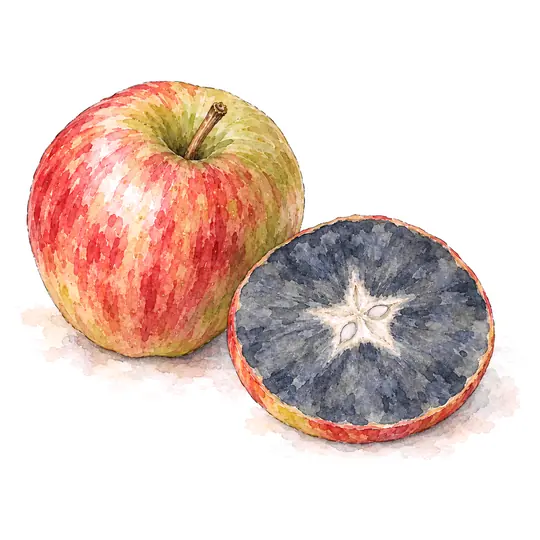
Not yet
an apple, and a slice with iodine on it
green behind the red, pale seeds, and starch all through
-
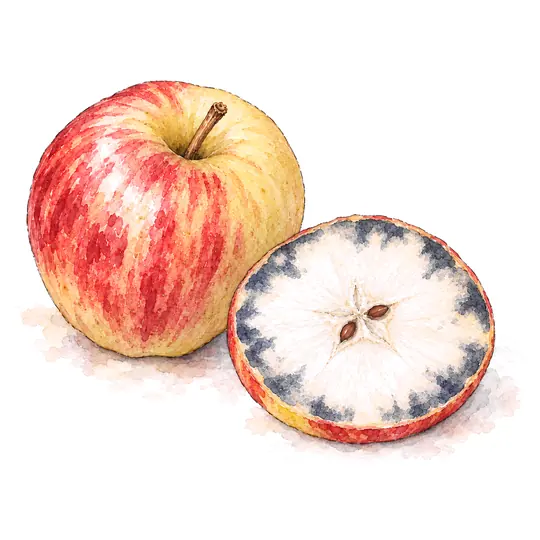
Ready
the same, weeks later
yellow behind the red, brown seeds, and the starch turning to sugar


The starch test is worth learning. Cut an apple across its middle, wipe iodine over the cut face, and give it a minute. Starch stains blue-black. An apple turns its starch to sugar from the core outwards, so the stain clears from around the core first, then out through the flesh, and last of all from just under the skin. Fruit for the cool store comes off while most of its flesh still stains; fruit for the shelf, once more of it has cleared. Test a few apples from across the block each week, and keep the cut halves side by side to watch it move.
Starch, stained dark by iodine. Sugar: no stain, stays pale.
-
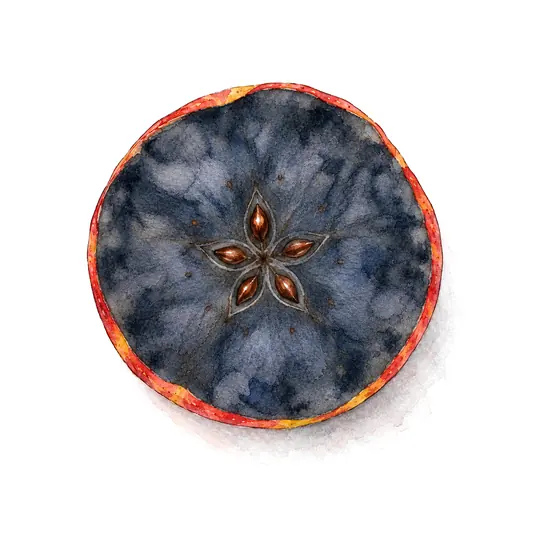
Weeks before the pick
an apple cut across, iodine wiped on
all starch: the whole face stains dark
-
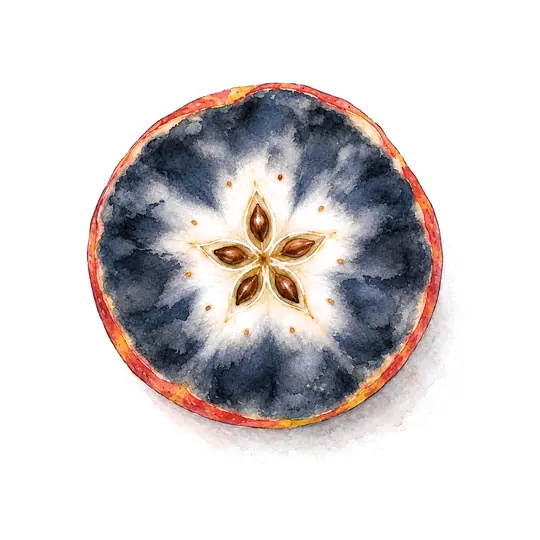
Pick for the cool store
another apple, weeks later
the starch turns to sugar from the core out; most of the flesh still stains
-
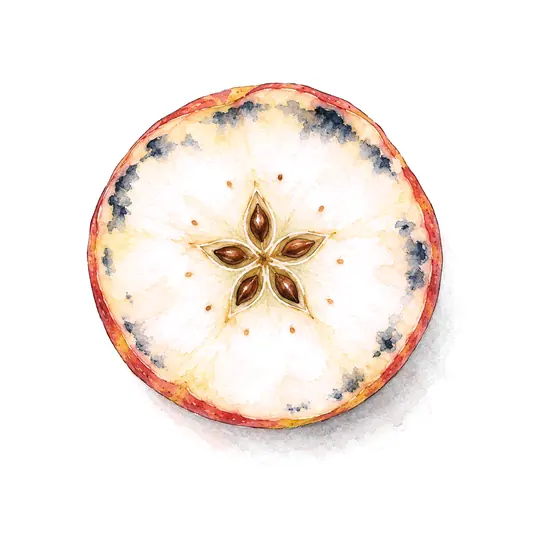
Pick for the shelf
another apple, later again
nearly all turned to sugar: only a thin ring of starch is left under the skin


The season doesn’t end at the pick. The leaves keep working until they fall, rebuilding the tree’s savings for next spring’s flowers. Keep them healthy until then.
The season at a glance
A year, from leaf drop in early May, as the program builder starts a tree. The months are a guide: your district can run weeks earlier or later, and the tree’s stage is the clock. Build yours in the program builder.
-
Leaf drop and winter wash early May to late May
Send the tree into winter charged, not exhausted.
How you know it’s here The last fruit is off, and the leaves yellow and fall.
-
Deep dormancy late May to late July
Load the buds with trace minerals while the tree sleeps.
How you know it’s here Bare branches, and the buds closed tight.
-
Wood wash before bud break late July to mid-August
Zinc, copper and boron in the bud the moment its cells start to divide.
How you know it’s here The buds swell and the sap starts to rise, but nothing’s green yet.
-
1 · Silver tip and bud swell mid-August to late August
Strong flowers, with good pollen.
How you know it’s here The bud scales part, and a silvery tip of leaf shows.
-
2 · Green tip to half-inch green late August to mid-September
Calcium, boron and zinc for the cells dividing in the young fruit.
How you know it’s here The first green leaf shows at the bud’s tip, then a centimetre or so of it.
-
3 · Tight cluster to first pink mid-September to late September
Carry the flowers through stress to bloom.
How you know it’s here The flower buds stand in tight clusters, then show pink.
What matters most: ZincCopperIronManganeseMolybdenum
-
4 · Full bloom late September to mid-October
Boron for pollen and set, and a crop the tree can carry.
How you know it’s here The king flower in the middle of each cluster opens first, then the rest.
What matters most: Boron
-
5 · Petal fall mid-October to late OctoberSap testCell division
Calcium into the fruitlets early, with boron and zinc.
How you know it’s here The petals fall, and the fruitlets show at the base of the old flowers, the king fruit first.
-
6 · Fruit set, 6 to 10 mm late October to mid-NovemberCell division
Let the tree thin itself, and the king fruit lead.
How you know it’s here The fruitlets are 6 to 10 mm across, and the weaker ones start to drop.
-
7 · Fruit sizing mid-November to late DecemberSap test
Size and sugars. The fruit has earned its potassium.
How you know it’s here The fruitlet drop is over, and the fruit swells fast.
-
8a · Bulking to early ripening late December to late January
Fill to finish, and start easing off the nitrogen.
How you know it’s here The fruit keeps sizing, and its green background starts to lighten.
-
8b · Colour and ripening late January to early MarchSap test
Colour, flavour and firmness for the cool store.
How you know it’s here The fruit colours up, and the seeds start to brown.
-
Harvest early March to late April
Pick firm fruit that stores. Hold the nitrogen.
How you know it’s here The seeds are brown, the skin’s green background turns yellow, and the fruit lifts off with a twist.
Where it fits in a program
- Write down what your packhouse grades on, and what comes back out of the cool store.
- Zinc for the buds before they burst, and boron for the bloom.
- Have calcium, boron and silicon in before bloom, and keep the calcium coming through the six weeks after it.
- Thin early, while the cells are still being made, to a crop the tree can carry.
- Save potassium for when the apples are sizing. By then they’ve earned it.
- Hold the nitrogen at the finish, and pick by the fruit.
- Test the fruit before the pick, block by block, and send the blocks most at risk of bitter pit to be sold first.
- Sap test before bloom and through the first six weeks, and compare each with last season’s. Count the fruitlets on a few marked branches before and after thinning, and see how they size.
“Earn the right to use potassium. Don’t put it out there previously.”