
Why is that pest there?
When a grower’s offered a spray for a pest, Steve puts it to them straight: “You’re the one that’s got to say, hold on a second, why do I want that? Is there a reason?” The question is: why is that pest there?
He tells it like this. A salesman comes along: you’ve got a mite problem, so here’s a miticide. Steve’s answer is protein. A plant that finishes its nitrogen into complete protein is poor food for pests like mites, which do best on loose nitrogen.
What draws them in
Pests and disease go for plants that are out of balance: stressed, or soft and overfed. Sap-feeders like aphids, whitefly and leafhoppers do best on a plant that hasn’t finished its nitrogen: sap is usually short of the nitrogen they need, so loose nitrogen is a feast. Mites, feeding on the leaf’s cells, do too. Fungi find it easier to get into soft, thin-walled tissue, which is part of what silicon and calcium are for.
The plant health levels
A well-known way to picture it is as four steps: a plant that makes plenty of sugar, then one that finishes its protein, then one that stores its energy as fats and wax, and last, one that makes its own protective compounds. The more of the steps a plant completes, the more it defends itself.
The steps a plant has climbed.
-
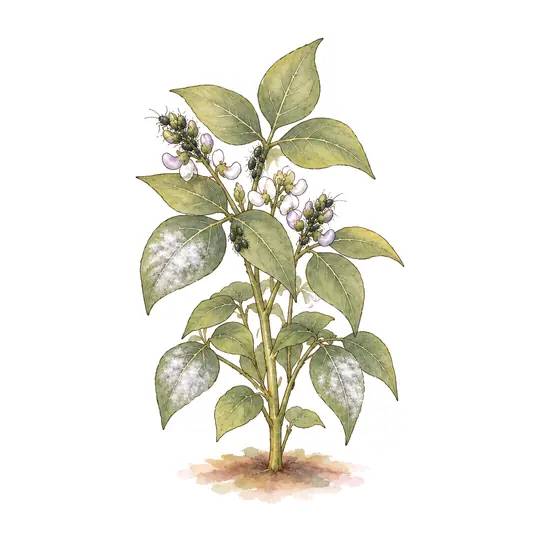
Step 1: sugar
aphids and mildew both get in
it makes its sugar, but its protein isn’t finished and its skins are thin
-
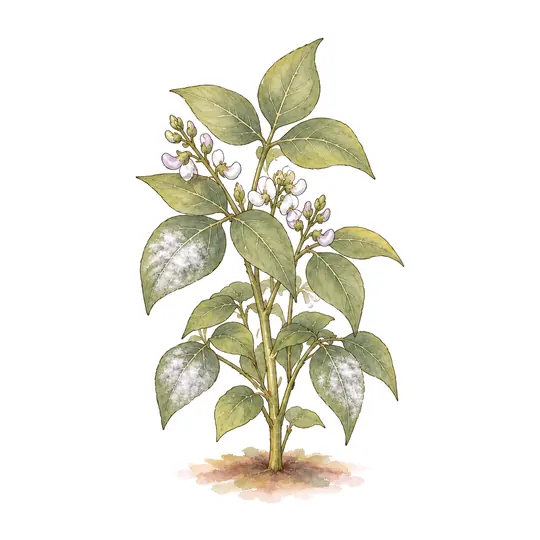
Step 2: protein
the sap-feeders find it harder
finished protein: aphids and mites lose out
-
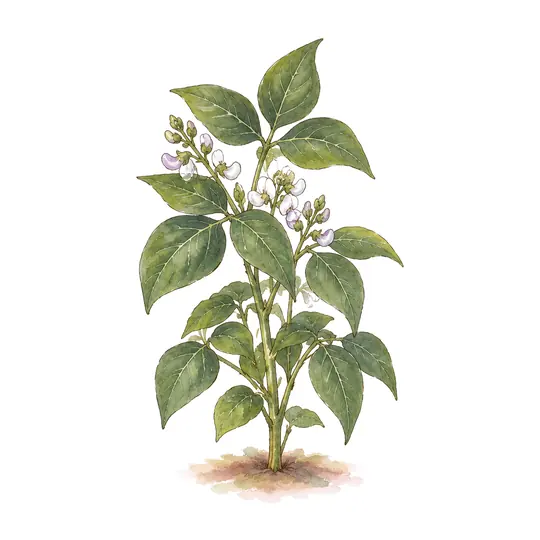
Step 3: fats and wax
mildew, rust and blight find it harder
stored fats and wax make it harder for mildew, rust and blight to get in


Then step 4: its own defences each step up takes energy, and steps 2 and 3 each make another kind of pest or disease harder to get in
Steve reads the steps against what the crop is paid for. In poppies, the first three steps drive capsule weight, the tonnage. The fourth is where you want to be for the alkaloids. In pastures, it’s the third: the energy the plant stores there is what fattens stock so quickly. “You’re not in there to grow beef,” he says. “You’re in there to grow energy.”
Before you spray
- Ask what the plant has been through: a heatwave, a cold snap, waterlogging, a big dose of nitrogen.
- Look at where the pests are. On the soft new growth? In the stressed patch of the paddock?
- Check the sap. High free nitrogen is an open invitation.
- Then decide with your agronomist. Sometimes a spray is the right call, and the label is the law. Fixing why the pest came means fewer sprays next time.
An aphid. Standing water.
-
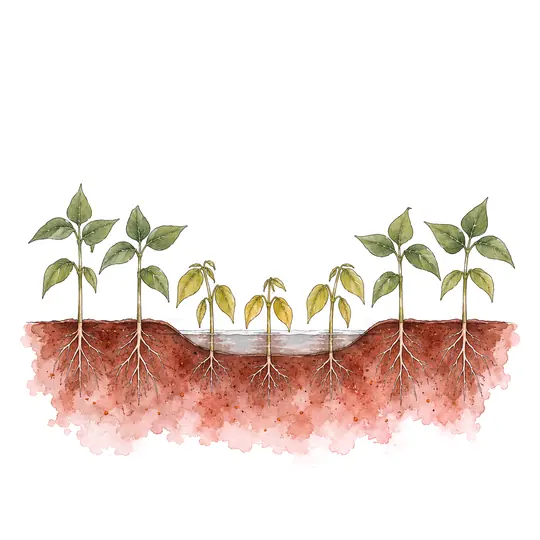
Where the pests are
a row of beans across a wet hollow
they gather on the stressed plants: before you spray, ask why that patch is stressed

Cut sprays, not nutrition
Cutting back on insecticides is great, Steve says. But don’t cut them while you’re cutting the nutrition too. Take the nutrition away and the crop’s risk from pests and disease goes up, right when you’ve taken away the sprays.
When fertiliser feeds the disease
Fertiliser can feed a disease, too. The wrong fertiliser at the wrong time can hurt your plants, and make a disease worse. Even a load of salt at the roots stresses them, and a stressed plant is an easy one.
Nitrogen is the one to watch. Give a crop too much, too early, or more than it can build into protein, and it grows soft and lush. Its new growth is sappy, its cell walls are thin, and its leaves carry loose nitrogen. That’s just what the sap-feeders want, and it’s what the mildews and rusts live on: they feed on soft, living tissue. A thick, lush canopy stays damp, too, and rots like Sclerotinia take hold in it. It’s Steve’s line on nitrogen again: it’s a liability until it becomes a protein.
Nitrogen. Built into protein. An aphid. A fungal spore and its tube.
-
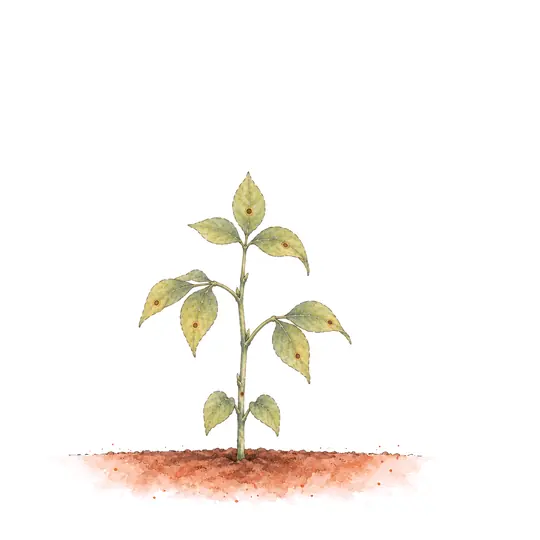
Underfed
short of minerals: potassium, say
weak walls and leaky cells: spots and rots get in
-
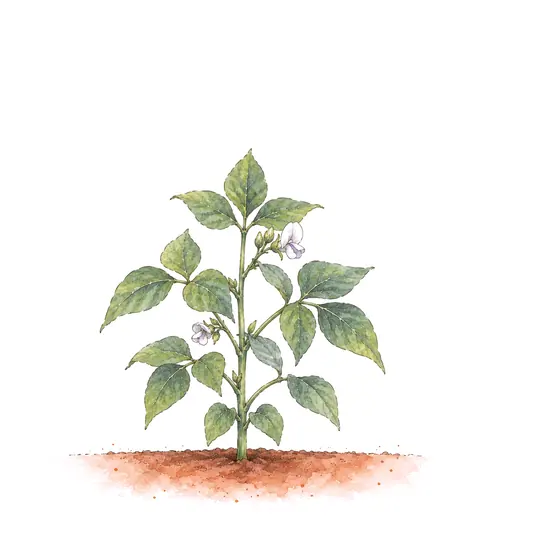
Balanced
the one to aim for
its nitrogen built into protein: poor food for disease
-
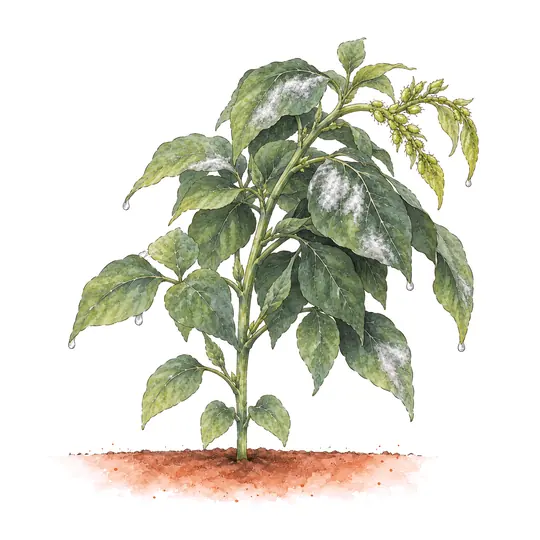
Overfed
too much nitrogen
soft, sappy and lush: mildew and aphids move in


Pests and disease get in at both ends so the aim is the balanced crop in the middle
Too little of a mineral can also let disease in. A crop short of potassium has weaker walls and leakier cells, and gets more leaf spots and rots. Wheat short of manganese defends its roots poorly against take-all, and in Western Australia, manganese where it was short eased the disease. A potato short of calcium rots more easily in store, because calcium holds its cell walls together against the rot.
Even the form of the nitrogen can tip it. Fed as ammonium or as nitrate, the same nitrogen can make a root disease better or worse, and which way depends on the disease. So the answer to disease isn’t less nutrition, or more. It’s the right mineral, in the right form, at the right stage.
“You’re asking the wrong question. Question is, why is that pest there?”