
Quality is set early
Steve’s line is that quality is all about cell division. A fruit, a tuber or a pod grows in two stages. First it makes most of its cells, fast, in a short window just after it sets. Then it grows mostly by filling the cells it has made. A few crops, like avocados and potatoes, keep adding cells more slowly as they grow. But in most, the number of cells is largely settled in that first window.
-
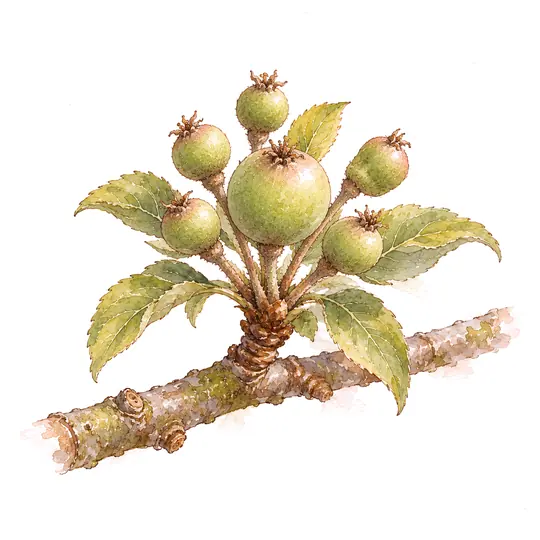
Just after it sets
an apple spur, a few weeks after bloom; one patch of flesh, magnified
it makes most of its cells now, fast, in a short window
-
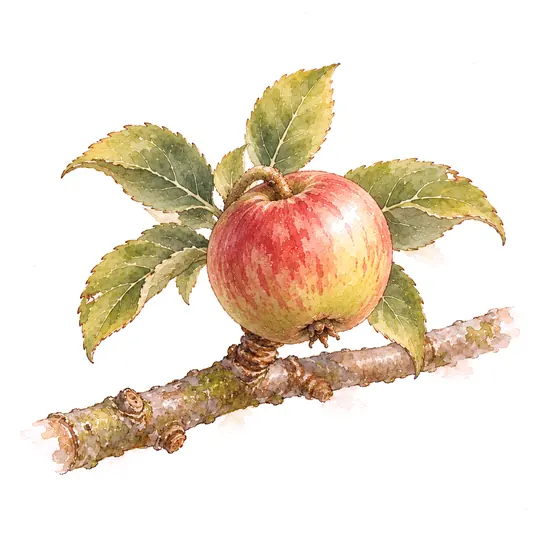
At harvest
the same fruit; the same patch, magnified the same
it grew mostly by filling the cells it made in that window


Quality from density
Two fruit can end up the same size with very different insides. One has plenty of small, well-built cells, packed tight. The other has fewer cells, stretched to fill the same space. The first is firmer, holds up better in the packing shed and stores longer. Steve’s slide puts it in three words: quality from density.
-
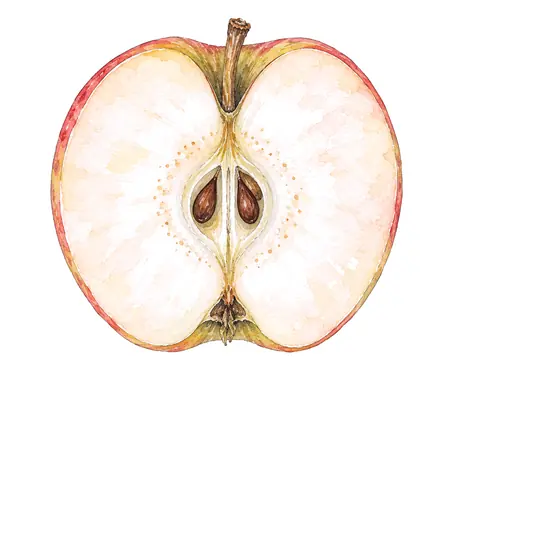
More cells
an apple, cut open
firm, holds up in the shed, and stores longer
-
Fewer cells
another apple, the same size
softer, bruises, and stores less well

How long the window lasts
It depends on the crop. Steve’s rule of thumb: in row crops like beans, the window might be seven days, or even three or four days. In tree crops like avocados and limes, it’s more like three to four weeks. In potatoes, he says, it starts when the stolon tips hook.
The fruit making the cells it will fill.
-
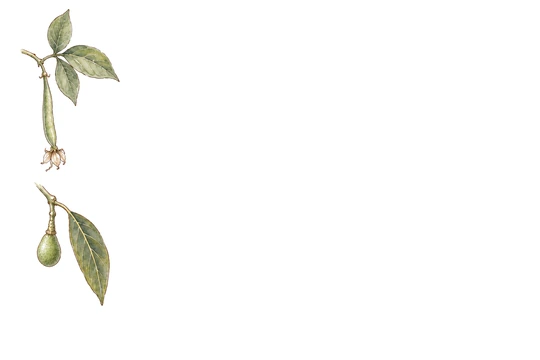
The cell division window
Steve’s rule of thumb, from fruit set
days in row crops like beans, weeks in tree crops

Have the foundation in first
Cells are built inside the window, so what they’re built from has to be there when it opens. That’s why the foundation goes in ahead of it: calcium, boron and silicon. Calcium in particular travels with the water. Fruit draws far less of it than the leaves do, and less again once the fruit starts to size. So a fruit takes its calcium in fastest early, while it’s small, and the calcium has to keep arriving right through the window. And keep the water steady through the window: a stressed plant builds fewer cells.
Water, carrying calcium.
-
Just after it sets
an apple spur, a few weeks after bloom
the fruitlets take calcium in fastest now, while they’re small and building their cells
-
Later
the same spur, the fruit grown
the leaves take most of the water, and the fruit gets less and less
A bean crop’s sap tests
Steve tells this one from a bean crop’s report. Through the season’s sap tests, calcium dropped hard right through cell division. Steve points it out on the chart: “See, calcium, it’s gone boom, boom, gone down. So that’s that cell division.” His reading: the plant was using the calcium. So next season’s program puts a calcium foliar spray in at that stage. The tests showed him what the crop ran short of, and when. That’s what a run of sap tests is for.
One sap test: its calcium. A spray of calcium.
-
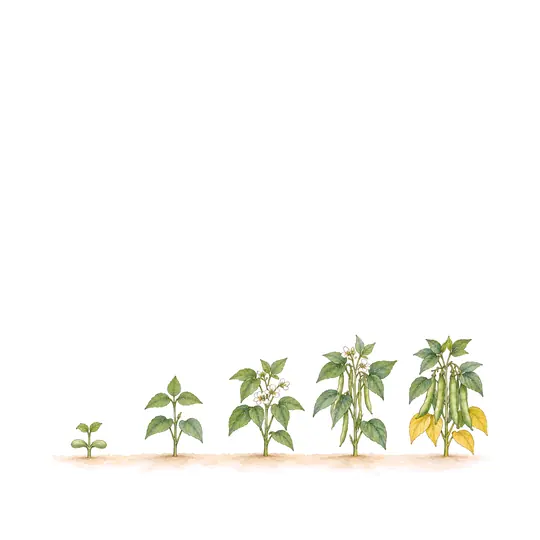
A bean crop’s sap tests
calcium, test by test, through one season
calcium dropped hard right through cell division: next season, a calcium foliar goes in there

Where it fits in a program
- Find your crop’s window: when it opens, and how long it lasts.
- Have the foundation in before it opens: calcium, boron and silicon.
- Keep the water steady right through it.
- Keep potassium out of it. In Steve’s picture of a house, you pour the foundation, build the house, then fill it with potassium.
- Sap test around it, so next season you know what the window was short of.
“Quality is all about cell division.”