
The finish
Maturity is the last of Steve’s three fundamentals, after cell division and sizing. It’s the crop’s finish: it stops growing and gets ready to come off.
It’s where the season’s work gets paid for, or doesn’t. A crop that finishes well comes off in spec, packs out and keeps. One that doesn’t loses it at grading, in the shed or in storage, however well it grew. That’s why Steve counts the profit in recoveries, not tonnes.
What it’s for, crop by crop
Every crop matures for something different, and the first step is knowing what yours is for. Steve’s examples:
- Poppies. The capsule is where the grower gets paid, for its weight and its alkaloids. For a poppy grower, Steve says, maturity is all about the alkaloids concentrating.
- Beans. Pods in spec on the day they’re picked. What counts is what comes off in spec.
- Potatoes. The tops go down and the skins set, so the tubers lift without scuffing and keep in store.
What the crop matures for.
-
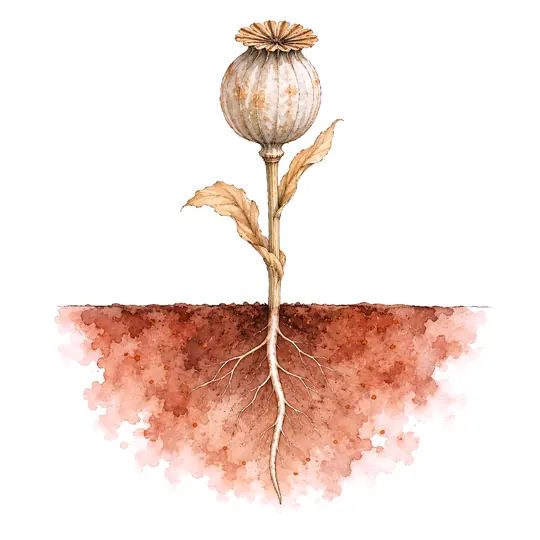
Poppies
paid for the capsule
its weight, and the alkaloids concentrating in it
-
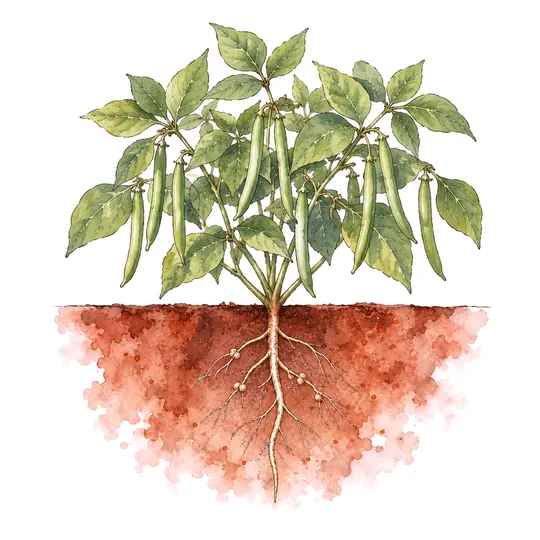
Beans
paid for the pods
in spec on the day they’re picked
-
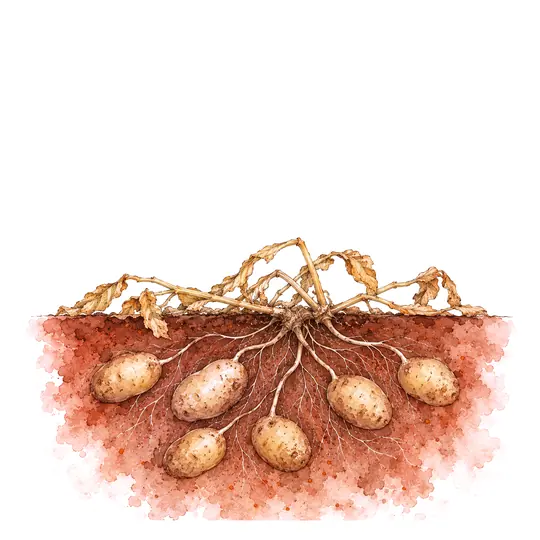
Potatoes
paid for potatoes that keep
the tops go down and the skins set, so they lift without scuffing and keep in store


Push or pull the finish
In beans, Steve says, maturity is about pushing and pulling. His example: hold a crop’s maturity back three days, so the harvester can take it when it’s free, rather than skipping it to jump into the next one. A few days either way can decide whether a crop comes off in spec or past it.
-
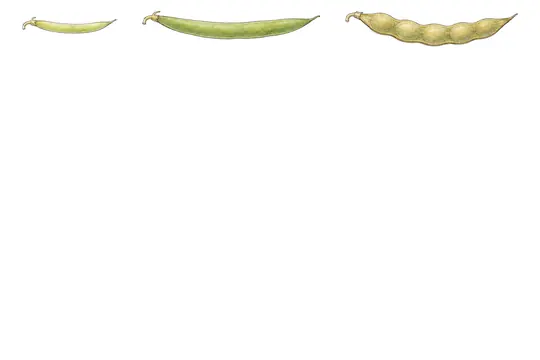
Timing the finish
pods are in spec for only a few days
held back three days, the same crop is in spec on the day the harvester’s free

“I want to extend the maturity by three days, so I can mechanically harvest that, not bypassing this crop to jump into that one.”
Which way to move your crop, and how, depends on the crop and the season. Plan the harvest with the crop, and bring it to the live Q&A.
Hold the nitrogen
Nitrogen the crop can’t use by now goes into soft, sappy growth, not into what you’ll sell. Steve’s line is that nitrogen is a liability until it becomes a protein, and near the finish there’s little time left to build it. So in most crops the program builder holds the nitrogen through the stages where it does more harm than good, and the Crop Walk looks for soft growth then.
Nitrogen. Fertiliser granules.
-
Nitrogen held
a bush bean, near harvest
the crop’s nitrogen goes into its pods
-
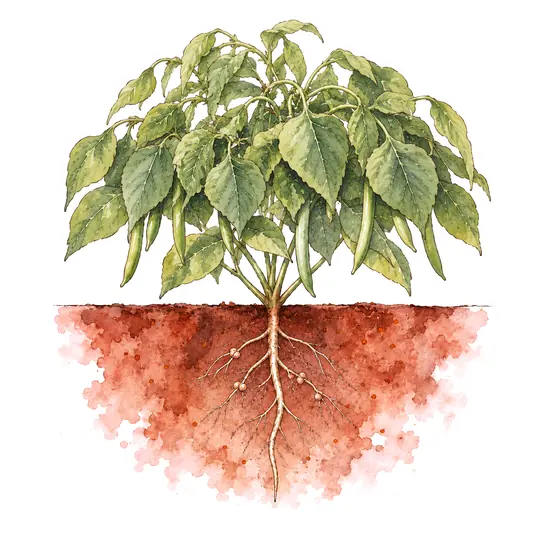
Nitrogen late
the same bean
nitrogen it can’t use by now goes into soft, sappy growth, not into the pods

In a tree crop, the finish isn’t the end of the year. Once the fruit is off, and before its next flowers, the tree needs back what it spent. The program builder’s avocado season ends that way.
When it matures, crop by crop
Where each crop in the program builder matures and comes off, and for how long. Each bar is a whole season, from sowing or planting to harvest, or a tree’s year. Build yours in the program builder.
-
Potatoes about 120 days
Maturation: about 20 days
-
Beans about 70 days
Maturity: about 10 days
-
Carrots about 120 days
Maturity: about 12 days
-
Onions about 180 days
Bulb filling and maturation: about 9 weeks
-
Poppies about 140 days
Ripening: about 15 days
-
Sweet corn about 90 days
Picking: about 6 days
-
Cotton about 180 days
Boll opening to picking: about 5 weeks
-
Wheat about 170 days
Ripening: about 15 days
-
Avocados a year
Autumn flush and oil · Harvest and recovery: about 4 months
-
Apples a year
Harvest: about 8 weeks
Where it fits in a program
- Know what your crop’s maturity is for: pods in spec, skins set, alkaloids, or whatever your market pays for.
- Work back from it. What the market pays for is set up in the stages before.
- Hold the nitrogen through the finish.
- Plan the harvest with the crop: a few days pushed or pulled can put it in spec when the harvester is free.
- Sap test at maturity too, so next season’s program starts from how this one finished.