
Start with the bale
Steve starts every crop with what the market wants. In cotton, it’s the lint, classed bale by bale. The class looks at how long the fibre is and how strong, its micronaire, a reading of how fine and how mature it is, its colour, and how much leaf and trash is through it. A bale that’s short, weak, too coarse or not mature enough, or stained by rain on the open bolls, is discounted.
So the profit isn’t only the bales to the hectare. It’s the bales that make their class: Steve’s recoveries, in fibre.
-
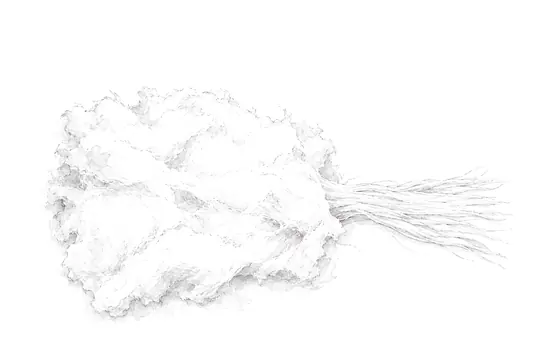
It makes its class
a sample from one bale
long fibre, white and clean
-
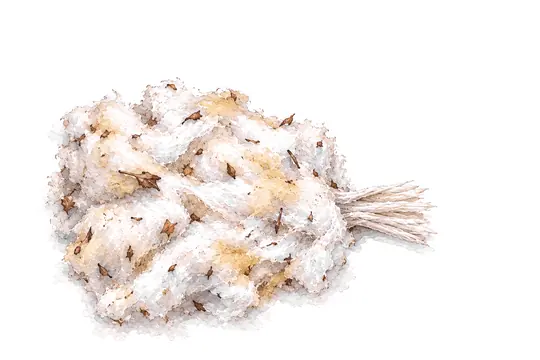
Instead, discounted
a sample from another bale
short fibre, stained by rain on the open bolls, with leaf and trash through it


A plant that fruits as it grows
Cotton is a shrub grown as a crop, and it doesn’t stop growing to fruit. It keeps adding nodes up its main stem. A node is where a leaf joins the stem. From about the fifth or sixth node up, each node puts out a fruiting branch. Each fruiting branch carries its fruit one position after another, and the first position, closest to the main stem, makes the biggest and surest boll. So the plant is building its frame and setting its crop at the same time.
That makes cotton a balance. Too much nitrogen and water, and it grows rank: tall, leafy and shedding its fruit. Too little, and it loads up early and stops growing before the crop is big enough. The crop you want grows steadily, and holds its fruit as it goes.
Nitrogen. Water.
-
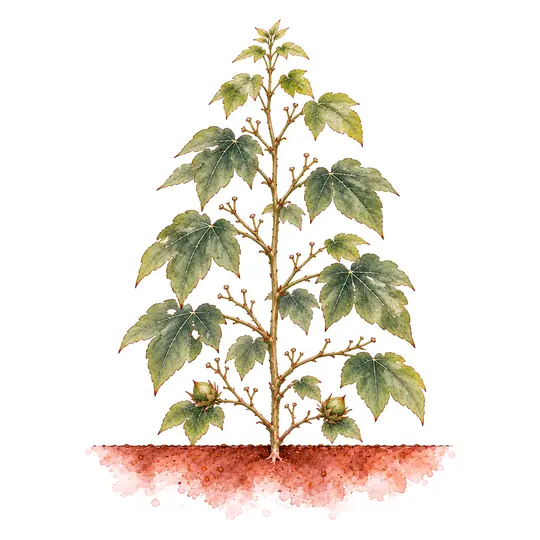
Rank
too much nitrogen and water
tall, leafy, and shedding its fruit
-
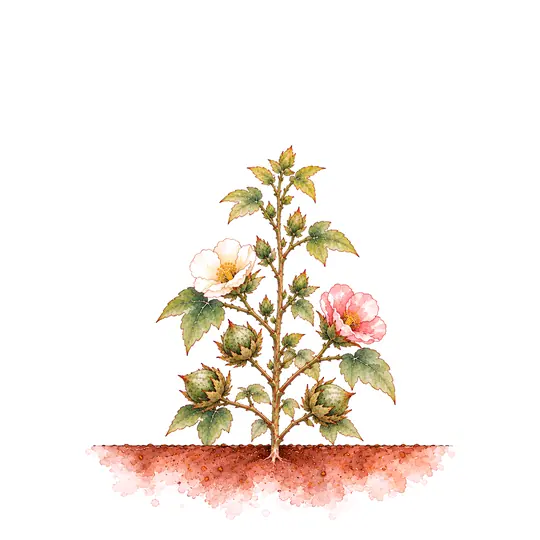
Steady
the crop you want
it grows steadily, and holds its fruit as it goes
-
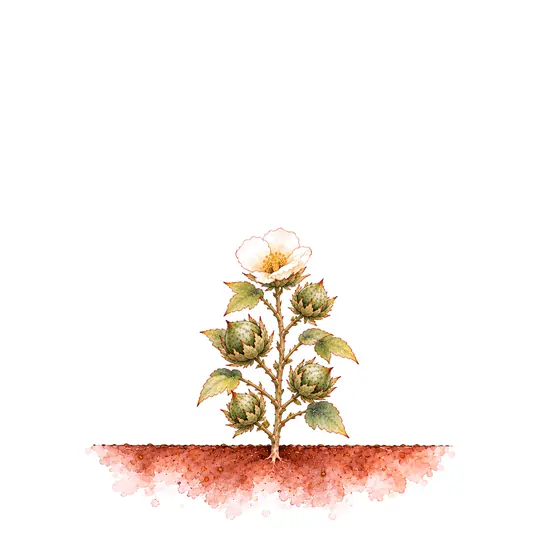
Loaded early
too little nitrogen and water
it loads up early, and stops growing before the crop is big enough


Squares: hold the fruit
The first fruit is a square: a flower bud wrapped in three frilly bracts. It takes about three weeks to flower. Every square held is a boll to be, but a cotton plant always sheds some, and under stress it sheds far more: a dry spell, a run of hot or cloudy days, rank growth, or insects. Nearly everything it sheds is a square, or a boll in its first two weeks. An older boll, it almost always keeps.
-
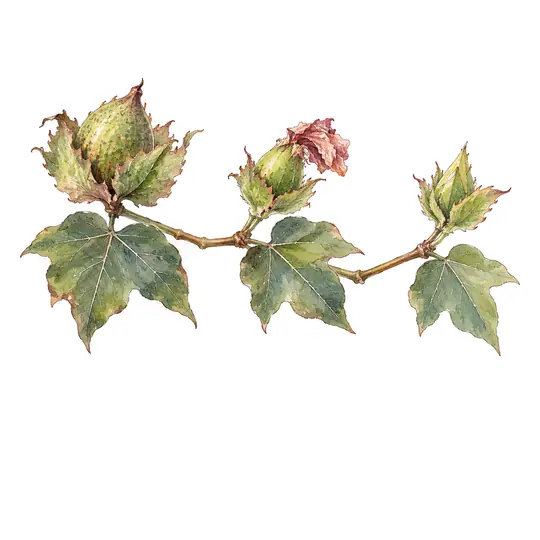
Holding its fruit
a fruiting branch
every square held is a boll to be
-
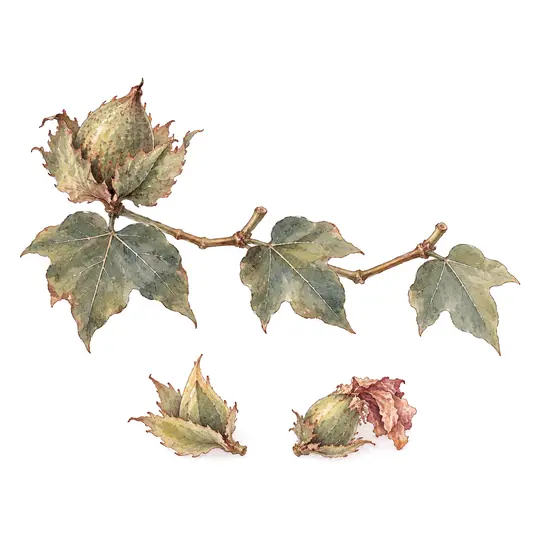
Under stress
the same branch, stressed (a dry spell, or hot or cloudy days)
it sheds the square and the young boll from the ringed stalks, and keeps the older one


Insects are one of those stresses. Mirids and caterpillars take squares and young bolls, and sap-suckers like aphids and whitefly crowd onto soft, lush growth. Steve’s question comes first: why is that pest there? A crop pushed rank with nitrogen is the one they find. The Pests and plant health page has more.
Squaring is where cotton starts to set its crop, and the foundation goes in for it: boron and calcium to help hold the squares, and silicon for tougher tissue. On each walk, count the first positions that still carry their fruit. That’s the crop’s retention, and it tells you early how the season is going.
Each fibre is a single cell
A cotton flower opens creamy white in the morning and is pollinated that day. By the next day it’s turned pink, and a few days later it drops, leaving a small green boll. Flowering starts at the bottom of the plant and climbs it, a node every few days.
Inside the boll, every fibre is one single cell, growing out of the seed’s coat. It starts on the day the flower opens. For about three weeks it grows long, and that sets the fibre’s length: a dry spell then means short fibre. Then it stops lengthening, and fills its wall with cellulose, layer on layer, until the boll opens. That sets its strength and its maturity. A boll opens about seven or eight weeks after its flower.
It’s Steve’s cell division idea, flower by flower. Each young boll makes its cells in its first weeks, and its fibres start the day it flowers. A crop flowers for five or six weeks, so the foundation has to be there the whole way through, not just at first flower.
-
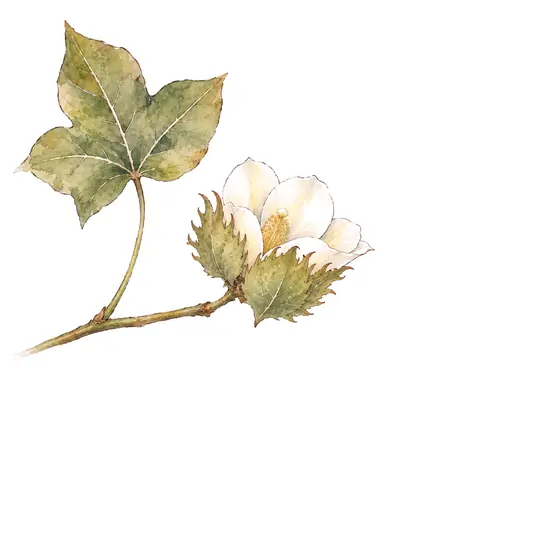
Flower
day one
pollinated the day it opens: its fibres start growing
-
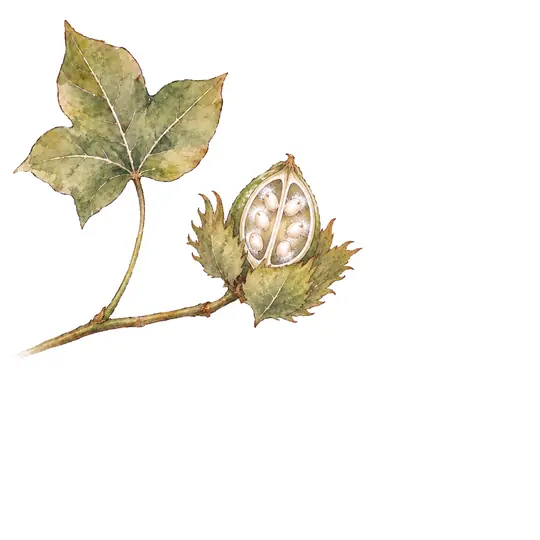
Young boll
the first three weeks
each fibre, one cell on a seed’s coat, grows long: this stage sets the fibre’s length
-
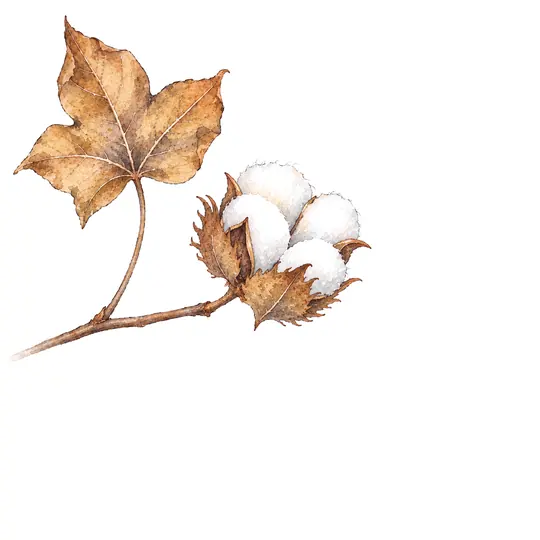
Open boll
seven to eight weeks after the flower
each fibre filled its wall with cellulose, layer on layer: this stage sets the fibre’s strength


From the day it flowers about three weeks growing long, then four or five weeks filling its wall with cellulose
Cut-out, and filling the bolls
As the bolls load up, flowering climbs closer to the top of the plant. When there are only four or five nodes left above the highest white flower in a first position, the plant has cut out: it stops adding fruit, and puts what it makes into the bolls it has. Count the nodes above the top white flower on each walk, and you’ll see cut-out coming.
-
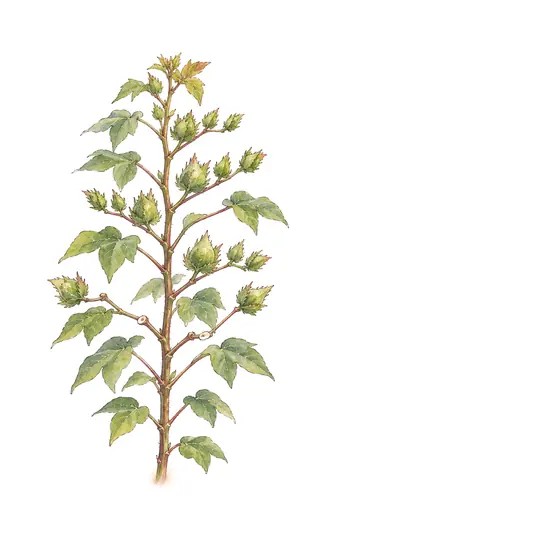
Squaring
count the first positions
the fruit closest to the main stem makes the biggest, surest boll: count how many still hold it
-
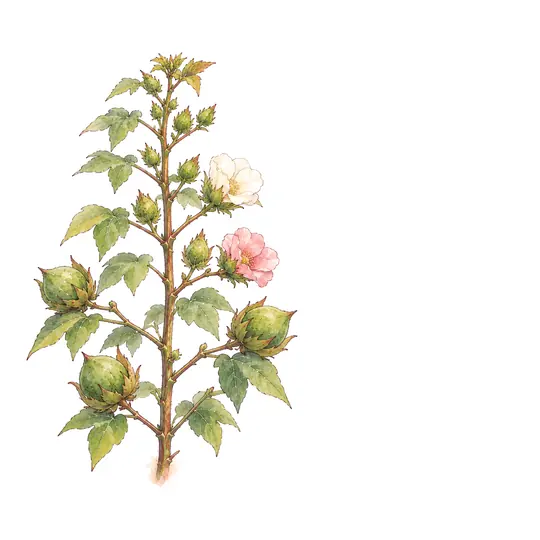
Cut-out, some weeks on
count the nodes above the top white flower
at four or five, the plant stops adding fruit and fills what it has


Now the plant has earned its potassium. It needs plenty, and the bolls are a big draw on it. Short of it, the leaves mottle yellow, then bronze and drop before the bolls are full. The bolls stay light, and the fibre can come out shorter and weaker. Magnesium and sulfur keep the leaves working to the end.
Opening, and a clean finish
The bolls open from the bottom of the plant up. What you want now is a crop that finishes: the top bolls filled and open, and the leaves ready to come off cleanly when it’s defoliated for picking. Late nitrogen works against all of it. It feeds new leafy growth, holds the top bolls back, and makes the leaves harder to get off. So hold the nitrogen at the finish, and get it picked before rain stains the lint.
Nitrogen.
-
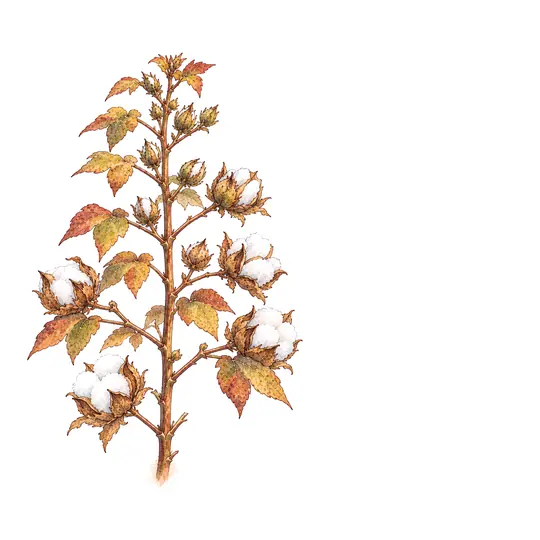
A clean finish
the nitrogen held back at the finish
the bolls open from the bottom up, the top ones fill and open, and the leaves are ready to come off cleanly
-
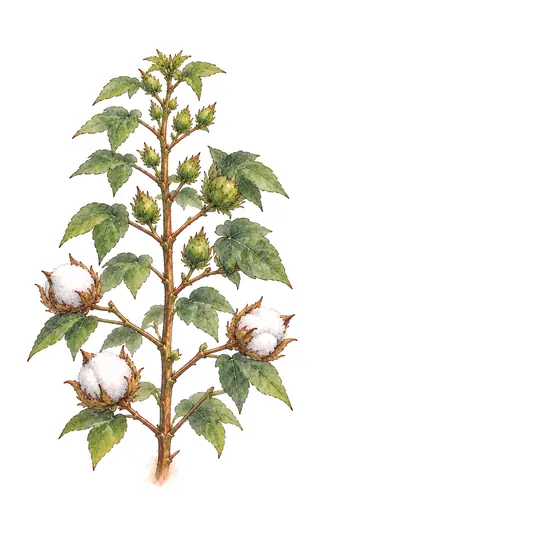
Late nitrogen
it feeds new leafy growth, holds the top bolls back, and makes the leaves harder to get off


The season at a glance
About 180 days from planting. The days are a guide: the crop’s stage is the clock. Build yours in the program builder.
-
1 · Planting to establishment days 0–20
An even stand in cool spring soil: roots down before the tops take off.
How you know it’s here The seedlings are up, with two round seed leaves, then the first true leaf.
What matters most: PhosphorusZincCalcium
-
2 · Early growth to first square days 20–45
Build the frame: the nodes and fruiting branches that will carry the crop.
How you know it’s here True leaves come one node at a time up the main stem, with no squares yet.
-
3 · Squaring days 45–65Sap test
Every square held is a boll to be. Boron and calcium on time help hold them.
How you know it’s here The first squares show: tiny flower buds, each wrapped in three frilly bracts.
-
4 · Flowering and boll set days 65–100Sap testCell division
Cells divide in each young boll in its first weeks, flower by flower. Keep the foundation there right through, and have the nitrogen on by peak flowering.
How you know it’s here The first flowers open creamy white, low on the plant. They turn pink the next day, and drop to leave a small boll.
-
5 · Boll fill days 100–145
Fill the bolls. The plant has earned its potassium now, and it needs plenty of it.
How you know it’s here The flowering has climbed to the top of the plant and slowed: that’s cut-out. The bolls are filling.
-
6 · Boll opening to picking days 145–180
Let the top bolls finish and open. Hold the nitrogen: this late, it only feeds regrowth.
How you know it’s here The first bolls crack open, from the bottom of the plant up, showing white lint.
Where it fits in a program
- Know what your bales are classed on, and what cost you last season: length, strength, micronaire or colour.
- Build the frame early: an even stand, and a plant growing steadily into its fruiting branches.
- Have boron, calcium and silicon in by first square, and keep the foundation coming right through flowering.
- Feed the growth the fruit can carry, and no more: rank growth sheds fruit.
- Save potassium for when the bolls fill. By then the crop has earned it, and it needs plenty.
- On each walk, count the first positions holding fruit, and the nodes above the top white flower. Sap test from first square and through flowering, while there’s still time to act.
“Build the foundations, build the house, fill it with potassium. Now you’ve got yield and quality.”