About
From the farmer's side of the fence.
Steve Martin is a farmer who advises farmers. What he teaches is what he's had to work out for himself: plain talk, real paddocks, and usually an analogy.

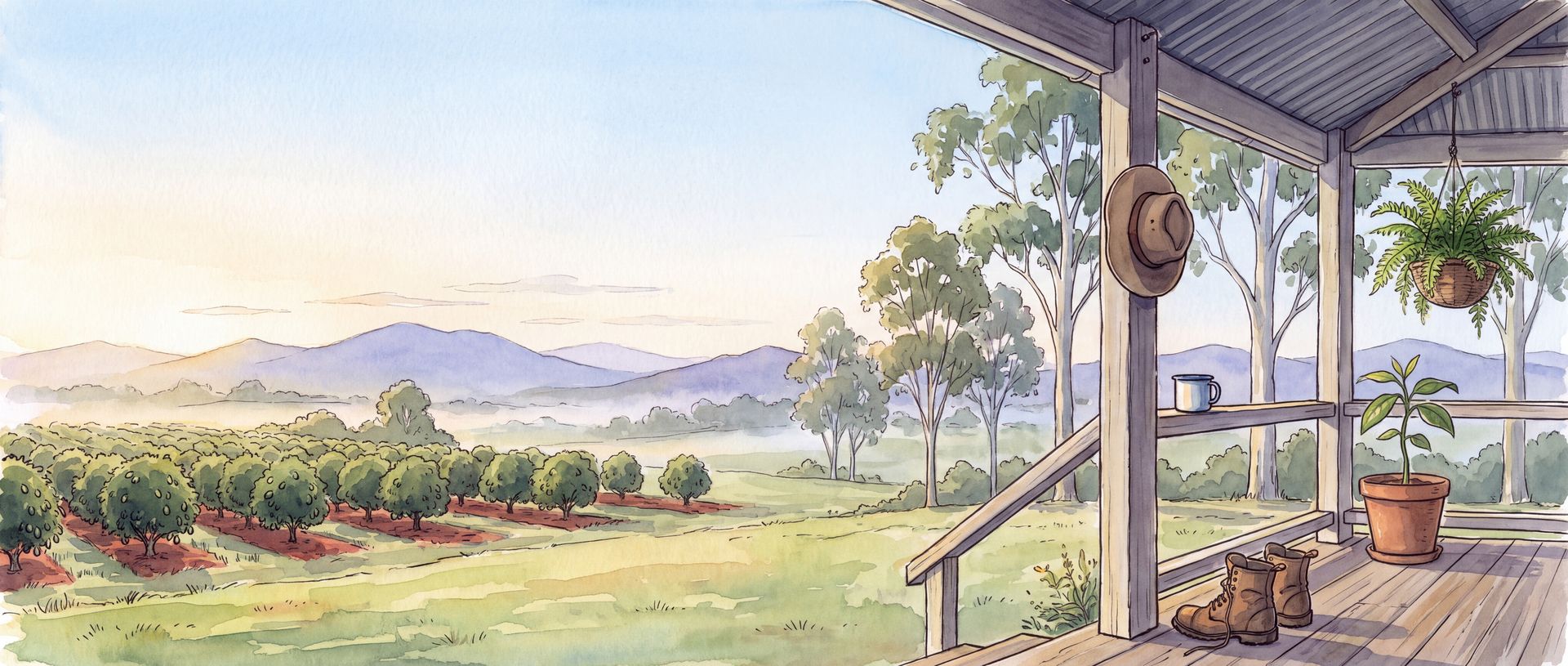
the real Steve,
not a painting
Meet Steve
Farmer first. Then teacher.
Steve is an organic farmer and a regenerative ag consultant. He works with growers of everything from potatoes and carrots to avocados and apples.
He'll tell you he's a visual, practical learner: if he can do it and see how it works, it sticks. So that's how he teaches: plain words, one thing to take home, and an analogy you'll remember next time you're in the paddock.
“It's all the things that I missed out as a farmer.”
Why he does it
A farm worth handing on.
He's blunt about why he does it. A grower who isn't making money won't be farming next year, so the program has to pay. What drives him isn't the dollar figure, though. It's succession: growers who succeed, and farms they can hand on to their kids.

What he believes
Four things Steve keeps coming back to.
-
1
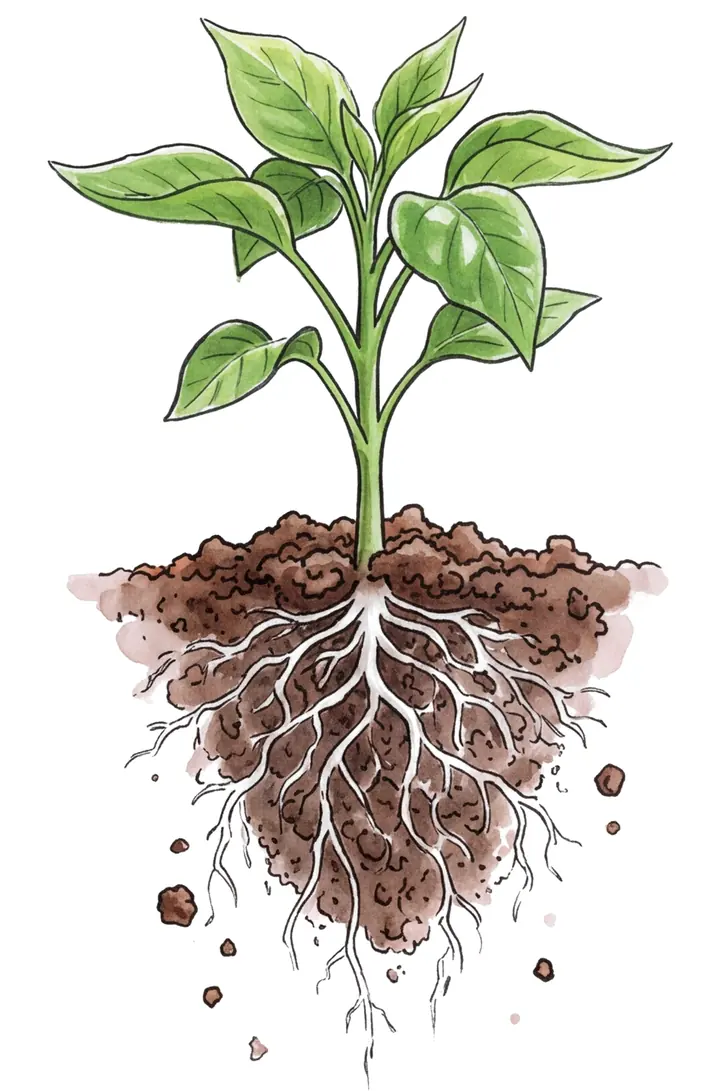
“The scorecard for health is your plant.”
Plenty of programs start with a soil test and a recipe for the bag. Steve starts with the plant. Get the plant healthy and the soil follows.
“If you want your soil to change, you got to put a plant in there.”
-
2
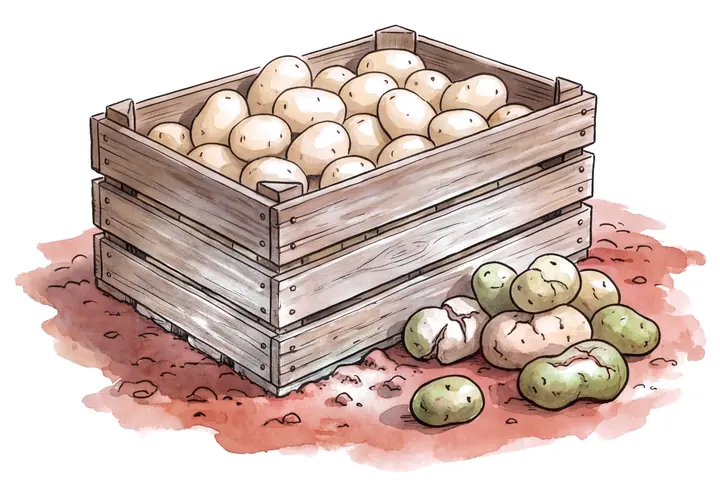
“Yield is not necessarily the profit. It's the recoveries on the yield.”
A big crop only pays if it makes it through the grader. Steve pulls two levers: the yield lever and the quality lever.
-
3
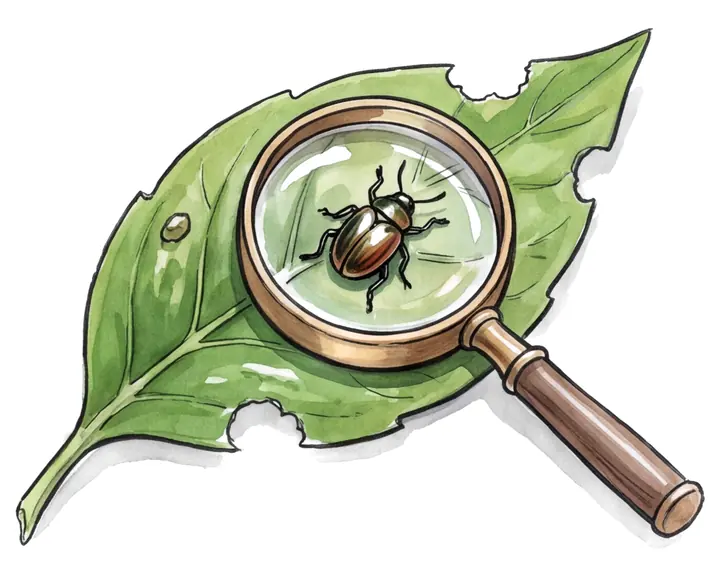
“Why is that pest there?”
Before you reach for the spray, ask what the pest is telling you. Steve reads pests and disease as a sign of how the plant is going, not just something to kill.
-
4
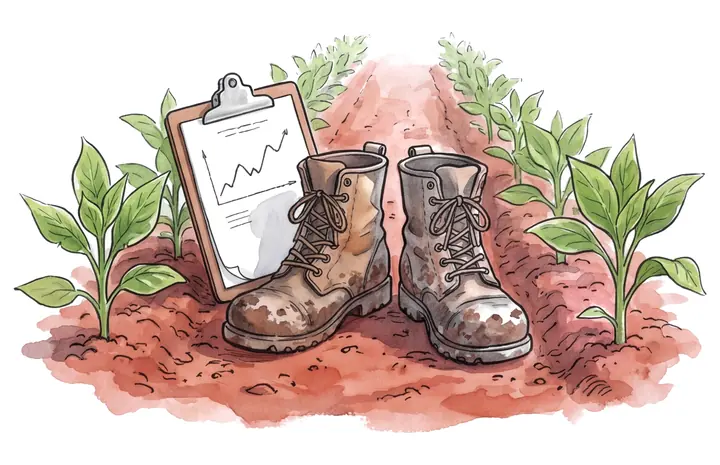
“Trust the data, but stay in the field.”
One sap test is a single number. Steve asks how it's shifting across the season, then goes and looks at the crop.


The name
Why Quorum?
In nature, bacteria pass chemical signals to each other. One on its own changes nothing. When enough of them are signalling, they act together. Biologists call that tipping point a quorum.
It goes on around every root, too. The plant feeds the microbes living there, they feed it in return, and signals pass between them all the time. Quorum Ag is named for that partnership: roots, microbes and the plant.
Steve reckons farming works the same way. Growers, advisers and researchers each see a bit of the picture. Put enough of it together and you know what to do next.
That’s why there’s a handshake in our mark. It’s what a quorum looks like from a distance: agreement, and working together.
Meet QuorumAIWork with Steve
Three ways to get Steve in your paddock.
-
-
-


Or just drop Steve a line.