Programs
Plan the season around its critical stages.
Every stage of a crop's life shapes the crop it's going to be, and each one needs something different. Steve calls them critical stages of influence. A CSI program gets the right nutrition to each one, on time.
Critical stages of influence
Every stage is a critical stage.
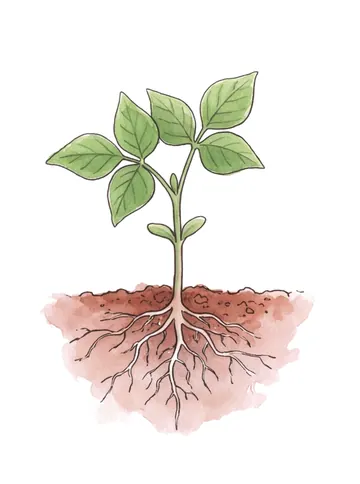
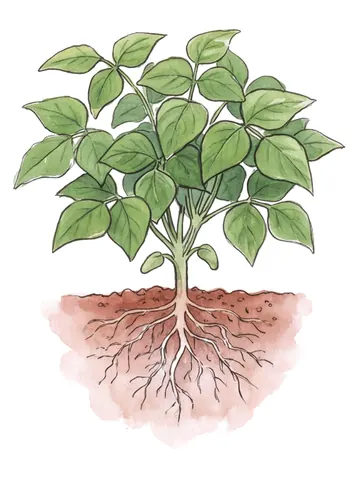
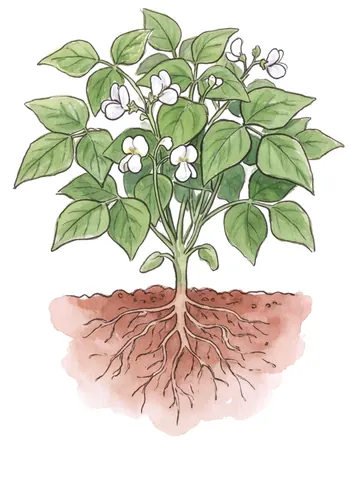
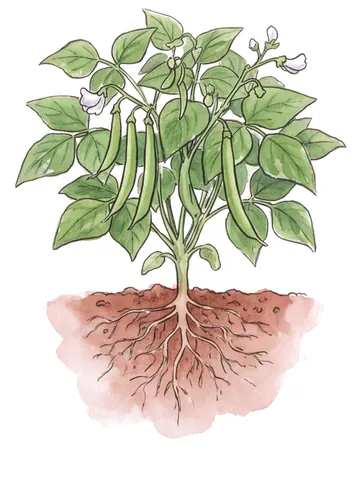
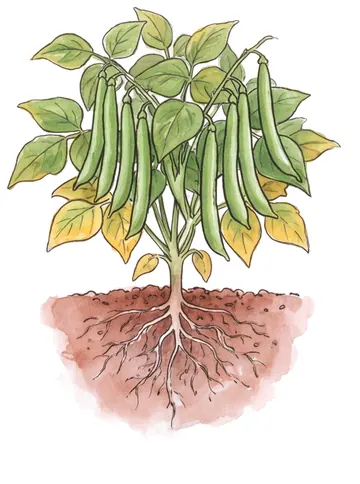
A crop doesn't need the same thing all season. Each stage settles something: how the roots set up, how many flowers hold, how many pods set, how many cells the harvest is built from. Miss what one needs and most of it can't be won back. Be ready before each one, and the season follows.


Three ways
Three ways to get yours.
However you get there, it's the same thinking: what the crop needs at each stage first, then everything else in its place.
-
-
-


What's in a program
One season on a page.
What goes on, how, when and why, on one page. Everyone from the farm manager to whoever's on the spray rig can see why each pass is there.
The stages, on your dates
Your crop's season, laid out stage by stage from the day you sow or plant.
Every stage, numbered
Each one is a critical stage, so each pass goes on before its window, not after it.
Every pass, and why it's there
What goes on and how, at planting, in the soil, through the drippers or on the leaf. Use the products you already have in the shed.
Sap tests before the windows
Timed so there's still time to adjust before the next stage.
The why, right beside it
The wiki sits next to the builder, for the reason behind a stage. Members get QuorumAI beside it too.
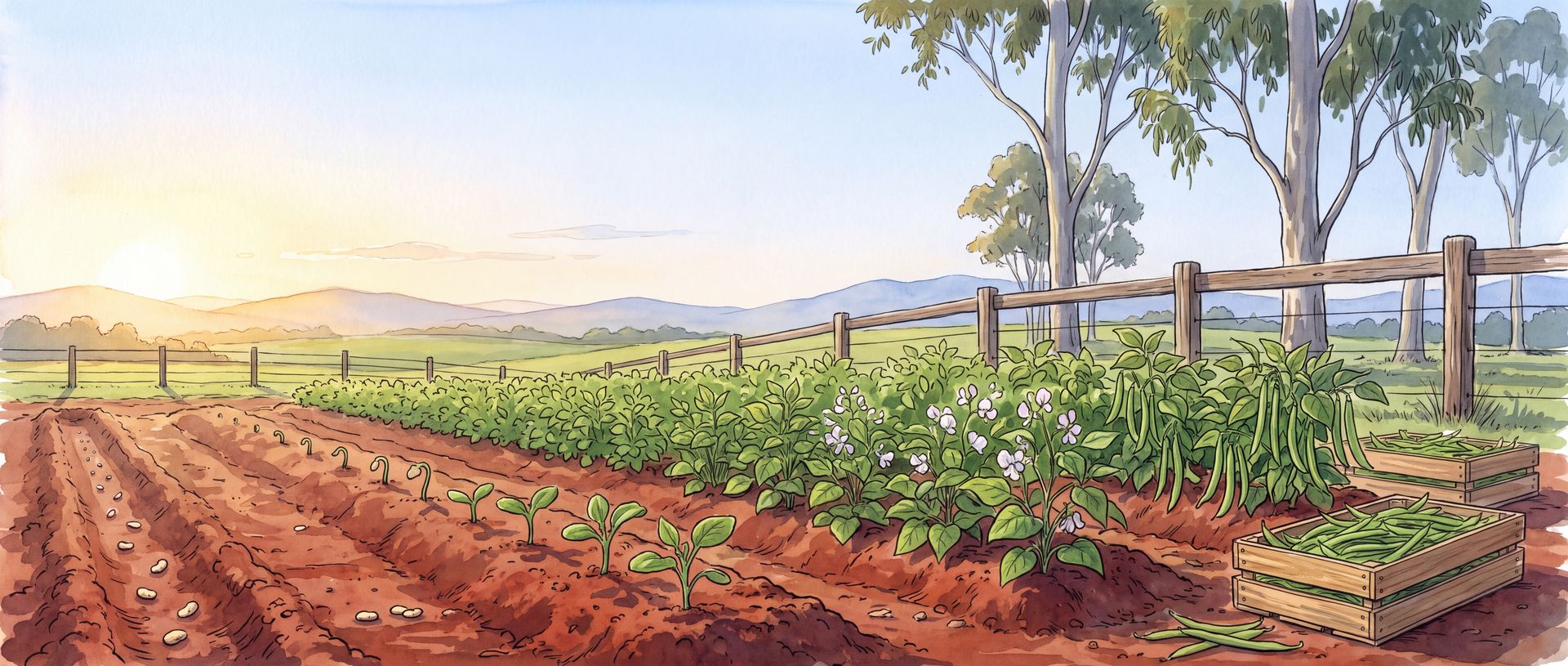
Beans, by the day
Example · not advice for your crop- 0At sowing. Phosphorus and zinc, for the roots and the nodules.
- 12On the leaf. Calcium and boron, for a dense, upright frame.
- 17Sap test. A look inside the plant before the buds form.
- 18On the leaf. Manganese for the engine, molybdenum for the nodules.
- 26On the leaf. Calcium and boron: the foundation goes in before flowering.
- 31Sap test. Another look, as it flowers.
- 34On the leaf. Manganese and molybdenum through flowering, zinc and copper as the cells divide.
- 37On the leaf. Silicon, in a tank of its own.
- 41Sap test. As the cells divide: is the calcium keeping up?
- 44On the leaf. Calcium into the young pods.
- 51On the leaf. The pods are set: now potassium and magnesium, with the foundation in, and copper for firm skins.
- 57Sap test. As the pods fill.
The builder adds the products, the rates and the season's totals, and prints it for the shed wall.
Crops
Nine crops to start, families for the rest.
Each crop has its own stages, and the builder starts from them. The potatoes, onions, apples and beans are Steve’s own programs, and the rest are drafts. Growing something else? Start from its family, from leafy greens and summer grains to sugarcane and tree nuts, or from stages that fit any crop. Then move and rename the stages to suit your variety and district.
-
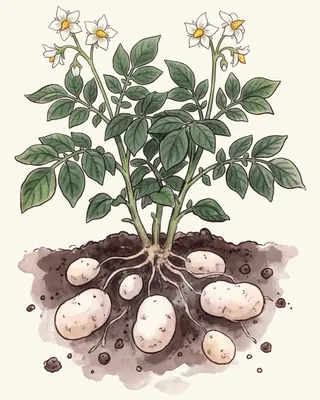
Potatoes
Steve’s program planting to maturity
-
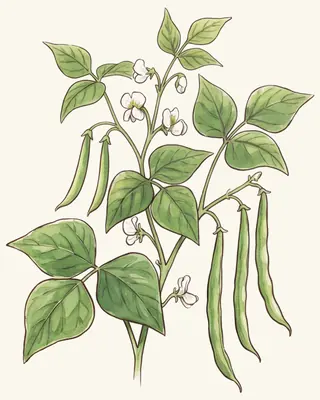
Beans
Steve’s program sowing to harvest
-
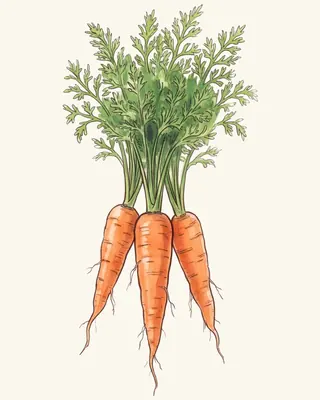
Carrots
Our template sowing to maturity
-
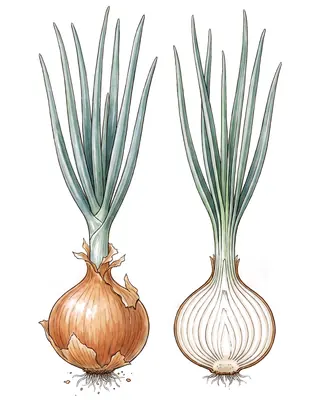
Onions
Steve’s program sowing to maturity
-
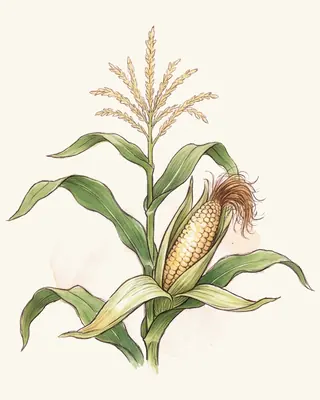
Sweet corn
Our template sowing to picking
-
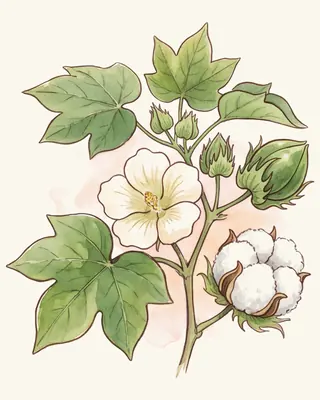
Cotton
Our template planting to picking
-
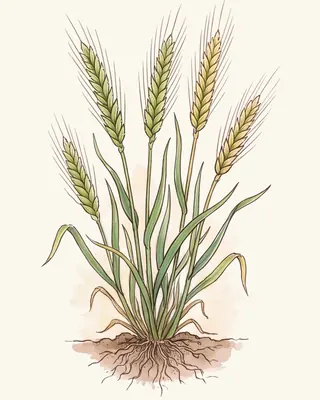
Wheat
Our template sowing to ripening
-
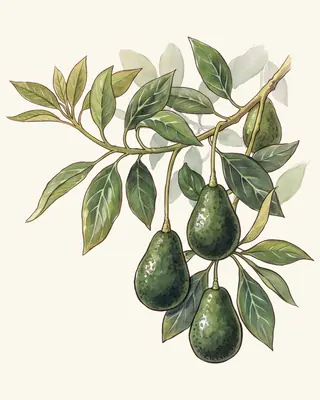
Avocados
Our template a year, flower buds to harvest
-
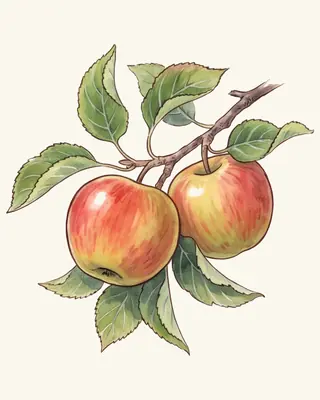
Apples
Steve’s program a year, leaf drop to harvest
-
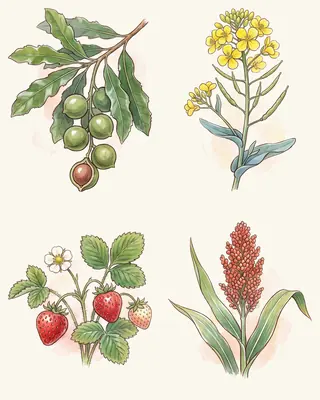
Build your own
Start from its family, or stages that fit any crop


Still not close enough? Tell Steve what you grow.
Two of Steve’s programs are books.
His onion and apple programs: a season stage by stage, in his own words, to keep and to print for the shed.
The CSI Onion Program
A 150 to 180 day season, from germination to the storage gate before the shed door closes. Built around calcium at bulb initiation, when the number of cells, and so the size the bulbs can reach, is set.
Ask for a copyThe CSI Apple Program
The whole year, starting the day the last apple leaves the tree, when the winter wash builds the reserves next spring runs on. With the fruit-tissue storage gate, and the year as a poster across two pages.
Ask for a copy
Your season
Start with the stages.
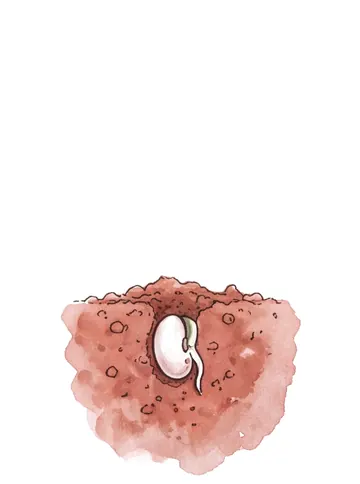
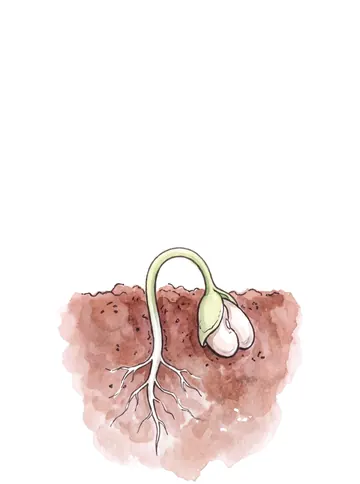
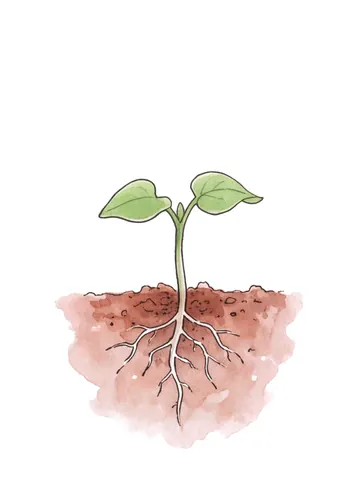
The course teaches the thinking, one bean plant from seed to harvest, and the program builder puts it to work on your own crop.
Or start with your own farm: take your free farm audit, and your first month in the hub is on us.