
Concrete first
It’s the picture Steve keeps coming back to with growers: grow a crop the way you’d build a house. First you pour the foundation, and the concrete is calcium, boron and silicon, the minerals he calls the three amigos. Out on his own is the lone wolf, Mr Potassium. He comes later.
In the plant, the concrete is the strength of the cells. Calcium is the glue between them, boron ties their walls together, and silicon sets them hard. Each has its own page.
Calcium. Boron. Silicon. Calcium, the glue between cells. Boron, tying the walls. Silicon, laid down as glass.
-
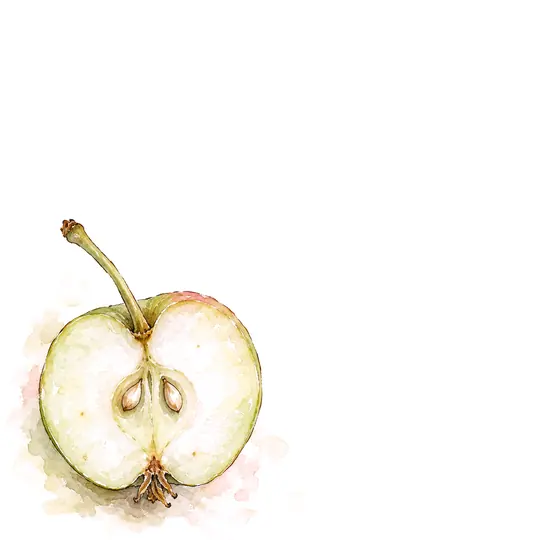
The concrete, in the cells
a young apple, cut open: skin and flesh, magnified
calcium glues cells together, boron ties cell walls, and silicon sets walls hard

Three jobs, one team
Most books file them apart. Calcium is a major nutrient, boron a trace element, and silicon useful but not essential. In a living plant, they work as one system. Each does a job on its own. Together they build the plant and defend it.
- Calcium is the cement. It holds the walls up.
- Boron is the mason. It gets the cement to where it’s needed, and sets it in place.
- Silicon is the scaffolding, and the lining of the pipes. It stiffens the walls and turns the plant into a fortress against pests and disease.
Cement without a mason just sits in the truck. Scaffolding without cement falls down. That’s why they’re amigos, not just three ingredients: each one makes the other two work better.
Each on its own
Calcium glues the cells together. It ties the pectin in the thin layer between neighbouring cells, so the tissue is firm rather than soft and watery. It keeps the cells’ skins whole, and new cells can’t form without it, so no calcium at a growing tip means no new root or shoot. It builds short, tight growth on thick stems: the opposite of the long, sappy growth that a lot of nitrogen and potassium push. And it gathers where cells are dividing: root tips, shoot tips and young fruit.
Calcium only goes where the water goes, and once it’s laid down it stays. So when it runs short, the tips that need it most go without: the root tips stop growing, quietly, long before anything shows above ground.
Short of it, you see blossom-end rot in tomatoes and capsicums, bitter pit in apples, hollow heart and soft tubers in potatoes, tip burn in lettuce, soft onions, cavity spot in carrots, and weak stems. They aren’t different problems. They’re one problem, calcium not reaching the young tissue, showing up in different places.
Boron is the mover. In this school’s teaching, it’s what gets calcium moving: out of the soil, into the plant, and to where it’s needed. It doesn’t carry the calcium itself. It unlocks it and sees it through. It also moves sugar out of the leaf to where it’s used: the grain, the fruit and the roots. Overnight and into the morning, a healthy plant sends a good share of yesterday’s sugars down to its roots. Short of boron, that flow stalls, so a leaf that’s still high in Brix first thing in the morning can be a bad sign: the sugars never left.
Boron is how a flower becomes a fruit. A growing pollen tube needs far more boron than the rest of the plant, and short of it, the tube can’t reach the ovary, so the flower doesn’t set. Boron is in the plant’s hormones and in cell division too. In most crops it stays where it lands, and once it has done its job it can’t be used again, so the crop needs a steady supply all season. (Apples, pears and stone fruit can move a little in their sap, but not enough to lean on.) Short of it, you see hollow stems in lucerne, brassicas and celery, corky flesh in apples, flowers that drop, poor fruit set, and cracked or misshapen roots and tubers.
Silicon is the most underrated mineral on the farm. The plant takes it up dissolved, it rides up in the water, and then it’s laid down as glass: tiny deposits of silica in the cell walls, on the leaf’s surface and in the pipes. That glass keeps the plant standing, even on a lot of nitrogen, and holds its leaves up to the light. It wears down chewing insects’ jaws and makes the leaf hard to pierce. It’s a barrier against fungi, like blast in rice and powdery mildew in cereals. It helps the plant through drought, heat and an unbalanced soil. And it lines the pipes, so they don’t collapse when the plant is short of water.
Not every crop takes up the same amount. Grasses, cereals and sugarcane are big silicon gatherers: several in every hundred parts of their dry weight, and rice up to ten. Broadleaf crops and legumes hold well under one. Calcium and boron go the other way: broadleaf crops and legumes need more of them. So the three amigos matter to every crop, just in different measure.
Better together
This is where the amigos earn their name. Each pair does something neither could do alone.
Calcium and boron: the great sucking sound. When a crop grows fast, especially on a lot of nitrate, its leaves make a flood of organic acids. The acids need minerals like potassium, magnesium and calcium to balance them, and calcium is the one they want most. So calcium is pulled into the leaves, away from the fruit, the tubers and the root tips. Bitter pit, blossom-end rot and hollow heart are that same theft in different places. Boron quiets it. With enough boron in the plant, the leaves can’t hoard the calcium, and it stays where it’s needed. That’s why boron fixes calcium problems: it doesn’t add calcium, it stops the plant’s own calcium being stolen.
The two need balance in the soil too. Boron gets calcium moving, but too much calcium, or too much potash, holds boron back. Calcium brings the material, and boron brings the movement. Too much of either, and they stop working together.
Boron and silicon: cousins in the wall. Boric acid and silicic acid are near twins: both very weak acids, both taken up with the water through related channels in the root, both useful only once they’re laid down in the cell wall. And they do their work in the same place. Boron ties the wall’s pectin together, so the cells hold together and bend without breaking. Silicon fills in around it with hard glass, so they can’t be bent or pierced. A wall needs both to be strong and supple at once.
Against pests, they work from two sides. Boron feeds the protective compounds that put insects off from the inside, in the plant’s own chemistry. Silicon is the physical barrier outside, wearing down jaws and blocking the mouthparts that pierce. Between them they cover both ways in.
Silicon and calcium: strong walls, open pipes. Calcium gives the cell wall its strength. Silicon is laid down in those walls, and in the pipes that carry water up the plant, so they stay stiff and open when the plant is under stress. Short of silicon, the pipes can crimp and pinch off in a drought or a hot afternoon. And since calcium rides almost entirely in that water, open pipes mean calcium reaches the growing tips. Silicon doesn’t just stand beside calcium. It keeps the plumbing sound, so calcium gets there.
How boron affects silicon in the soil is still being worked out. In the plant, the result is the one this school works for: stronger pipes, sap that flows freely, and calcium that reaches the fruit and the growing tips.
All three: the whole circuit. Put them together, and it’s one loop:
- Boron gets calcium moving, and stops the leaves stealing it back.
- Calcium builds strong, dense cell walls, and lets the tips keep dividing.
- Silicon lines the pipes and stiffens the walls, so water, and the calcium in it, flows freely to every growing point.
- Boron then carries the leaf’s sugars back down to the roots, and closes the loop.
A plant with all three is better built, better plumbed and better defended at once. That isn’t three benefits. It’s one state of health.
Get the timing right
A foundation isn’t poured any old time. For Steve, a critical thing from a farmer’s perspective is understanding the timing: the window when the young fruit, pod or tuber divides its cells. Once the timing’s right, the question, as he puts it, is “how do we build our foundation of that cell density?”
The window isn’t long, and it isn’t the same in every crop. In beans, Steve says, it’s more like seven days, or even three or four days. In orchard crops like limes and avocados, it’s probably more like three to four weeks. In potatoes it starts when the stolon tips hook. The Cell division windows page has more.
“Here’s a critical thing from a farmer’s perspective: understanding what is that frame, that timing.”
You see it in the fruit, Steve says: in its quality and density. A fruit of 2,000 cells, or one of 1,000.
A fruit makes most of its cells in the window. After that it grows mostly by filling them. A few crops, like avocados and potatoes, keep adding cells more slowly as they grow. So a fruit of 2,000 cells has twice the structure to fill: it can size up and stay firm, where one of 1,000 has to stretch its cells to get there. That’s sizing and bulking. A real fruit has millions of cells. The 2,000 and the 1,000 stand for the ratio: twice as many.
-
Twice the cells
made early, in the window, then filled
twice the structure to fill: it can size up and stay firm
-
Half as many
the same size of fruit
instead, it has to stretch its cells to get there
Change the recipe in the bag
This is how Steve puts it to growers: “Go and get some concrete, change the recipe in the bag,” and see how your foundation goes. Calcium, boron and silicon are the recipe. Then he brings in Mr Potassium: “Why don’t you throw some potassium in that mix and see how the foundation works?”
Then he asks what they put on around flowering. Some potassium sulphate and some calcium nitrate, says one. “What did you do to the foundation?” he says. And the farmer goes, “Oh, no one’s ever told me that before. You just told me practically what I’ve been doing for 30 years that is hindering that foundation.”
So he takes them back to their own house. Build a concrete foundation, mess with it a little, and would you build a house on it? Straight away they go, “Oh, no, it’s weak.”
Here’s part of why. Potassium competes with calcium and magnesium to get into the root. A lot of potassium while the cells are dividing can mean less calcium going in, just when the young fruit needs it most.
Calcium. Boron. Silicon. Potassium. A door into the root. Held back at the door.
-
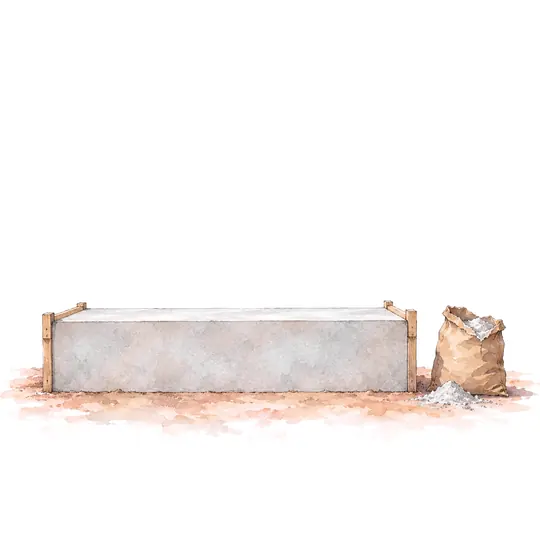
Change the recipe
potassium on while the cells divide
calcium, boron and silicon are the recipe: now throw a lot of potassium in the mix
-
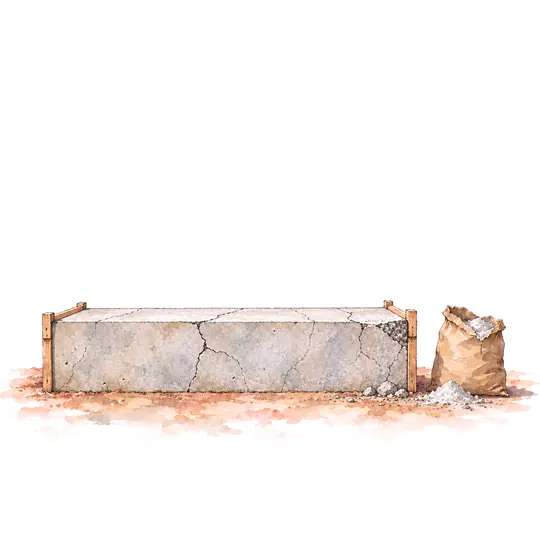
Would you build on it?
mess with the recipe, and the foundation’s weak
-
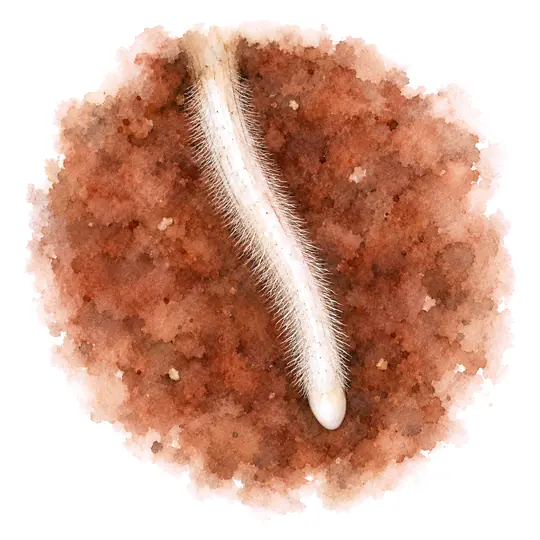
Part of why: at the root
while the young fruit’s cells divide
potassium takes the doors, and less calcium gets in, just when the young fruit needs it most


Build the house, then fill it
Steve’s order is simple: build the foundations, build the house, then fill it with potassium. Now, he says, you’ve got yield and quality.
Calcium. Boron. Silicon. Potassium.
-
The foundation
the three amigos
poured first, while the crop’s cells are dividing
-
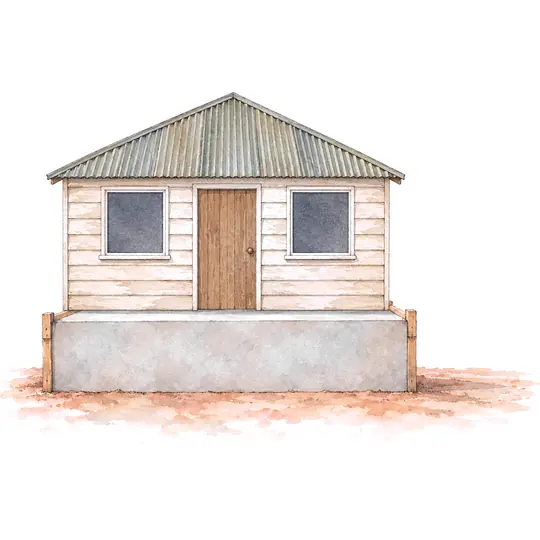
The house
the crop’s frame
the plant builds its frame on strong cells
-
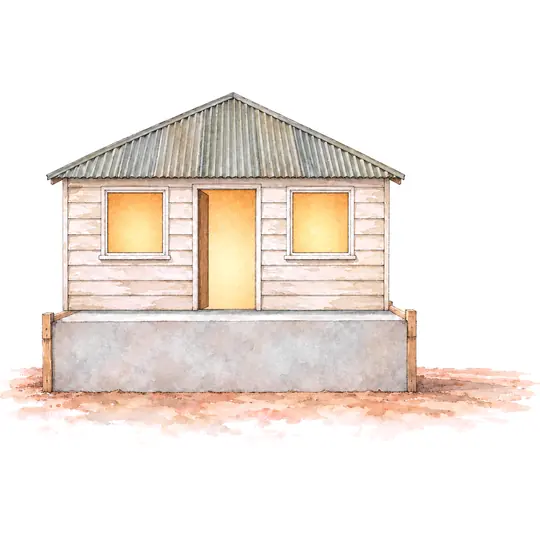
Fill it
with potassium
now the potassium has a house to fill: yield and quality


Potassium is how you bulk the crop up, when it’s needed. His point is when it goes on: once there’s a house to fill. “Earn the right to use potassium,” he says. “Don’t put it out there previously.” The Potassium page has more.
Manganese, their partner
Silicon keeps the sap flowing. Here’s why that matters for disease. Manganese is the plant’s defence engineer, on site, and it can’t get anywhere by itself. When a fungus breaks into a cell, the plant has three jobs to do right there, and manganese is in all three:
- Make its defences. Manganese switches on the plant’s line of enzymes that turns sugars into lignin, its own antibiotics and the compounds that harden its walls.
- Wall off the break. The plant plugs the fungus’s way in with hard lignin. That needs manganese and copper at the spot. In wheat, enough manganese markedly cuts how far take-all gets into the roots’ pipes.
- Run the burn. The plant floods the spot with reactive oxygen to attack the invader. Manganese enzymes help turn that oxygen into peroxide, and others use the peroxide to set the lignin in the wall. It’s a controlled burn, and manganese helps run both the attack and the clean-up.
The catch: like calcium and boron, manganese can’t move once it’s laid down. It comes up from the roots in the water, and the plant can’t send it from an old leaf to a new break-in. It has to be flowing there already. That’s where silicon earns its keep. Without silicon, manganese gathers in scattered spots across the leaf. With it, manganese spreads evenly, so it’s there wherever a fungus tries to get in. Silicon also switches on the same line of enzymes that manganese runs. Silicon is the courier, and manganese the engineer.
Manganese is where the plant’s energy starts, too. The first step of photosynthesis splits water to take its electrons. That’s done by a tiny cluster of four manganese atoms and one of calcium. No manganese, no water split: no oxygen, no energy and no sugar to build with. And there’s calcium again, right at the start of it all, behind the energy for every bit of growth and defence that follows.
A leaf test looks back. A sap test looks ahead.
Calcium and boron run short without warning, right up until the fruit cracks or the flowers drop. It comes down to one word: mobility. Nitrogen, phosphorus and potassium move freely. A plant short of them robs its old leaves to feed the new growth. Calcium, boron and manganese can’t. They ride up in the water, and where they land, they stay. The only way a new leaf, a flower or a young fruit gets them is a fresh supply from the roots, or a spray that lands on it. The old leaves can be full of calcium and boron, and it does the new growth no good at all.
A standard leaf test grinds up a leaf, usually a mature one, and measures everything in it, including what’s built into its walls. So it measures what’s already been laid down, not what’s flowing to where the plant needs it now. The old leaf reads “sufficient”, and it’s telling the truth about that one old leaf, while the pollen tube fails and the tomato three trusses up gets blossom-end rot. Manganese is the same: plenty in the old leaf, and none where the fungus is getting in. A leaf test is a picture of the past, taken in the one place that can’t give anything back.
A sap test changes two things. It measures what’s dissolved in the leaf’s sap, what’s moving now, not what’s locked in the walls: a blood test, not a look at the skin. And it reads the old leaf against the new. The old leaf is a record of what was there when it grew. The new leaf is what’s there today. For calcium and boron, a new leaf well under the old one means the supply is falling, because the plant can’t top the new leaf up from the old. That gap is the early warning, often weeks before anything shows. A leaf test only catches it once the bitter pit, the hollow stem or the dropped flower is there, too late for this season’s set.
So the spray before flowering makes sense. Flowers, pollen tubes and young fruit are the last stop on calcium and boron’s route, and the old leaves can’t feed them. A sap test shows the new leaf running short days to weeks before flowering: the window when a spray of calcium and boron, with manganese if the test shows it short, still saves the set. Managing calcium and boron by leaf test is driving with your eyes on the rear-view mirror. The sap test turns you round to face the road.
Three lines of defence
The amigos sit inside the plant’s signals, not just its walls. A growth hormone, auxin, can only stretch a cell if the calcium-set wall gives a little, in a controlled way. Calcium is the brake that keeps hormone-driven growth orderly, not runaway and leggy. Under stress, protein breaks down to ammonia, which sets off ethylene, the ageing hormone. Ethylene switches on enzymes that eat cell walls: soft fruit, hollow heart, poor storage, and a way in for disease. Calcium and boron hold that back together. Boron keeps the calcium where it is, and calcium-set walls resist being eaten. Silicon makes the wall harder to chew through. Fewer wall-eating enzymes means less disease, and longer storage and shelf life.
Boron feeds the plant’s own protective compounds, its chemical immune system. Silicon primes it, a little like a vaccine: a plant with silicon in its walls answers faster and harder when a disease arrives. Together, they build the defence in layers, before the spray rig is needed:
- Chewing insects (caterpillars, borers, beetles). Boron: compounds that put them off. Silicon: wears down their jaws, and the leaf is gritty to eat. Calcium: thicker, denser walls.
- Sucking pests (aphids, leafhoppers, thrips, and mites, which aren’t insects but feed the same way). Boron: compounds that repel them. Silicon: blocks the mouthparts that pierce. Calcium: walls that are harder to pierce.
- Fungal disease (mildews, rusts, blast). Boron: backs the plant’s own defences. Silicon: a glass barrier on the leaf. Calcium: a strong layer between the cells, which the fungus’s enzymes can’t eat through.
- Lodging and weak stems. Silicon: stiff pipes and a stiff skin. Calcium: thick stems, high in carbon.
Pests and disease often follow the very mineral that’s short. A leafhopper outbreak on lucerne in a dry spell is often a boron problem underneath: when the water stops flowing, boron stops coming in. Fix the flow, and the pest problem often fixes itself. The plant just stops being good to eat, or easy to get into. The Pests page has more.
Beyond the crop
- Fix the flow, not just the dose. Boron moving calcium, sugar going to the roots, silicon riding up in the water, sap reaching the fruit: it’s all movement. This way of farming is about getting water, minerals, carbon and sugar moving through the soil and the plant, not just putting more on. The three amigos are the minerals of flow.
- Carbon follows them. Boron sends the leaf’s sugars down to the roots, the roots feed them to the soil’s life, and the life builds lasting organic matter. Good calcium, boron and silicon run a carbon pump from the top of the plant into the soil.
- Balance beats brute force. Too much calcium holds boron back, and so does too much potash. It’s the ratios and the relationships that count, not the tonnes. Piling on calcium without boron makes the shortage worse.
- Work with the plant’s own defences. Silicon’s priming and boron’s protective compounds are the plant’s own immune system, switched on by what it’s fed.
- Test what’s flowing, not what’s parked. A soil test tells you what’s on the menu. A sap test tells you what the plant is eating right now.
Where it fits in a program
- Get the roots away before the foundation goes in: phosphorus at planting, close to the seed. The program builder puts it first in every crop that’s sown or planted.
- Know your crop’s cell division window before the season starts.
- Plan calcium, boron and silicon for that window. The program builder checks the three amigos are there for it.
- Hold the potassium until the foundation’s poured, then bring it in as the crop fills.
- Before anything goes on around flowering, ask what it does to the recipe in the bag.
- Sap test through the window, to see whether calcium and boron are keeping up in the plant. Read the new leaf against the old: a leaf test won’t show it.
- Broadleaf crops (vegetables, fruit, beans, lucerne): lean on calcium and boron, with a little silicon. Grasses and cereals (wheat, corn, sugarcane, rice): lean on silicon and calcium, and never skip boron, since grain fill and pollen need it.
- Keep boron coming all season, a little at a time. It’s used once and gone. Spray it on when dry, cold or waterlogged soil slows the water.
- Before flowering, spray calcium and boron where they’re needed, on the flowers and young fruit, since neither moves far once it’s in the plant.
- The harder you push nitrate, the more calcium and boron the crop needs, to keep calcium in the fruit and boron in the pipes.
- Balance, don’t blast. Too much calcium or potash holds boron back. Fix the relationship, not just the low number.
In one line: calcium is the cement, boron the tradesman who gets it on site, and silicon the scaffolding that keeps it standing through the storm. Run one short, and the job stalls. Run all three, and you’ve built something that holds. And check the sap, not the old leaf. The old leaf has already been paid. It’s the new growth that’s still waiting on its delivery.