
Short seasons, tight windows
Steve knows beans inside out, and he uses them to show other growers that the fundamentals are the same in every crop. A bean crop runs from sowing to picking in about ten weeks, and everything in it happens fast. There’s no time to catch up: a stage that goes wrong stays wrong.
The tightest window is cell division in the young pods. In a tree crop it runs for weeks. In beans, Steve says, it’s more like seven days, or even three or four days. Whatever the pods are built from has to be there before it opens, because it can be over before you’ve seen it start. The Cell division windows page has more.
A pod lost.
-
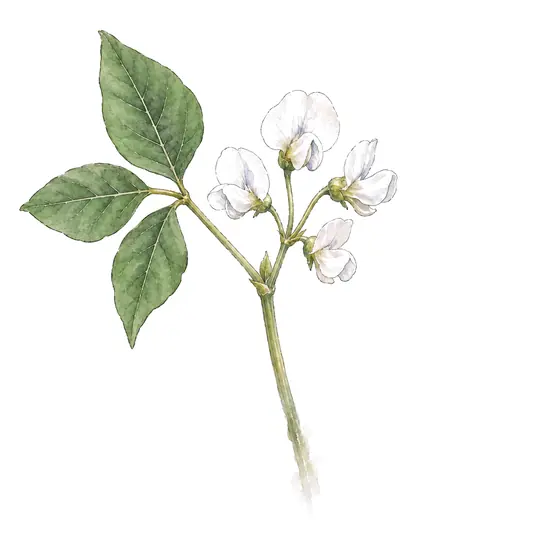
Flowering
the flowers open
whether a flower holds depends on what the plant has now: boron for the set, calcium for the cells
-
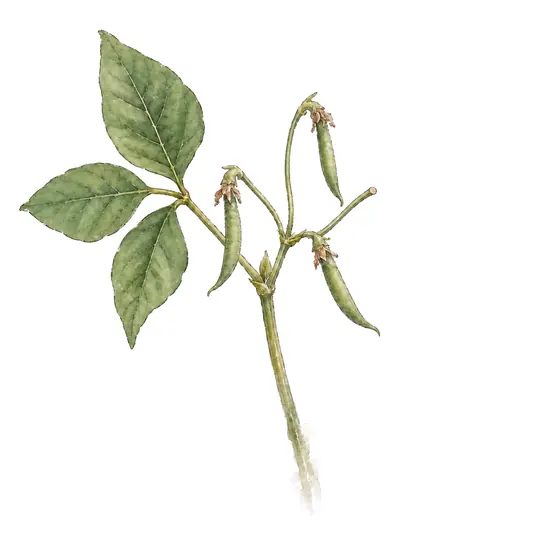
Pod set
one pod, cut across, magnified
a flower that holds sets a pod; one that drops is a pod lost
-
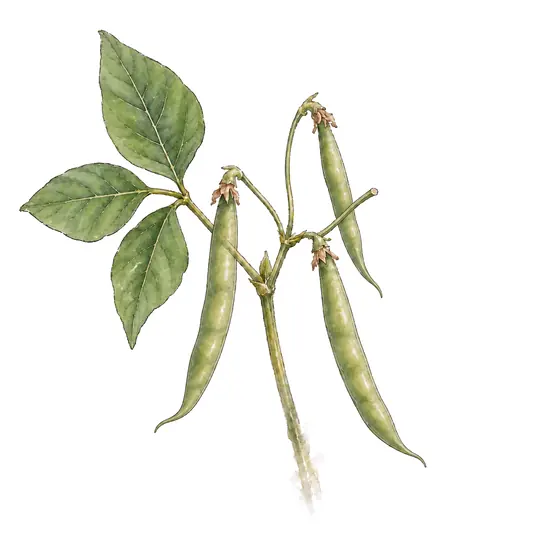
Pod fill
the same pod, magnified
the pods fill the cells they made in those few days


Have boron and calcium in before flowering a flower holds or drops on what the plant has then, and each pod makes its cells in a few days
Flowers hold or drop
Before the pods come the flowers. Whether a flower holds and sets a pod depends on what the plant has at the time. A bean always drops some of its flowers. Heat, a dry spell, or too little boron and calcium, and it drops far more: pods you won’t get back. That’s why the foundation goes in before flowering, not after: boron for the pollen and the set, calcium for the cells.
Boron. Calcium. Boron short. Calcium short. A pod lost.
-
In place before flowering
a bean’s flower stalk
boron for the pollen and the set, calcium for the cells: most flowers hold and set a pod
-
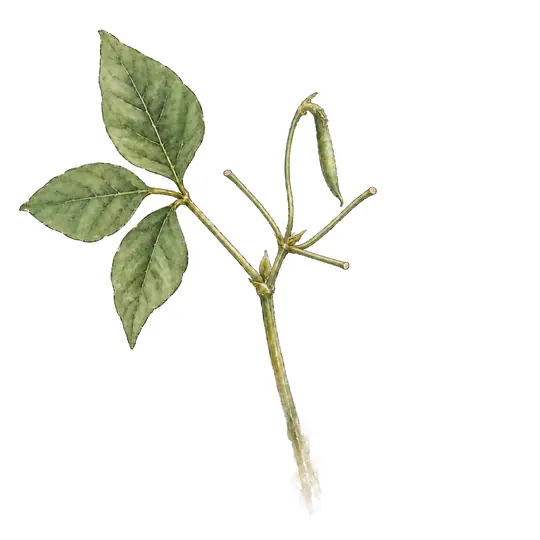
Short at flowering
the same stalk
far more drop: pods you won’t get back

Sized on water and potassium
Steve tells this one from a bean crop’s sap report. Through cell division, the tests showed calcium dropping hard. His reading: these beans will size up fast, on the water and the potassium, but their structure and their resistance to disease will be fragile. Big pods on a weak frame.
So the next season’s program puts a calcium foliar spray in at that stage. It’s the order Steve teaches for every crop: pour the foundation, then fill the house with potassium. Beans just give you less time to get it right.
Calcium. Potassium.
-
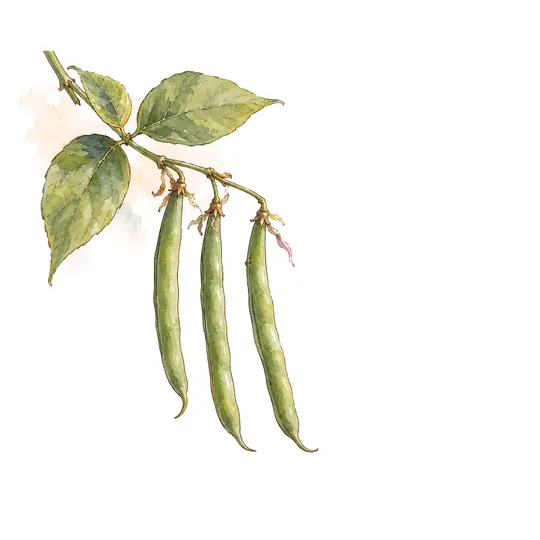
Calcium kept up
one pod, magnified
calcium in through cell division: the cells build a firm frame
-
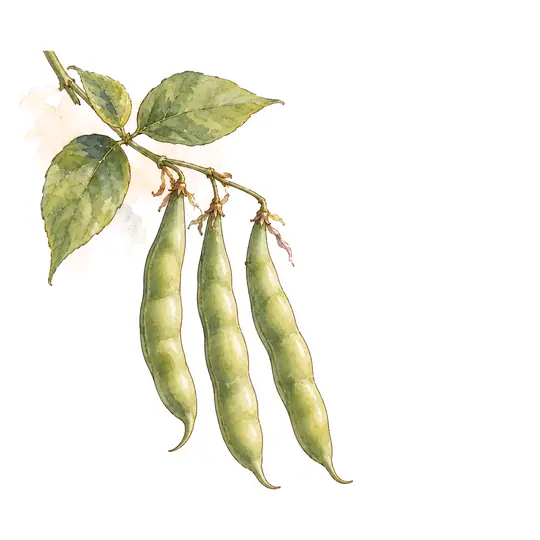
Calcium dropped
the same pods, magnified
they size up fast on water and potassium: big pods, but fragile, and weak against disease


Push or pull the finish
In beans, Steve says, maturity can be pushed or pulled by a few days. His example: stretch a crop’s maturity by three days, so the harvester can take it, rather than skipping it to jump into the next one. At the end, what counts is what comes off in spec.
The nodules
Beans are legumes: bacteria in nodules on their roots take nitrogen from the air and trade it to the plant for sugar. Beans are weaker at it than most legumes, so they usually still need some nitrogen. But the nodules need molybdenum, phosphorus, and a plant with its engine running to feed them. Short of phosphorus, a bean makes fewer nodules.
Nitrogen in the soil’s air. Nitrogen the plant can use. Sugar. Phosphorus in the soil.
-
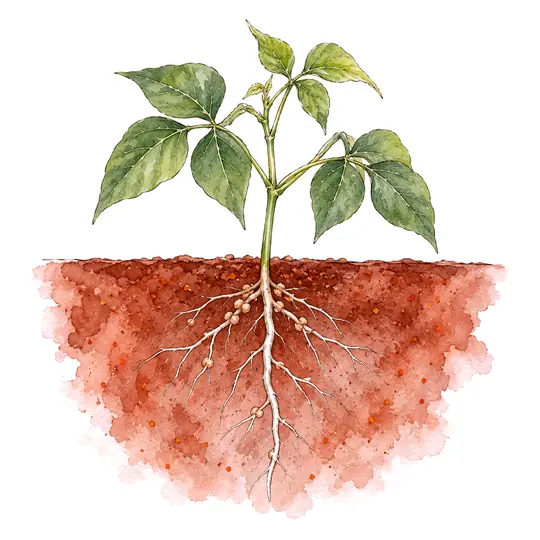
Enough phosphorus
a young bean and its nodules
its nodules take nitrogen from the air and trade it to the plant for sugar
-
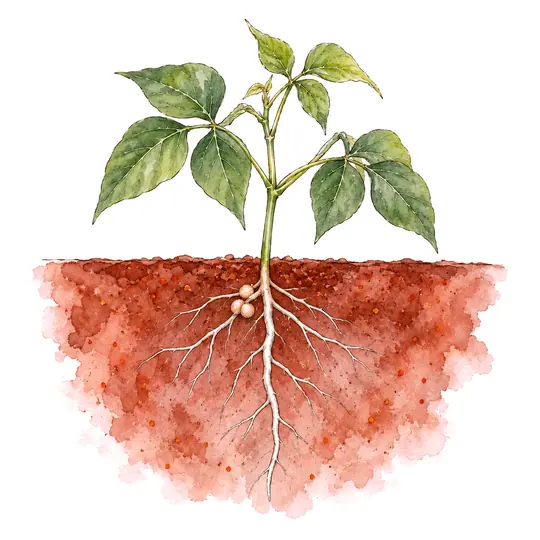
Short of phosphorus
the same bean
short of phosphorus, a bean makes fewer nodules


The season at a glance
About 70 days from sowing. The days are a guide: the crop’s stage is the clock. Build yours in the program builder.
-
1 · Germination days 0–7
Quick, even emergence, and the nodules started from day one.
How you know it’s here A hooked stem pushes through the soil and pulls the two thick seed leaves up behind it.
What matters most: PhosphorusMolybdenum
-
2 · Vegetative growth days 7–20Sap test
A dense, upright frame: thick stems, tight internodes, and the height to clear the harvester.
How you know it’s here The first pair of single leaves is open, and the three-part leaves follow, one node at a time.
-
3 · Bud development days 20–30
A clean turn from leaf to flower, and buds that hold.
How you know it’s here Flower buds form in the leaf joints, before any open.
What matters most: ManganeseBoronMagnesiumPhosphorusCalcium
-
4 · Flowering days 30–40Sap test
Pollination, and the first pods set. The pod count is decided here.
How you know it’s here The first flowers open, low on the plant.
What matters most: BoronCalciumManganeseMolybdenum
-
5 · Cell division days 40–50Sap testCell division
As many cells as possible in every young pod. This sets the yield ceiling.
How you know it’s here The petals drop, and small pods show where the first flowers were.
-
6 · Cell expansion and sizing days 50–60Sap test
Fill the cells you built: firm pods, good colour and shelf life.
How you know it’s here The pods lengthen and thicken toward picking size.
-
7 · Maturity days 60–70
Push or pull the pick by several days, to suit the market.
How you know it’s here Pods at size: firm, and they snap clean, before the seeds swell inside.
Where it fits in a program
- Get it right from the start. In a ten-week crop, there’s no catching up.
- Build the engine early, and look after the nodules.
- Have boron and calcium in before flowering, and keep the foundation going through pod set.
- Don’t let the pods size on water and potassium alone. Size on a weak frame doesn’t hold up.
- Sap test through flowering and pod set, so a calcium drop shows while there’s time to act.
- Plan the finish with the harvester. What counts is what comes off in spec.
“These beans will size up rapidly, due to the water and the potassium, but their structural life and disease resistance will be extremely fragile.”