
Start with the grade
Steve’s first question is the same for every crop: tell me what your market wants. In wheat, the answer is the grade. It’s set at the silo, from a sample of your load: the protein in the grain, its test weight (how much a measured volume of it weighs), how much of it is small and pinched enough to fall through the screen, and whether rain at harvest has started it sprouting. A crop that misses its protein, or carries too many screenings, drops a grade, and every tonne of it is paid less.
So in wheat, the grade is the recovery. Tonnes that drop a grade are tonnes you grew and were paid less for. And the grade is settled long before harvest, step by step.
-
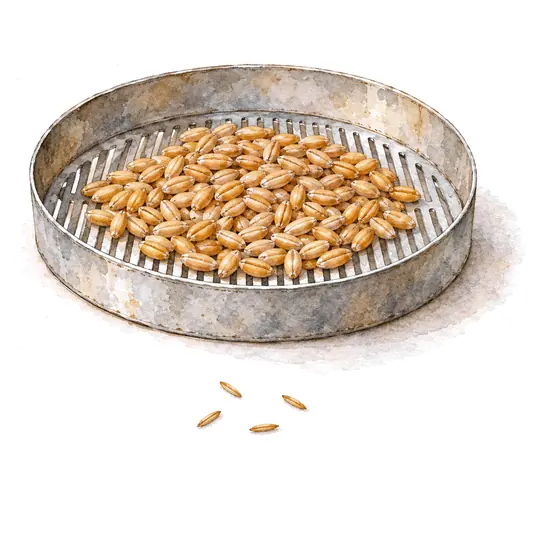
Makes its grade
a sample of the load, screened at the silo
plump, even grain stays on the screen
-
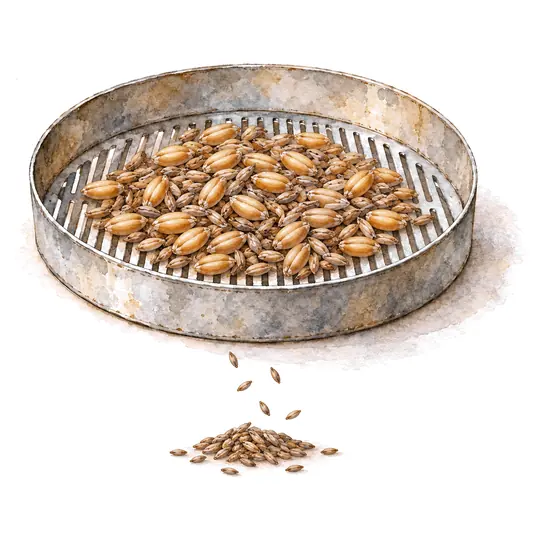
Drops a grade
the same test, another load
too much small, pinched grain falls through: every tonne of the load is paid less


A yield built in steps
Every wheat yield is three numbers multiplied together: the heads in a square metre, the grains in each head, and the weight of each grain. Each one is set at its own stage, in order. The heads come first, at tillering. The grains a head can hold are set as the stem runs up, and how many of them fill is settled around flowering. The weight comes last, in grain fill.
A later step can make up only a little for an earlier one. A thin crop grows slightly bigger heads, and a crop short of grains fills them a little heavier, but rarely enough to catch up. That’s Steve’s critical stages in one crop: each step is critical in its turn, and what it needs has to be there before it starts.
-
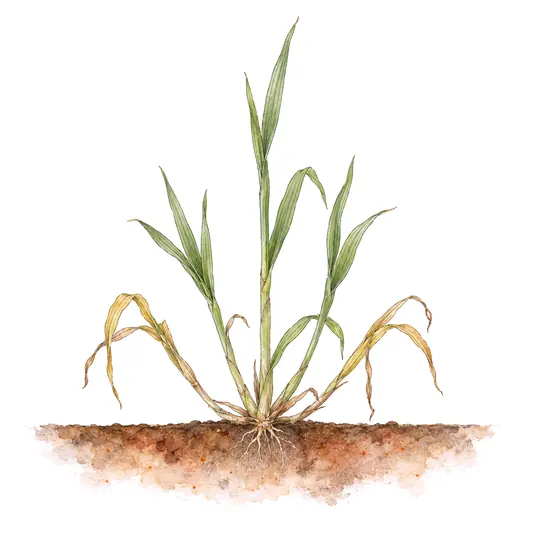
Heads
set at tillering
every tiller that lives makes a head; the late ones die off
-
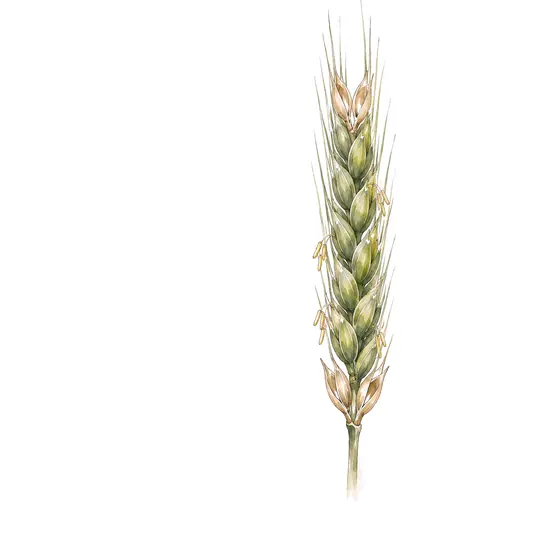
Grains
set as the stem runs up, and at flowering
a head has many places for grain, and some stay empty
-
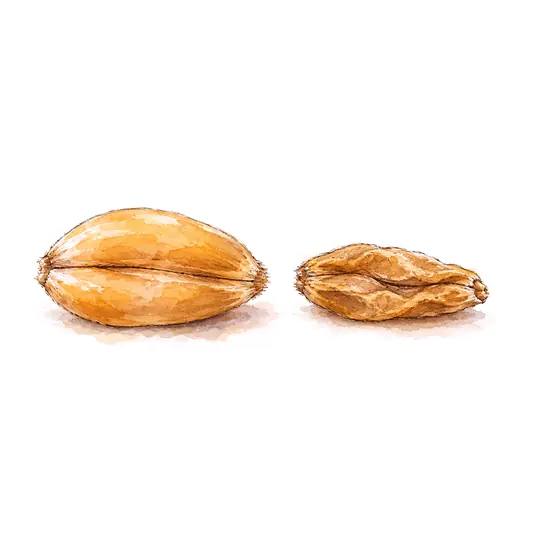
Weight
set in grain fill
two grains, enlarged: one filled out, one pinched


Yield = heads × grains × weight each set at its own stage, in order: a later step makes up only a little for an earlier one
Tillers: how many heads
From about the third leaf, side shoots grow from the base of each plant, beside the main stem. They’re the tillers, and every tiller that lives makes a head. So tillering sets how many heads there can be. It starts with an even strike: seedlings coming up evenly across the paddock. A gap in the stand means heads the crop never has. Put phosphorus close to the seed, so the roots get away well. Phosphorus drives the tillers, too: short of it, a crop puts out fewer, and later.
Not every tiller makes it. Once the stem starts to run, the plant lets its youngest, weakest tillers die and feeds the rest. Short of nitrogen, it lets more go. Short of manganese, as wheat often is on alkaline sands, or of zinc, the whole plant runs slow.
Phosphorus.
-
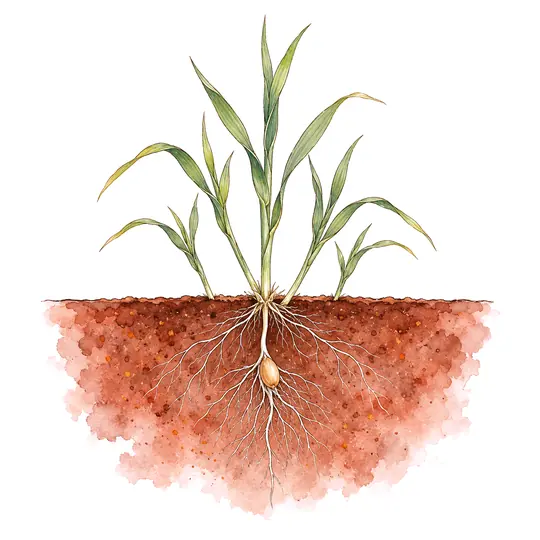
Tillering
a young wheat plant, cut away
side shoots grow from the base: a main stem and four tillers. Phosphorus close to the seed drives them
-
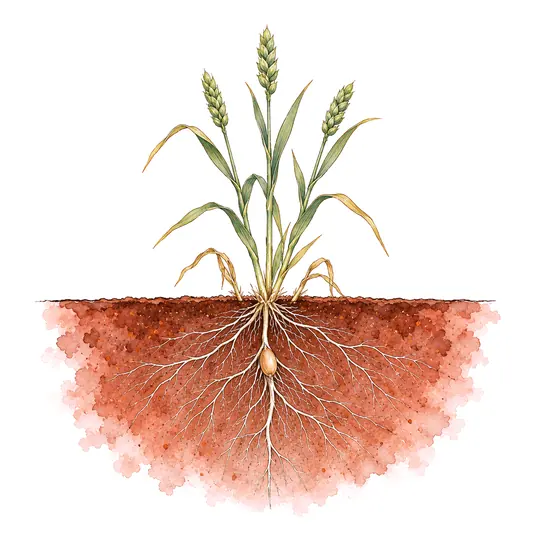
Heads
the same plant at heading, drawn smaller
it let its two youngest tillers die and fed the rest: three heads
-
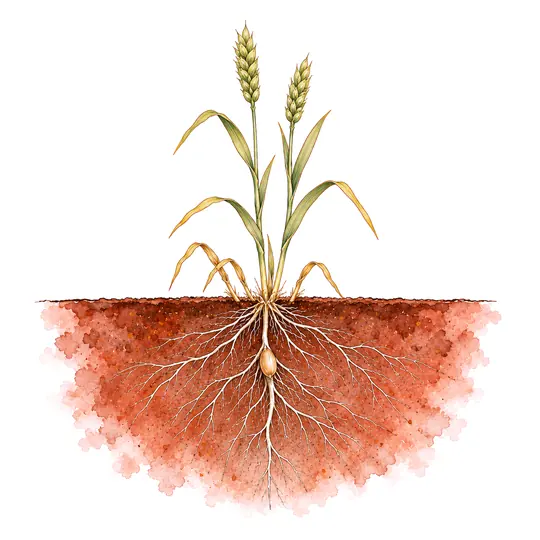
Instead, short of nitrogen
the same plant at heading
it lets more tillers go: two heads


The head is made inside the stem
Here’s the step most growers never see. By the time the stem starts to run, the head is already forming inside it, down near the ground. Feel the base of a main stem: once there’s a firm bump just above the soil, the first node, the stem is running. By then the head has laid out its spikelets, and each one is forming its florets. Every floret is a grain that might be. Most won’t make it.
You can see it for yourself. Pull a main stem, slit it lengthwise from the base with a sharp knife, and look just above the first node. There’s the head: soft, pale and about a centimetre long, its spikelets stacked up both sides. A hand lens shows the florets forming in each one.
-
At the first node
the stem starts to run
once there’s a firm bump just above the soil, the stem is running
-
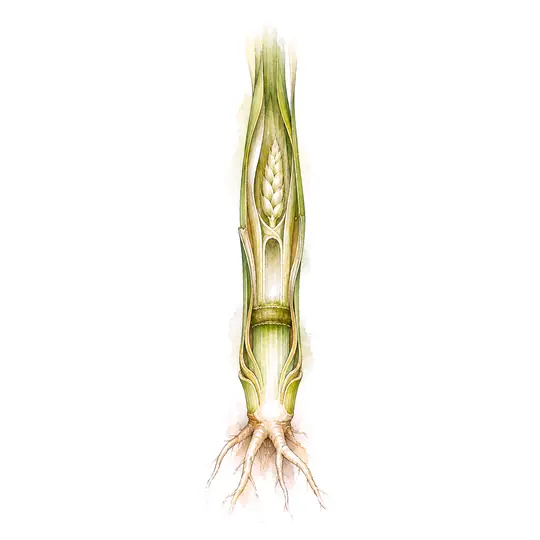
Inside the stem
a main stem’s base, slit open, magnified
the head is already forming, down low, wrapped in the leaves
-
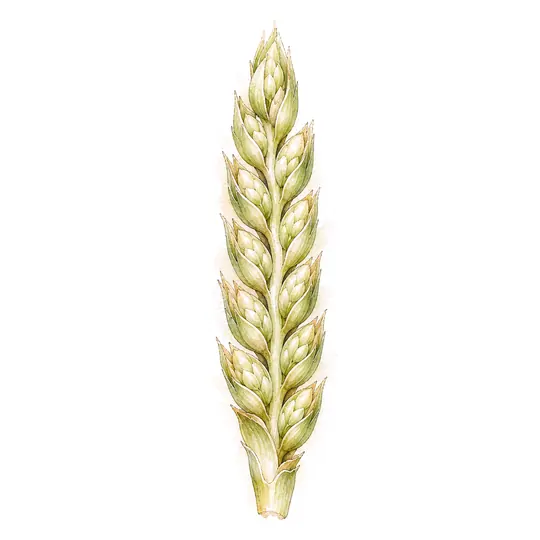
The young head
the same head, magnified again
its spikelets are laid out, and each is forming its florets


In the three or four weeks before flowering, the head grows fast, and the plant decides how many of its florets will make grain. A crop that’s short of water, nitrogen or sunlight then sets fewer grains, and nothing later puts them back. That’s why the weeks before flowering are a critical stage in wheat: the grains are counted before the head comes out.
So the foundation goes in before the stem runs: calcium for the cell walls, silicon for a stem that stands, and boron for the pollen to come. Copper is its own step, and it has to be in before the boot. The boot is the stage when the sheath of the top leaf, the flag leaf, swells round the young head. The pollen forms inside it. Short of copper then, the heads can come out empty, or partly empty.
The stem has to carry that head all the way to harvest. A thick crop pushed hard with early nitrogen grows tall, soft stems, and as the heads get heavy, wind and rain lay it flat: it lodges. A lodged crop fills poorly and is slow and costly to harvest. Silicon and copper stiffen the stem’s walls, and potassium keeps it firm.
Rain, blown by wind. Silicon, copper, potassium and nitrogen, in the soil.
-
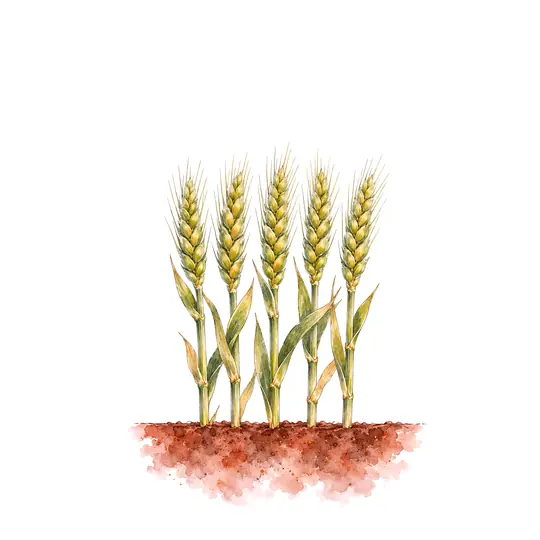
Firm stems
wheat with heavy heads, in wind and rain
silicon and copper stiffen the stems’ walls, and potassium keeps them firm: it stands
-
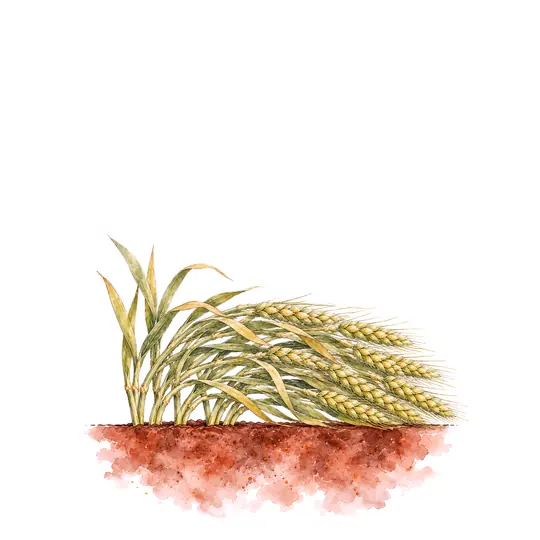
Soft stems
the same wheat, pushed hard with early nitrogen
tall, soft stems: wind and rain lay it flat, and a lodged crop fills poorly


Flowering: the grains set
The heads push out of the flag leaf’s sheath, and a few days later they flower, from the middle of each head outwards. Wheat pollinates itself, inside each floret: the yellow anthers you see hanging out have mostly done their work already. It’s over in a few days, and those days are fragile. A frost, or a run of hot days, at flowering can kill the pollen, and those florets stay empty. Frost follows the low ground. The Stress and salt page has more.
An empty floret: no grain.
-
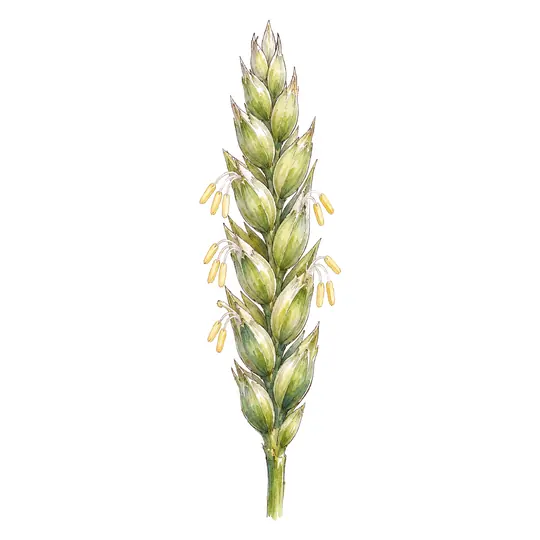
Flowering
one wheat head
it flowers from the middle out, over a few days
-
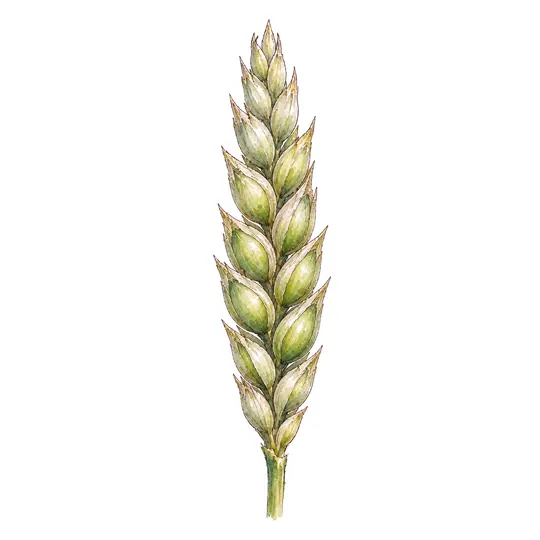
After a frost
the same head, two weeks on
the florets that flowered last, in the frost, stay empty: the tip and the base


Over in a few days a frost, or a run of hot days, while it flowers kills the pollen, and those florets stay empty
Grain fill: the weight and the protein
Once the grains are set, they fill. Most of what goes into them is made after flowering, by the top leaves, the flag leaf most of all, and by the head itself, and the rest comes from sugar stored in the stems. So keep the canopy green and working as long as it can go. A hot, dry finish cuts the filling short, and the grain comes off small and pinched: light, and full of screenings. The Sizing and bulking page has more.
Sugar.
-
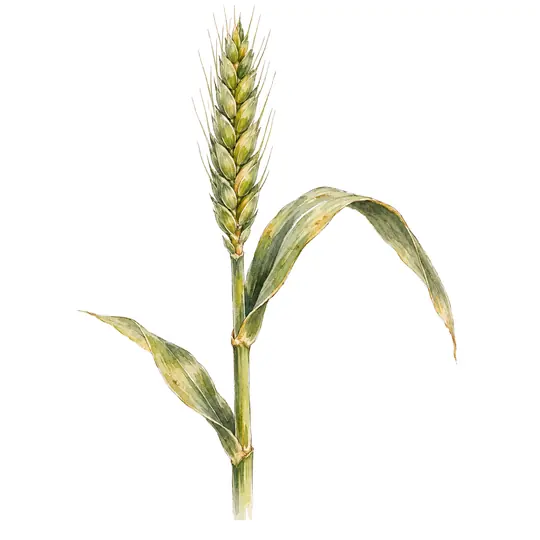
A green finish
the top of a wheat plant, after flowering; one grain, magnified
the flag leaf and the head make most of the fill, and the stem gives what it stored
-
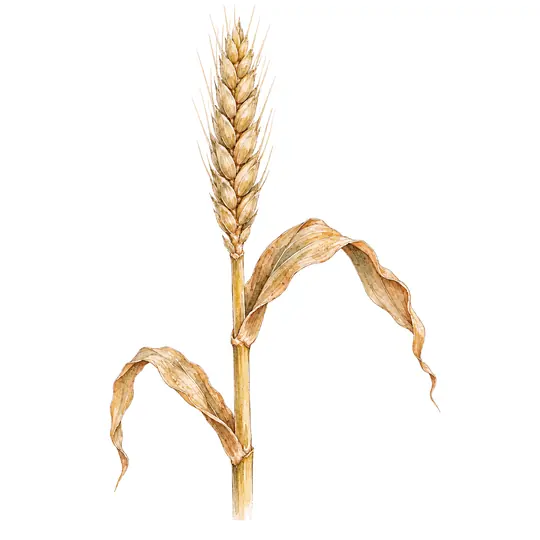
A hot, dry finish
the same plant, its top leaves gone early; one grain, magnified
the filling is cut short, and the grain comes off small and pinched


The protein is made now too, from nitrogen. Most of it is moved out of the leaves and stems into the grain, and the rest is taken up as the grain fills. This is where Steve’s line about nitrogen is plainest: it’s a liability until it becomes a protein, and in wheat the protein is what the grade is paid on. Nitrogen early builds tillers and canopy, and so yield. Nitrogen later, from about the flag leaf on, goes more to protein. And the protein needs sulfur beside the nitrogen.
Early nitrogen can cost you too. Too much of it up front grows a big, thick crop that uses up the soil’s water before the grain fills, and if the spring turns dry, there’s nothing left to fill it with. Australian growers call that haying-off: a crop that looked great in winter comes off pinched. It’s the critical stages again: feed each stage for what it sets, not all of it at once.
This is where potassium has earned its place. It helps move the sugar into the grain, and keeps the plant standing and holding its water. Magnesium keeps the leaves green to the end.
Ripening, and the harvest
As the grain hardens, the heads and stems turn gold, and a thumbnail barely dents the grain. Nitrogen does nothing for it now, so hold the nitrogen. What’s left is the weather. Rain on a ripe crop can start the grain sprouting in the head, and a sprouted sample fails the falling number test and drops a grade, however good it was the week before. A crop that ripens evenly can come off the day it’s ready.
Rain.
-
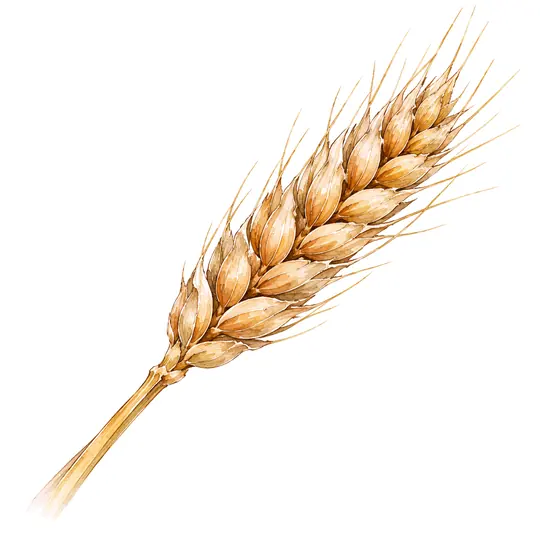
Ripe and dry
a wheat head, ready to harvest
a crop that ripens evenly can come off the day it’s ready
-
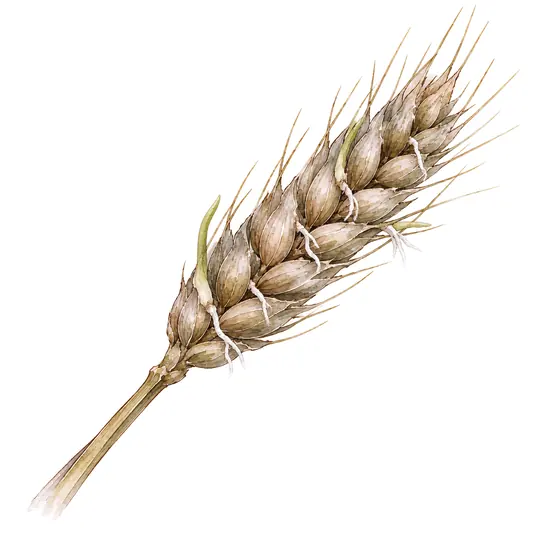
Rained on
the same head, after rain at harvest
the grain starts sprouting in the head, and the sample drops a grade


The season at a glance
About 170 days from sowing. The days are a guide: the crop’s stage is the clock. Build yours in the program builder.
-
1 · Sowing to emergence days 0–14
An even strike, and roots away fast.
How you know it’s here The first leaf spears up through the soil.
What matters most: PhosphorusZincCalcium
-
2 · Tillering days 14–60
Tillers set how many heads there can be to the square metre. Nitrogen and phosphorus drive them.
How you know it’s here Side shoots, the tillers, grow from the base beside the main stem, from about the third leaf.
What matters most: NitrogenPhosphorusManganeseZinc
-
3 · Stem elongation days 60–100Sap testCell division
As the stem runs, the head inside it sets how many grains it can hold. Silicon for a stem that stands, and copper before the boot, for the pollen to come.
How you know it’s here Feel the base of a main stem: the first node is a firm bump just above the ground.
-
4 · Heading and flowering days 100–120Sap test
Pollination: boron for the pollen, and a crop that isn’t under stress. Copper’s part came before the boot.
How you know it’s here The heads push out of the flag leaf’s sheath. A few days later, yellow anthers hang from the middle of each head.
-
5 · Grain fill days 120–155
Fill the grain: the canopy’s work goes into the heads, and the protein is made now.
How you know it’s here Squeeze a grain: milky at first, then like soft dough.
-
6 · Ripening days 155–170
Dry down evenly. Hold the nitrogen.
How you know it’s here The heads and stems turn gold, and the grain is hard: a thumbnail barely dents it.
What matters most: Potassium
Where it fits in a program
- Know the grade you’re growing for: its protein, and how many screenings a load can carry.
- Get an even strike, with phosphorus close to the seed, and keep the tillers fed: nitrogen and phosphorus drive them.
- Have calcium, boron and silicon in before the stem runs, and copper in before the boot.
- Split the nitrogen: enough early for the tillers, and more later for the protein, with sulfur beside it, as the season’s rain allows.
- Save potassium for grain fill. By then the crop has earned it.
- On each walk, count the tillers, and later the heads, in a metre of row, and feel for the first node. Sap test before the stem runs and while it’s running, while there’s still time to act.
“Nitrogen is a liability until it becomes a protein.”