A reading on the spot
A sap test from the lab takes about a week to come back. A few handheld tools give you a reading in the paddock, in minutes: a refractometer for Brix, and small meters that read one mineral in a few drops of sap.
Steve’s programs use them between lab reports. The lab’s run of sap tests shows which way the crop is heading. The handheld readings fill in the days between, so you can catch a slide the week it starts.
What Brix is
A refractometer measures how much is dissolved in a drop of sap. Squeeze a few drops onto its glass, close the flap, and hold it up to the light. Look through it, and the window is split into light and shadow. Where the line between them crosses the scale is the reading, in degrees Brix.
Most of what’s dissolved in sap is sugar, and the scale reads it all as if it were sugar. But minerals, amino acids and the plant’s acids dissolved in it add to the reading too. So Brix is a reading of everything the sap carries, with sugar the biggest part.
-
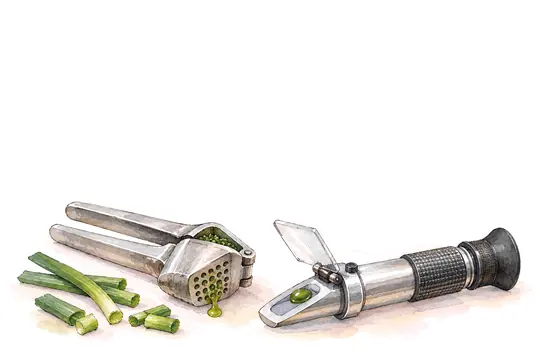
Reading Brix
onion leaf, a garlic press and a refractometer
a few drops of sap on the glass, held up to the light: where light meets shadow is the reading

In this school, Brix shows how well the leaves are making sugar, and how much the plant has to spend. Steve’s programs read a higher Brix as a plant with more in reserve: better able to stand up to pests, and growing fruit that’s firm, well coloured and stores well. His apple program aims for a firm, high-Brix apple.
Read it the same way each time
One reading on its own means little, because Brix moves. A leaf’s Brix climbs through a sunny day as it makes sugar, and falls overnight as the sugar moves out to the rest of the plant. A thirsty plant reads higher too: its sap is more concentrated, not richer.
Sugar. Brix, read in the sap. Water.
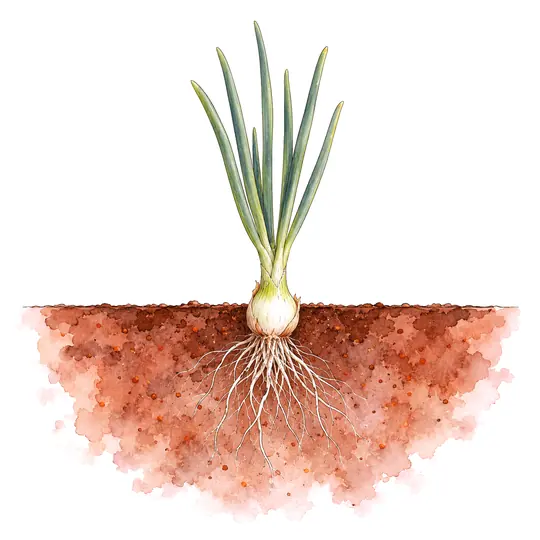
Watered
a young onion
the day’s sugar, in plenty of water
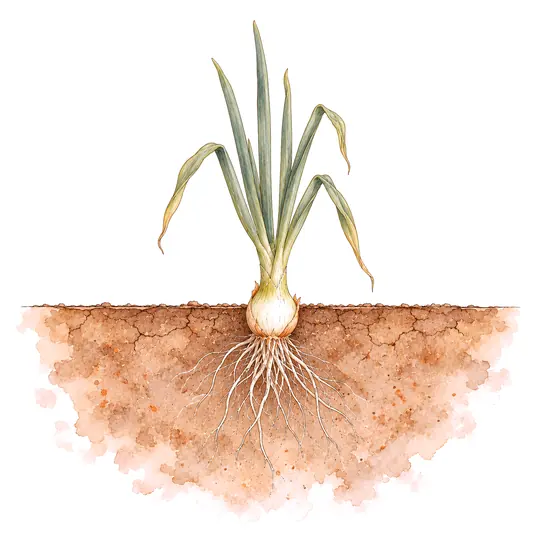
Thirsty
the same onion, the same sugar
less water in the sap, so the same sugar reads higher: more concentrated, not richer


So take every reading the same way:
- The same time of day, on the same kind of day.
- Use the same leaf on each plant: the one the program names, or the youngest leaf that’s fully opened.
- Use several plants, not one. Press their leaves together in a garlic press, and read the sap that comes out.
- Use a clean, dry glass. Set the scale to zero with a drop of distilled water before you start.
- Use a refractometer that corrects for temperature, or keep it in the shade.
- Write it down with the time, the weather and the stage.
A reading is a clue, not a verdict. Compare it with the last few, and with the lab’s trend.
The afternoon and morning test
Steve’s programs use Brix to check that the sugar is moving:
- Read some leaves late in the afternoon, after a full day’s sun. The Brix should be high, from the day’s sugar.
- Read the same leaves early the next morning, before the sun’s on them. It should have dropped: overnight, the sugar moved out to the fruit, the bulb, the roots and the new growth.
- If the morning’s reading is about the same as the afternoon’s, the sugar is stuck in the leaf.
His programs read stuck sugar as a crop short of boron, which keeps the sugars moving, and fix it with boron and calcium. It gives you a signal within a day, without waiting for the lab.
Sugar. Brix, read in the sap. Boron. Stuck in the leaf.
-
Late afternoon
young onions, after a day’s sun
the leaves are full of the day’s sugar, and Brix reads high
-
Next morning: moving
the same leaves, before sunrise
the sugar has moved out to the bulb and the roots, and Brix reads lower
-
Next morning: stuck
or, in a crop short of boron
the sugar is still in the leaf, and Brix reads about the same
Boron isn’t the only thing that holds sugar in the leaf. A crop short of magnesium can’t load it into the sap either, and a cold night slows its move. So run the test after an ordinary night, run it more than once before you act on it, and read it beside the sap test.
The handheld meters
A handheld ion meter reads one mineral in a few drops of sap: there’s one for nitrate, one for potassium and one for calcium. Each program gives its own targets for each crop and stage, so the trend between readings matters more than any one number.
- Nitrate. Nitrate climbing in the sap is nitrogen the plant has taken up and hasn’t yet built into protein. That’s soft, sappy growth, and the pests that come with it. Steve’s programs act on a rise straight away, with the minerals that finish the job, molybdenum, sulfur and magnesium. The Nitrogen page has the whole story.
- Calcium, in the new leaves. Calcium only travels with the water the plant draws up, so a crop growing fast can outrun it. A drop in the new leaves between readings means new cells are being made with weak walls. His programs put calcium and boron on the leaf at once, without waiting for the lab. See calcium.
- Potassium, beside calcium. Read the two side by side. Potassium pumps water and sugar in to fill the crop, and calcium builds the walls that hold it. If potassium races ahead while calcium falls, the crop is filling faster than it builds: in onions, that’s watery bulbs that split. His onion program holds the potassium back then, and builds the walls first. See potassium.
Potassium. Calcium. Sap readings, one each visit, the latest at the right; higher is more.
-
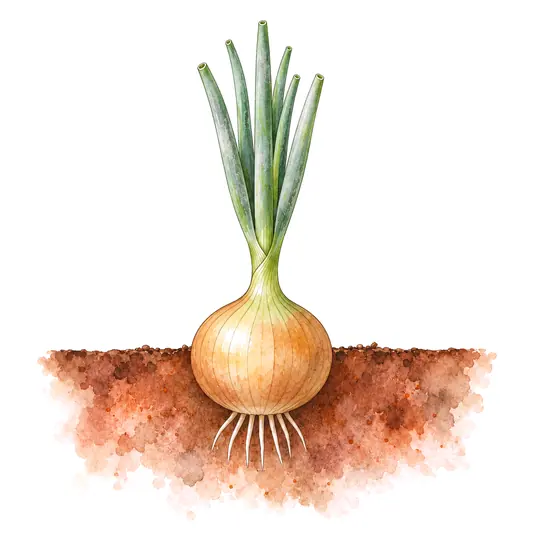
Keeping pace
an onion, bulbing
potassium fills the bulb, and calcium builds the walls that hold it
-
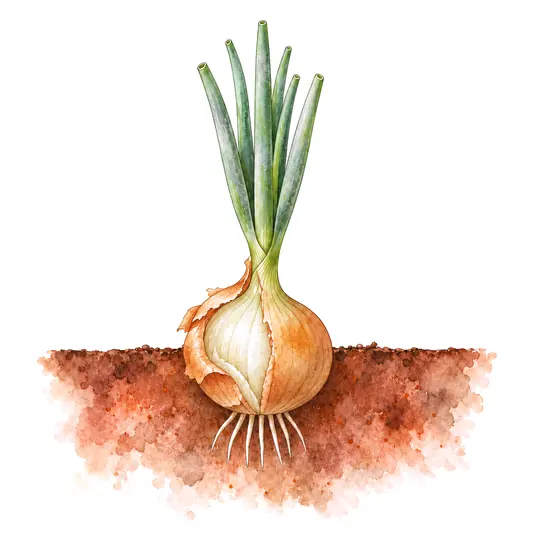
Potassium races ahead
the same onion
the crop fills faster than it builds: in onions, watery bulbs that split


Check each meter against its standard solutions before you read, rinse it between samples, and read at about the same temperature each time.
Where it fits in a program
- The lab’s sap tests, timed to the critical stages, set the trend. Brix and the meters fill the days between.
- Read on a set day each week, the same way each time, and write it down.
- When a reading jumps, read a few more plants. If it holds, act as the program says.
- The afternoon and morning test is quick and costs nothing but a few leaves. Use it whenever the sugar might be stuck.