
The same fundamentals
Steve says it of every crop: “The fundamentals are the same. Doesn’t matter what crop you talk.” A tree flowers, sets its fruit, makes the fruit’s cells, fills them and finishes, the way a bean does. The critical stages are the same idea, and so is the order: the three amigos before the cells divide, and potassium after, once it’s earned.
What changes is time. A bean crop is done in about ten weeks. A tree lives through one season into the next. Vines and bushes that come back each year, like grapes and blueberries, follow the same two-season pattern. Each crop keeps its own timing.
Calcium. Boron. Silicon. Potassium.
-
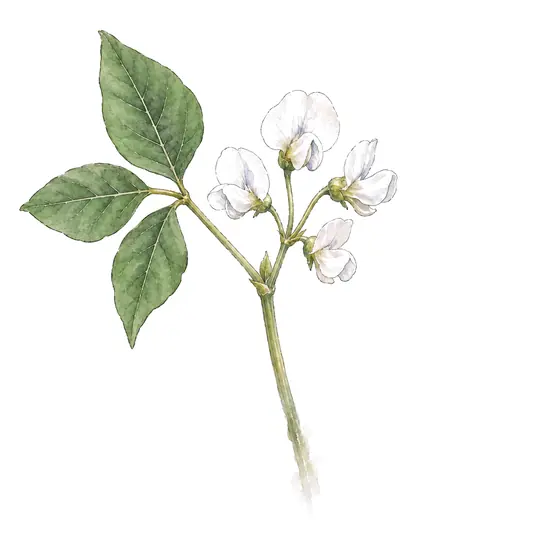
Flowers
a bean, done in about ten weeks
calcium, boron and silicon first, before the cells divide
-
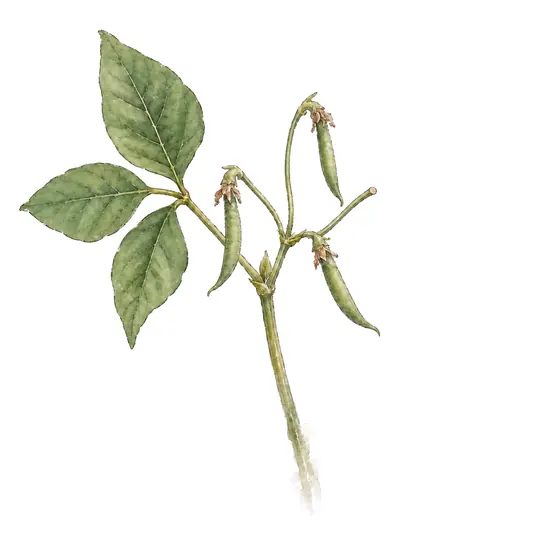
Sets, and makes its cells
the same bean
the pods set, and make their cells
-
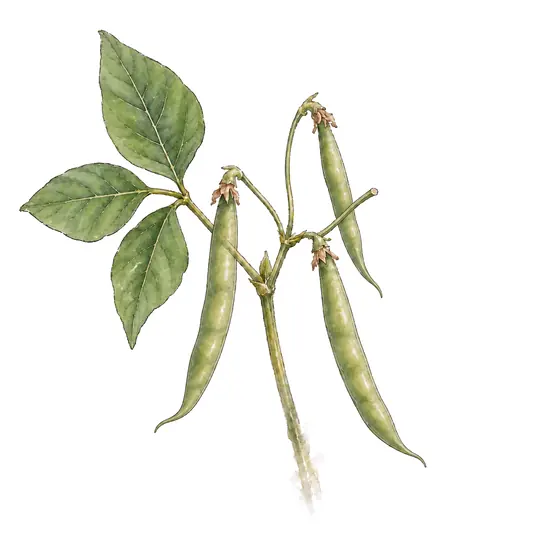
Fills, then finishes
the same bean
potassium after the three, once it’s earned
-
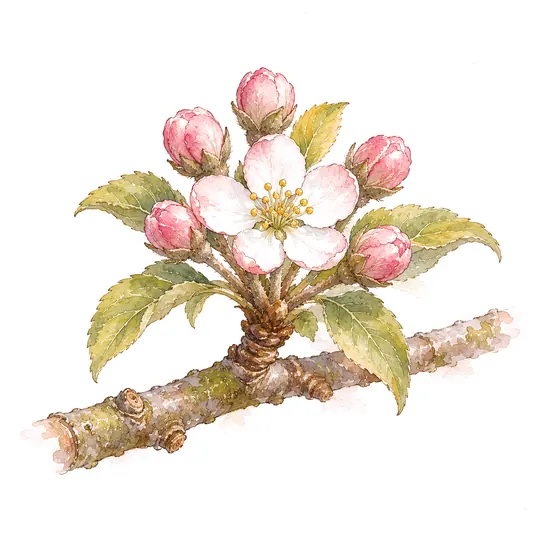
Flowers
an apple, through one season into the next
calcium, boron and silicon first, before the cells divide
-
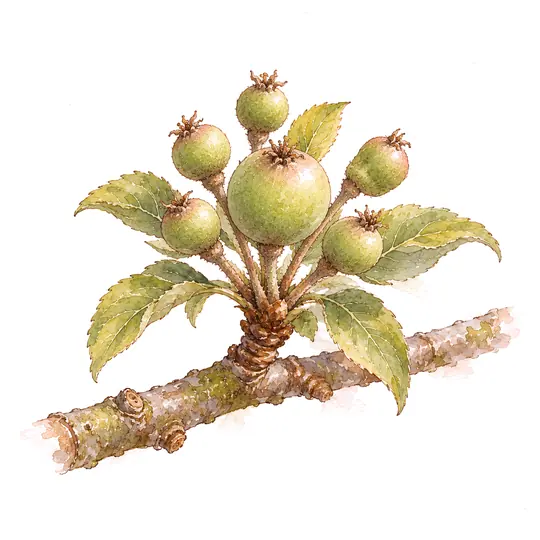
Sets, and makes its cells
the same spur
the fruit sets, and makes its cells
-
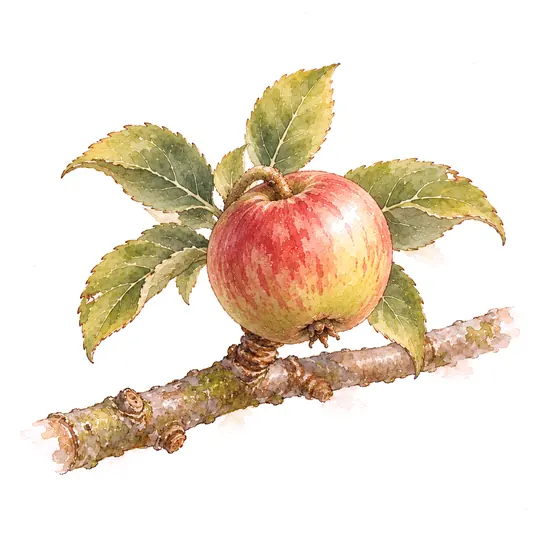
Fills, then finishes
the same spur
potassium after the three, once it’s earned


Weeks, not days
Steve’s rule of thumb: in beans, the cell division window is about seven days, or even three or four days. In orchard crops, like limes and avocados, it’s probably more like three to four weeks.
A longer window isn’t an easier one. Calcium gets into the fruit mostly with the water, and it stays where it lands, so it has to keep coming the whole time the cells are dividing. That’s weeks of keeping it coming. In avocados it goes on even longer, because the fruit keeps making cells as it grows, though more slowly. A hot or dry spell in the middle costs quality you can’t put back later. The Stress and salt page has more.
Water, carrying calcium. Calcium missing.
-
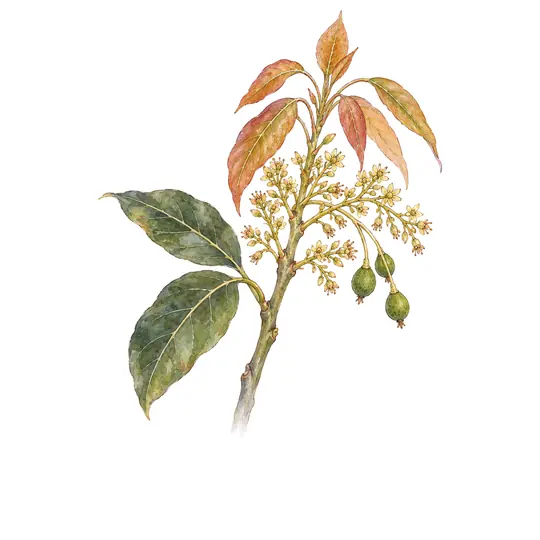
Kept coming
an avocado at fruit set, through its window
calcium gets in with the water and stays where it lands, so it has to keep coming the whole time
-
Instead, a dry spell
the same window, a hot spell in the middle
less gets in while it lasts, and the quality it costs can’t be put back later

“Here’s the thing with cell division. Orchard crops, or other crops like limes and avocados, they probably have more of a three to four week window.”
Two seasons at once
In many tree crops, next season’s flowers start forming while this season’s fruit is still on the tree. In apples and stone fruit, next spring’s flower buds form over summer, as the fruit fills. In avocados and citrus, they form through autumn and winter. A lime can carry ripe fruit and its next crop’s flowers on the same branch.
So the tree is working on two crops at once. Ask too much of it this season, with a heavy crop or a hard summer, and next season’s flowers can go short too. On the Crop Walk, that’s the buds check: plenty of buds, plump and even across the block.
Sugar. Sugar spent.
-
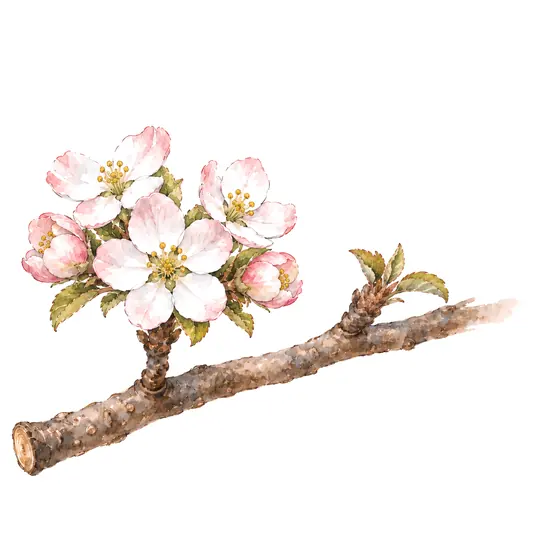
Spring
the savings spent
the buds, flowers and first leaves run on what the tree stored
-
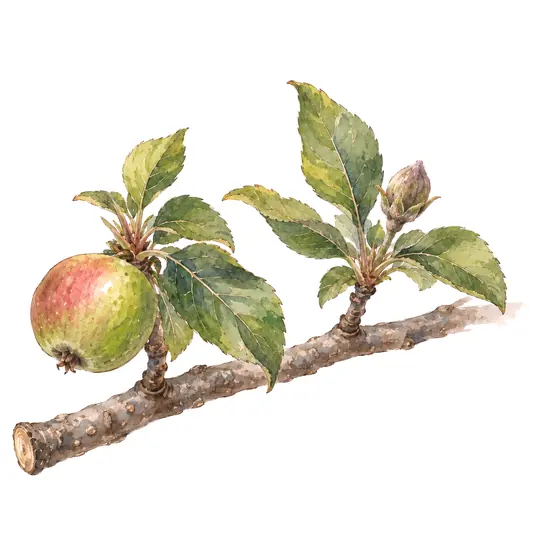
Summer
two crops at once
the fruit fills while next spring’s flower buds form beside it
-
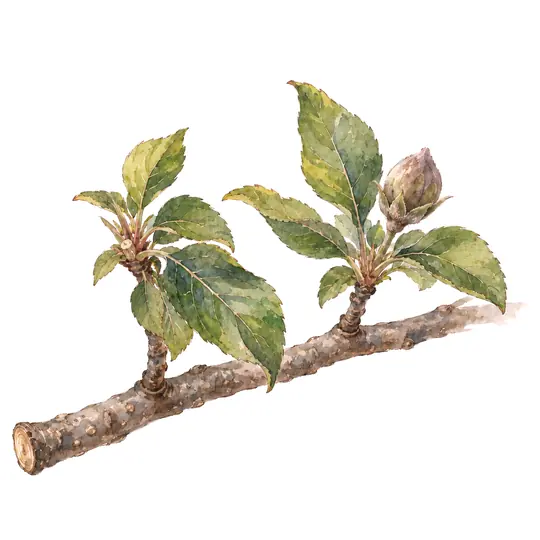
After the pick
the savings rebuilt
the leaves keep working, and refill the savings for next spring


The tree’s savings
A tree keeps savings: sugar and minerals stored in its wood and its roots. In spring it spends them on the buds, the flowers and the first leaves, before those leaves are big enough to pay their own way. So how well a tree flowers and sets this spring was partly decided last autumn. In the program builder, an apple’s season starts there: the tree wakes on what it stored.
After the pick
Harvest isn’t the end of a tree’s season. Once the fruit’s off, the leaves keep working, and what they make now goes into the savings for next spring. Keep them healthy for as long as they’re on the tree. A tree that loses its leaves early, to drought, disease or going hungry, starts the next spring short. That’s why most of the program builder’s tree seasons end with a stage after the harvest, to give the tree back what it spent. Nitrogen comes first in them all, with boron and zinc in most.
Sugar.
-
Leaves kept
an apple branch after the pick
the leaves keep working, into the savings for next spring
-
Next spring
the same branch
it wakes on what it stored
-
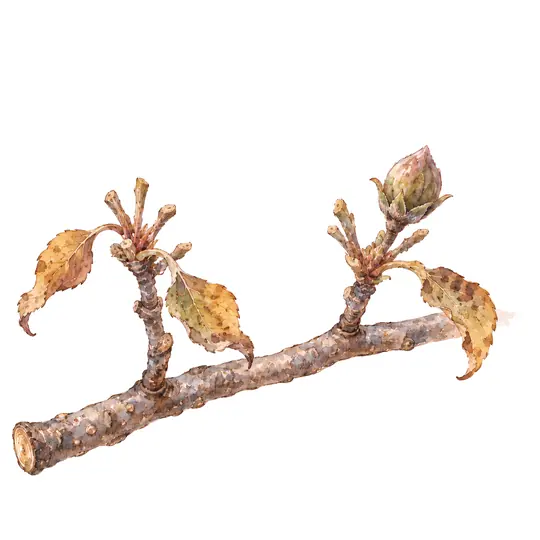
Instead: leaves lost early
after the pick, on a tree that lost its leaves
drought, disease or going hungry took them: little goes into the savings
-
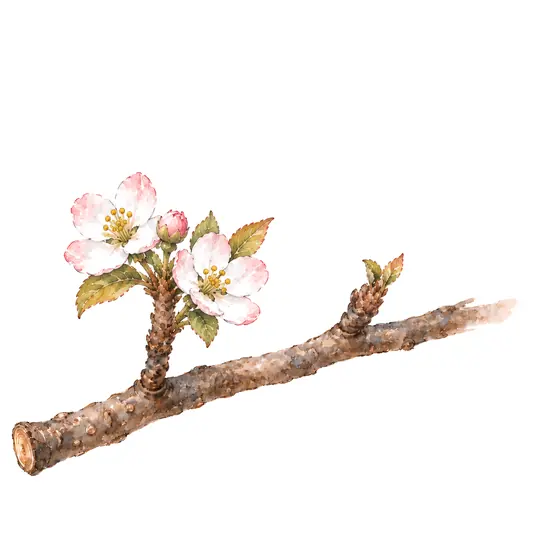
Next spring
the branch that lost its leaves
it starts the spring short


Nitrogen has two jobs at either end of the pick. As the fruit finishes, it’s held back, so the tree puts its effort into the finish and not into soft growth. Once the fruit’s off, it goes back on, into the savings for next spring’s start.
On years and off years
Push a tree to carry too big a crop, and it can pay for it next season with a light one. The heavy crop spends the savings, and while it hangs, fewer flowers form for next year. Some trees fall into a rhythm of on years and off years: avocados, mandarins and some apples are known for it. Evening it out starts with a crop the tree can carry, and savings rebuilt every year. In apples, that’s why growers thin a heavy set.
Sugar. Sugar spent.
-
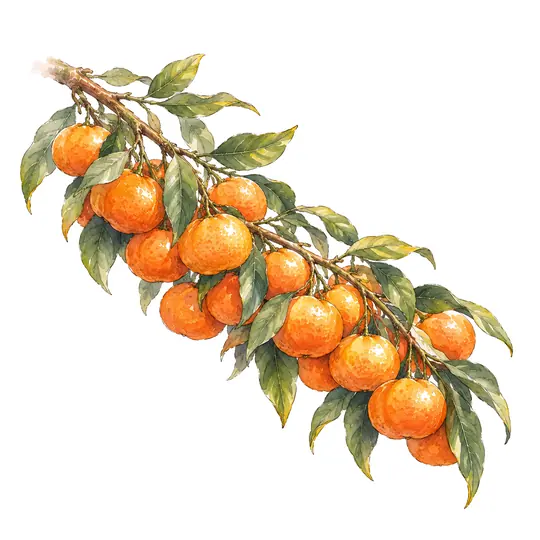
An on year
a mandarin branch, at the pick
the heavy crop spends the savings, and fewer flowers form for next year
-
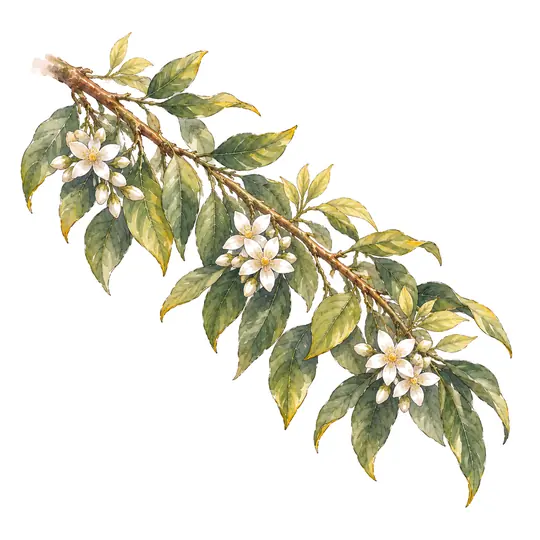
The spring after
the same branch as the on year
few flowers, so a light crop: an off year
-
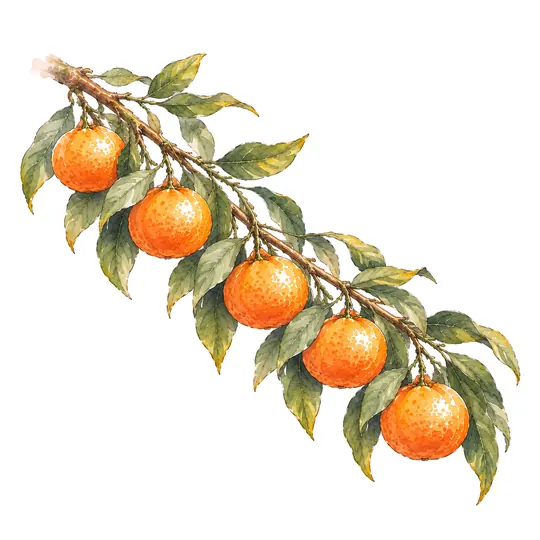
A crop it can carry
the on year’s branch, at the pick
fruit this year, and savings left for next spring’s flowers


Roots that stay
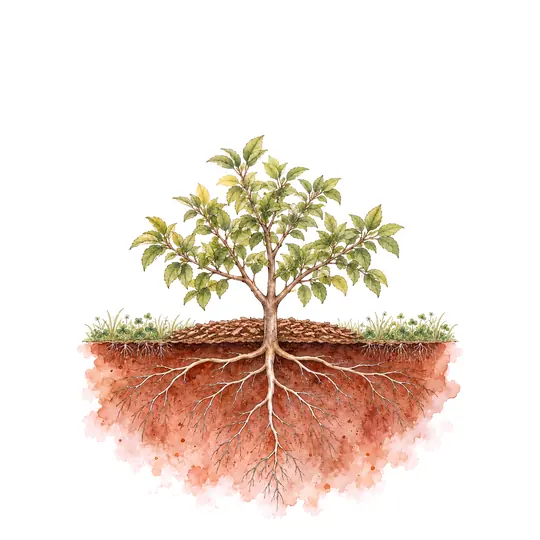
An annual row crop’s roots die at the end of its season. A tree’s stay in the same ground for years, so the soil under it is built up, or run down, season after season. Steve’s line holds here too: if you want your soil to change, you’ve got to put a plant in there. The Soil health page has more.
In an orchard, the trees are only some of the plants. The mulch on the row feeds the life around the roots, and a living cover between the rows keeps roots in the ground all year.
The soil’s life. A fungus’s threads.
-
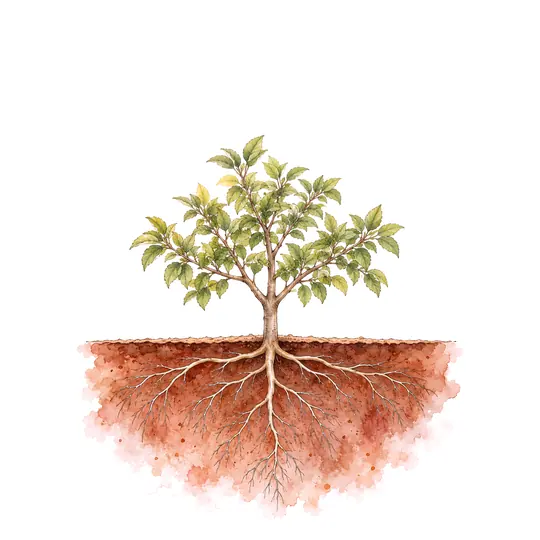
Bare ground
an orchard row
only the tree’s roots, and the soil under it runs down, season after season
-
Mulch and a living cover
the same row
the mulch feeds the life round the roots, and the cover keeps roots in the ground all year


Reading a tree
- Sap test the same trees each time, the same leaves, at the same time of day, so the trend means something. The Sap testing page has more.
- Read this season against last season, stage by stage. A tree gives you the same stages every year to compare.
- Count and size the fruitlets on the same branches each walk: the count is your set, and how they grow shows the window at work.
- Look at next season’s buds while this season’s fruit is on.
Where it fits in a program
- Plan the year, not just the crop. In the program builder, avocados, apples, stone fruit, citrus, grapes, tree nuts, tropical tree fruit and berries each run a year from the start of the season, not from a sowing date.
- Pour the foundation before the cells divide, and keep the calcium coming through the weeks they divide.
- Look after next season’s flowers this season: boron and zinc on time, and stress kept down while the buds form.
- Give back after the pick, while the leaves are still working.
- Sap test at the stages your program marks for one, and compare with last season’s.
- Rates come from your tests, your agronomist and the label. Never a guess.