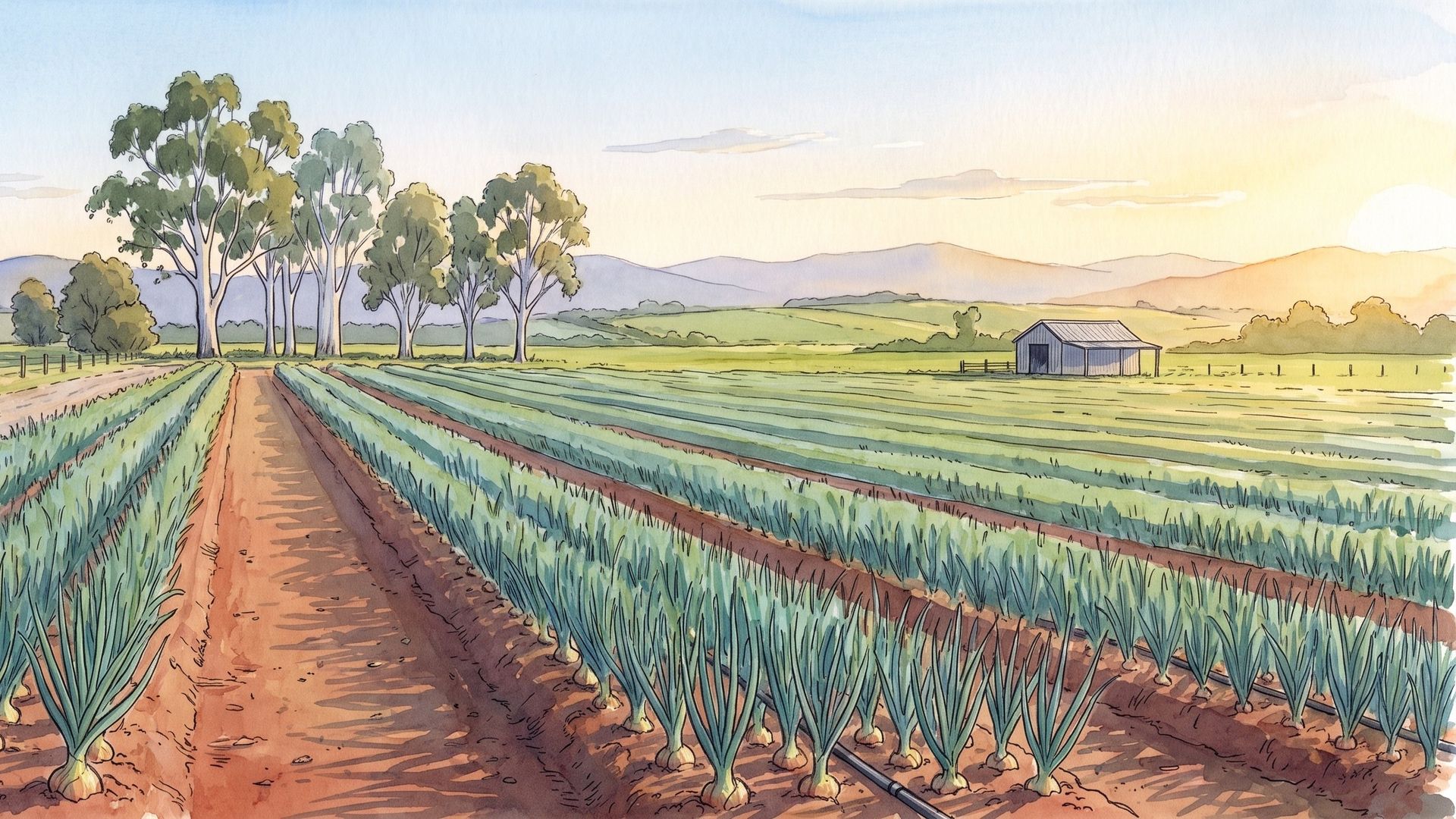
Devonport, 2–4 December
Learn to listen.
What the onion has been trying to tell you: Steve Martin’s talk at the onion industry’s conference, the gist of it, and a way to put it to work on your own onions.
From the talk
Your biggest yield loss happens before you can see the bulb.
Every mineral decision is a hormone decision.
Thrips are not a spray problem. They are a nutritional signal.
The problem
The ceiling is set early.
An onion builds its bulb in two goes. First it decides how many cells, and so how many rings, the bulb will have. Then each cell fills.
The first sets the most the bulb can be, and it closes weeks before there’s a bulb to see. The second only fills what’s already there. Feed the second before the first is done, and the rings you lost don’t come back.
That’s why the talk spends its time on the stages, and on one mineral in particular: potassium, which fills cells, and is at its most costly when it goes on before calcium has built them.

The answer
Five stages, not a calendar.
Steve calls them the critical stages of influence. Each one asks for something different, and each one shuts. These are his for onions, and the days run from sowing.
-
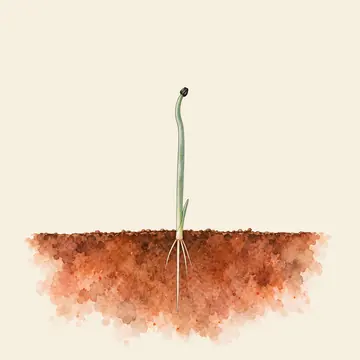
CSI 1 Days 0–20
Root establishment
“Build the cytokinin factory before anything else.”
-
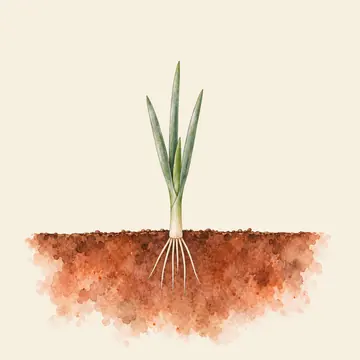
CSI 2 Days 20–50
Vegetative structure
“Build a dense, disease-resistant leaf base. Quality over speed.”
-
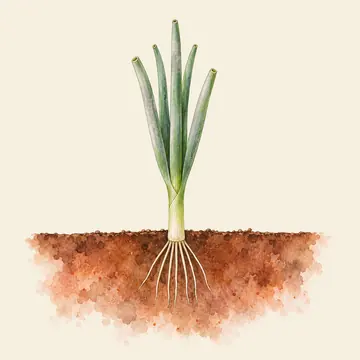
CSI 3 Days 50–80
Canopy development
“Bank the maximum number of healthy green leaves.”
-
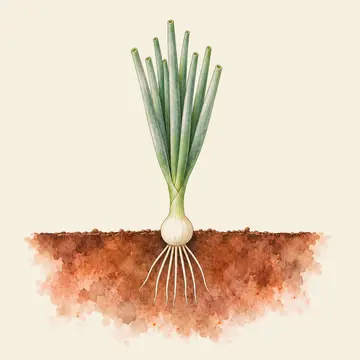
CSI 4 Days 80–120
Bulb initiation and cell division
“The plant decides how many cells the bulb will contain. This is the yield ceiling.”
-
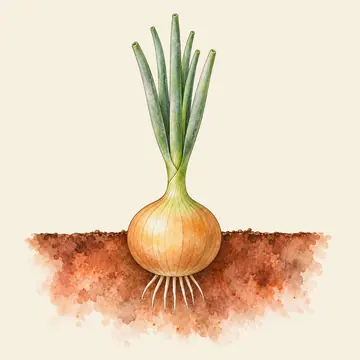
CSI 5 Days 120–180
Bulb fill and maturation
“Now potassium is earned. The cell-division window is closed.”
“If the bulb is below 4 cm, potassium stays in the shed.”
The proof
The plant will tell you.
A sap test is how you hear it: the young leaves and the old ones sampled separately, and read together.
It shows whether the nitrogen in the plant has become protein, whether potassium is running ahead of calcium, and whether the growing point is still getting what it needs. In Steve’s words, “10–14 days before any visible symptom. That’s your window of opportunity.”
Try it on one block
Run the program on part of a block and grow the rest as you always have, then let the pack-shed figures decide. As Steve puts it: “Either way: leave a check strip. The best proof is the crop you grew yourself.”
Your onions
Plan your season around its stages.
The free program builder starts your onions from Steve’s own program: the five stages, what each one needs, and where a sap test goes. Change it to suit your farm, then print it for the shed wall.
Want Steve at your own field day? See his talks, or drop him a line about your onions.
His onion program is a book too. Ask for a copy.
You don’t have to take my word for it. The plant will tell you. Learn to listen.